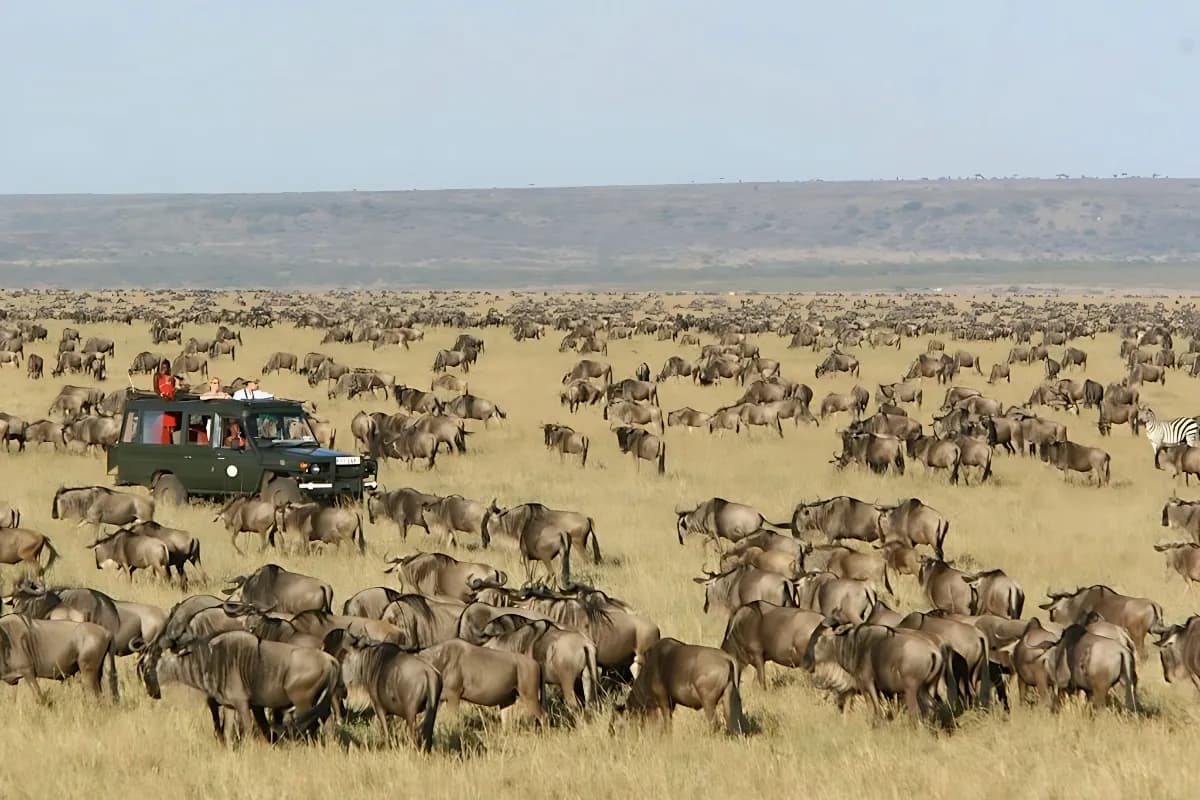
The well-known route
The Northern Circuit highlights · Seven to ten nights
The migration, the crater and the widest choice of camps. It is also where most visitors go, which is why the zone, the month and the camp matter so much.

Your Experiences
Nothing added yet — experiences you add from any page will appear here.
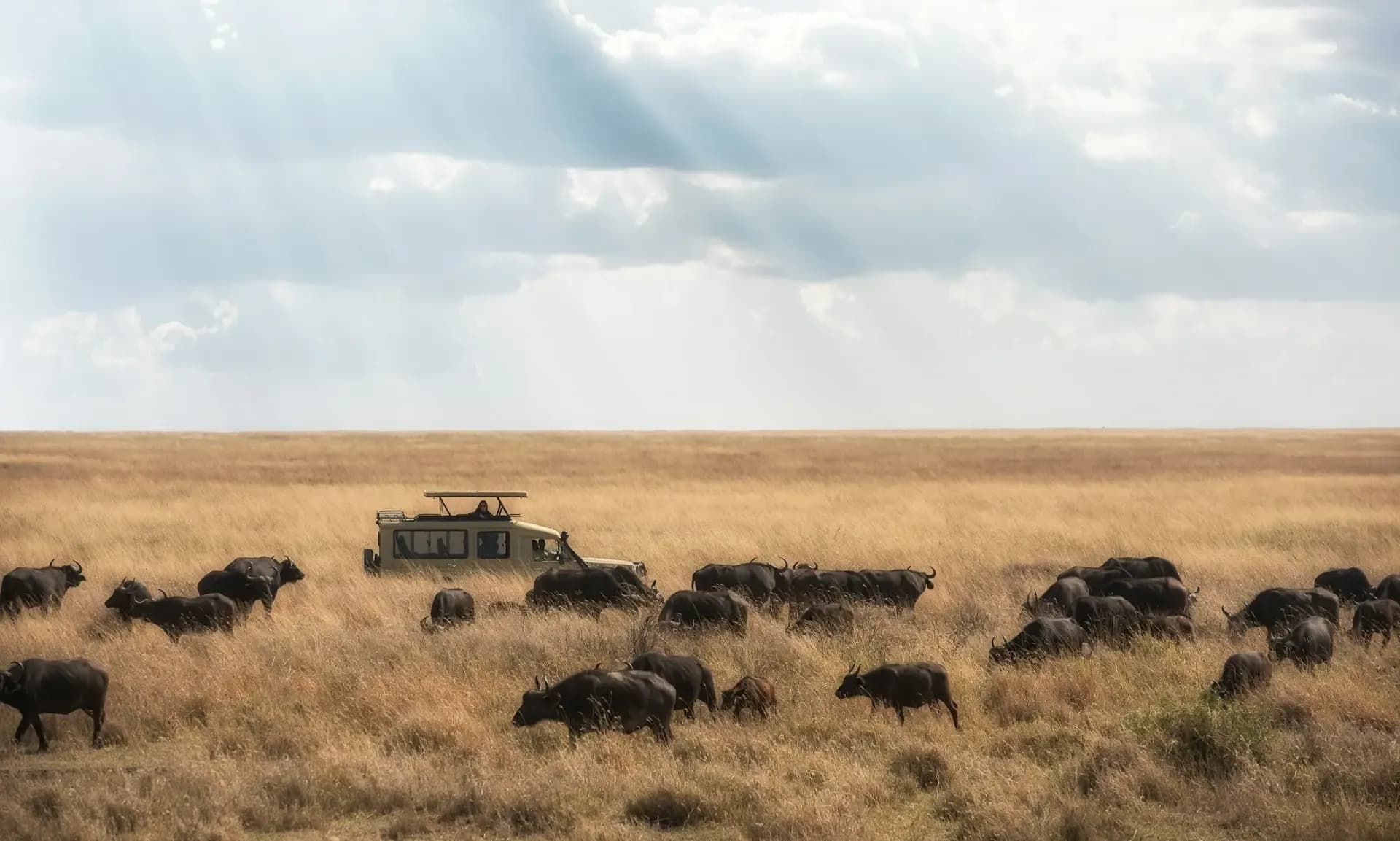
You decide when to talk and when to be quiet.
A completely private safari for one, with your own guide and vehicle, camps chosen with care, and no one else’s schedule.
First things first
Most people who travel alone are good at it. What worries them is the trip around them: dinner in a camp built for couples, being responsible for every decision, and not knowing who to call if something goes wrong.
Four answers shape everything else. We take them in this order, and we are honest about what each one costs.
Company
A solo safari with us is completely private. That does not mean you have no company. It means you choose how much.
One person with you through the day, who knows where to look and when to stay quiet. You decide when to talk.
In many small camps guests eat together. You can join in, or ask for a table of your own.
If you would like more company, our group departures are for that: groups of eight to twelve, four guests to a vehicle, and a window seat for each.
Why Tanzania
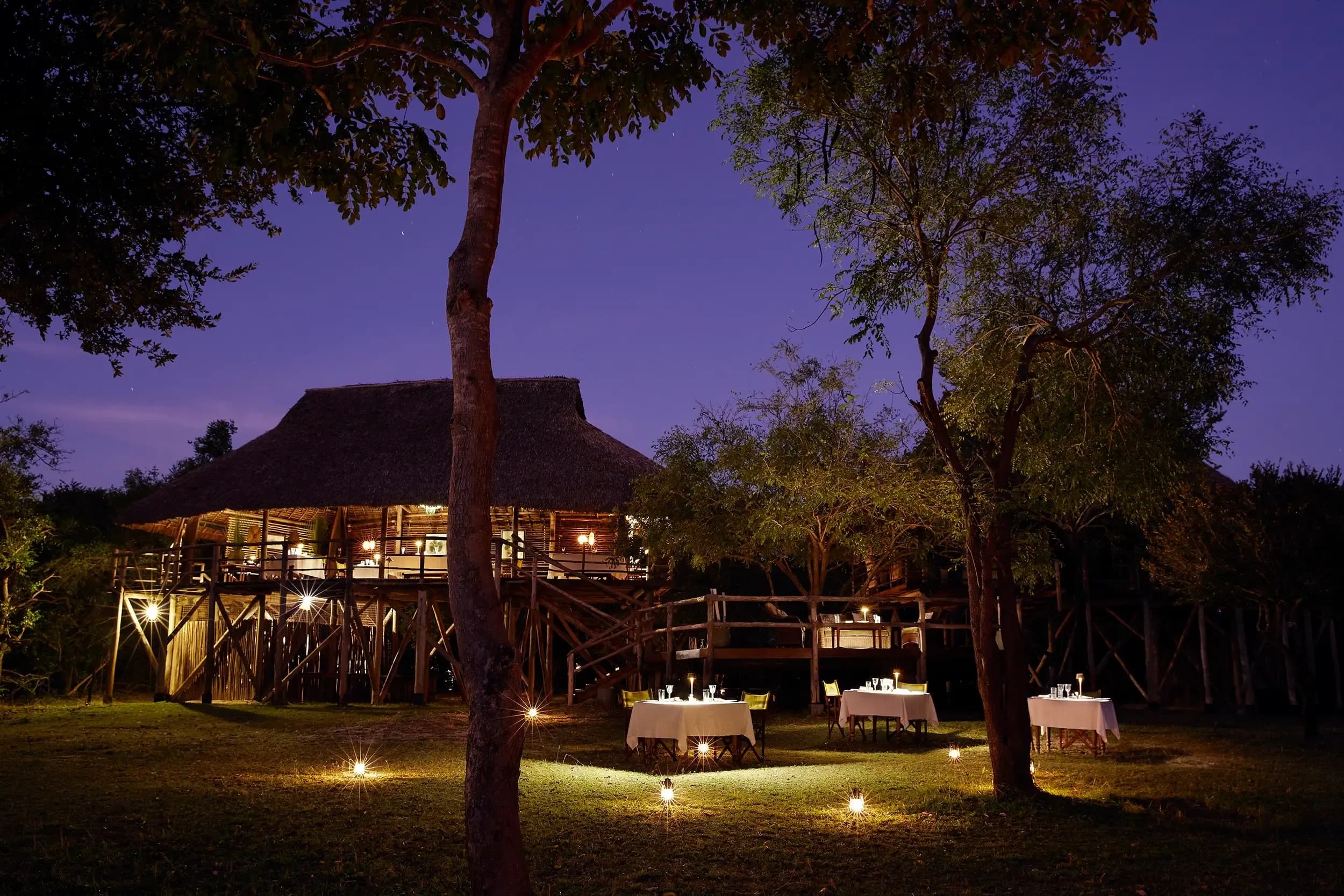
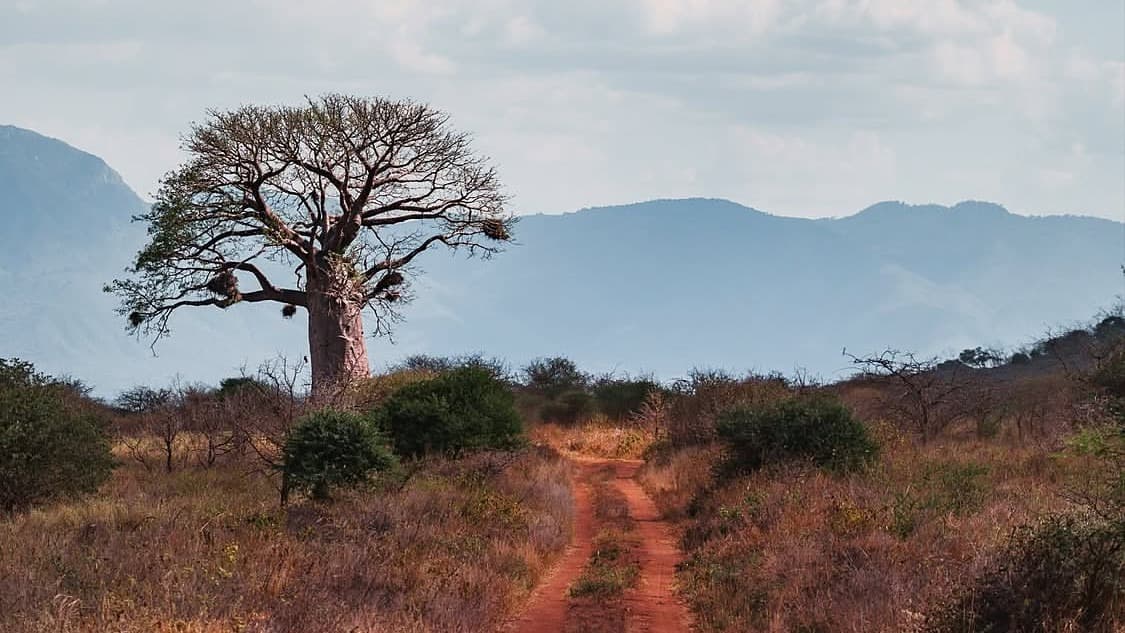
Tanzania has the range to make a trip for one feel full without feeling busy. There are the open plains of the Serengeti, the baobabs and elephants of Tarangire, the Ngorongoro Crater, the quieter south, and the coast at the end. A single team in Arusha plans every piece, so it all fits.
Leopards are solitary animals, and mostly active at night. By day, along the Seronera River in the central Serengeti, you may find one stretched along a branch, half asleep, entirely at ease. A leopard has its territory, its routine and its tree, and nothing else seems to be missing.
A solo safari lets you travel like that for a week: with your own routine, your own pace, and one person, your guide, who knows where to look.
The shape of it
Solo travellers tend to settle on one of three shapes. Each one can finish on the coast.
The Northern Circuit highlights · Seven to ten nights
The migration, the crater and the widest choice of camps. It is also where most visitors go, which is why the zone, the month and the camp matter so much.
Ruaha and Nyerere · Seven to ten nights
Fewer vehicles and more time on foot or on the water, with fly-camping at some camps. Mostly fly-in, and best in the dry season.
Kilimanjaro, then a safari
Solo climbers are welcome. We run every route and recommend eight days or more, and then a few days on safari while your legs recover.
The Northern Circuit in detail →The Southern Circuit in detail →Read about climbing Kilimanjaro →
A day, usually
Nothing is fixed except the sun. This is a shape that tends to work for one.
Breakfast when you are ready. A dawn start and a full day out is not our standard pace, so ask your guide if you want one.
It is your vehicle, so you decide. Stay an hour with one animal or move on after five minutes. Talk, or don’t.
Back at camp for lunch and a rest. A book, a notebook, a long shower.
A second drive, a walk where the camp allows it, or the deck.
Dinner with the other guests if you feel like company, or a table of your own if you don’t.
Safety
Safety is our priority, and we would rather you asked us hard questions than guessed. Women and men both travel alone with us, and the same things matter to both.
Nobody shares your vehicle, and your guide is with you through the day.
Every guest must have it before they travel.
We check how a camp keeps guests safe at night and how far the nearest medical help is, and we tell you.
We use both a closed 4x4 with a pop-up roof and an open-sided vehicle. Tell us which you prefer, and we will explain the difference for the day and the place.
We cannot make a safari risk-free. Wild animals, rough roads and remote places are part of it, and we will be straight with you about where the risks lie.
Plane or road
Between camps you can fly or drive. Travelling alone changes two things: who is on the plane, and who pays for it.
| Factor | Fly in, by light aircraft | Overland, with your own guide |
|---|---|---|
| Time | Roughly sixty minutes by air from Arusha to the Serengeti. | The best part of a day on the road to the central Serengeti. |
| Company | A scheduled flight carries other passengers. A private charter is yours alone. | A private vehicle and your own guide, all the way. |
| Luggage | Light aircraft usually allow 15 kg per person, soft bags only, hand luggage included. Check your airline, because some allow more. | A soft bag and a day bag, with nothing to weigh. |
| Who pays | Flights are an added cost, higher again on a private charter, and travelling alone means you carry all of it. | No flight costs, since the vehicle and guide are already part of the plan. |
| Suits | The Serengeti, the south and the coast, or any trip short on days. | The first leg, Tarangire and the crater, and the countryside between the parks. |
A common pattern for one traveller: drive the short first leg to Tarangire and the crater, then fly on.
Where you sleep
Not every camp is built for one guest, and the best ones do not make you feel like the odd one out. This is what we check before we suggest a camp.
Whether the camp is happy with guests travelling alone, and has a tent or room for one.
Whether dinner is a shared table, your own, or both, and how the camp handles it.
How the camp keeps guests safe after dark, and how you are escorted around it.
How far away medical help is, and how the camp would cope in an emergency.
Your days
Optional extras, and one thing we always include: time with nothing booked.
Balloons launch at dawn from sites including Seronera, float for about an hour and land for breakfast in the bush. A basket usually carries several guests, which suits an hour of company.
An armed ranger leads walks wherever the camp or reserve permits them. In the south walking is routine, while inside the Serengeti it is limited to a few wilderness areas.
Boat safaris on the lakes and the Rufiji at Nyerere, with hippo and crocodile in the water and elephant at the edge.
Tanzania has more than a thousand bird species recorded. If you have a particular interest, tell us, and we plan the days around it.
Night drives are for private reserves only, because the national park forbids them.
One morning, at least, with nothing planned. Read, write or just sit. The animals will manage without you.
A guide can improve your chances of a sighting but never guarantee one. What we can do is be in the right place at the right hour.
Safety is our priority. You have your own guide and vehicle, every guest must have premium travel insurance, and we check how each camp keeps guests safe at night and how far the nearest medical help is, and tell you. We cannot make a safari risk-free, and we will be straight with you about where the risks lie.
Women and men both travel alone with us. You have your own guide and vehicle, so you are never sharing a vehicle with strangers, and we choose camps with solo guests in mind. Tell us what would make you comfortable, and we will plan around it.
You have your guide with you through the day, and in many camps guests eat together, so company is there when you want it. A solo safari with us is always private. If you would rather travel with other people, our group departures are for that.
Yes. A solo safari with us is private. If you would rather travel with others, our group departures are for that: groups of eight to twelve, four guests to a vehicle, and a window seat for each.
Travelling alone usually costs more per person than sharing, because the guide, the vehicle and often the room are not split. We show you where the extra cost sits and where you can bring it down.
Solo climbers are welcome. We run every route and recommend eight days or more, because extra days help your body adjust. Our team will talk through the options with you.
Seven to ten days is a good start. Longer if you want to add the south, the coast or a climb. Three nights in one camp is about when a place starts to feel familiar.
Rather than a best month, think of a best place for each month. In July to October the ground is dry and the herds are in the northern Serengeti. Calving fills the southern plains from January to March. April and May bring green, quiet days and some closed camps. Give us your dates and we will choose.
Nine to twelve months ahead is ideal for July to October, when the small camps fill first. If your dates are closer, ask. We will tell you what is open and what we would do with it.
Premium travel insurance is required for every guest before they travel. For malaria and vaccinations, talk to your doctor or a travel clinic well in advance.
How it works
Camps and roads are our job. A month and a mood will do. Travelling soon? Tell us your dates and we will see what is open.
Who we are
We are a Tanzanian company with an office in Arusha. Whoever replies to you lives here and knows these places and their seasons.
A Tanzanian-owned company in Arusha, founded in December 2021.
Ninety per cent of it is local.
We fund ten girls’ schooling every year.
What it costs
Travelling alone usually costs more per person than sharing, because the guide, the vehicle and often the room are not split. Several things push the cost up or down: the time of year, the camps, flights between them (a private charter costs more), how long you stay, and private reserve against national park.
Where a route has a price, it is shown. For anything else, tell us your budget and we will map where the extra cost of travelling alone sits, what you could trade to bring it down, and where your money matters most. The aim is to spend where you will feel it.
Every route lists what is covered and what is extra, so a comparison with any other quote is straightforward.
When to go
Dates are approximate, because the herds go where the rain goes.
| Months | On safari | On the coast | For one |
|---|---|---|---|
| January to March | Calving on the southern plains, peaking around February. Green and warm, with the odd shower. | Hot and mostly dry, with some seaweed on east-coast beaches in the north-east wind. | Young animals, and a warm sea at the end. |
| April and May | Heavy rain, green country and few visitors, with some camps closed. | The wettest months, especially April. Plenty of east-coast hotels close for the season. | Best for a flexible plan. |
| June to October | The dry season and the busiest time, with the herds in the northern Serengeti from July. | Reliable weather, with a steady south-east wind along the east coast. | Nine to twelve months ahead is ideal for July to October. Closer dates are worth asking about. |
| November and December | The short rains, and the herds begin to head south. | Warm and humid, and crowded over the festive weeks. | A calmer safari, though the coast gets busy at Christmas. |
Where the herds are, month by month →.
A month, what you most want to see, and how you like to travel: that is enough to begin.
Begin the conversation+255 753 744 283 · hello@easguides.travel