+255 753 744 283 | Mon–Fri 8:30AM–5PM · Sat 9AM–4PM EAT
EAST AFRICA · EST. 2021

Your Experiences

Nothing added yet — experiences you add from any page will appear here.

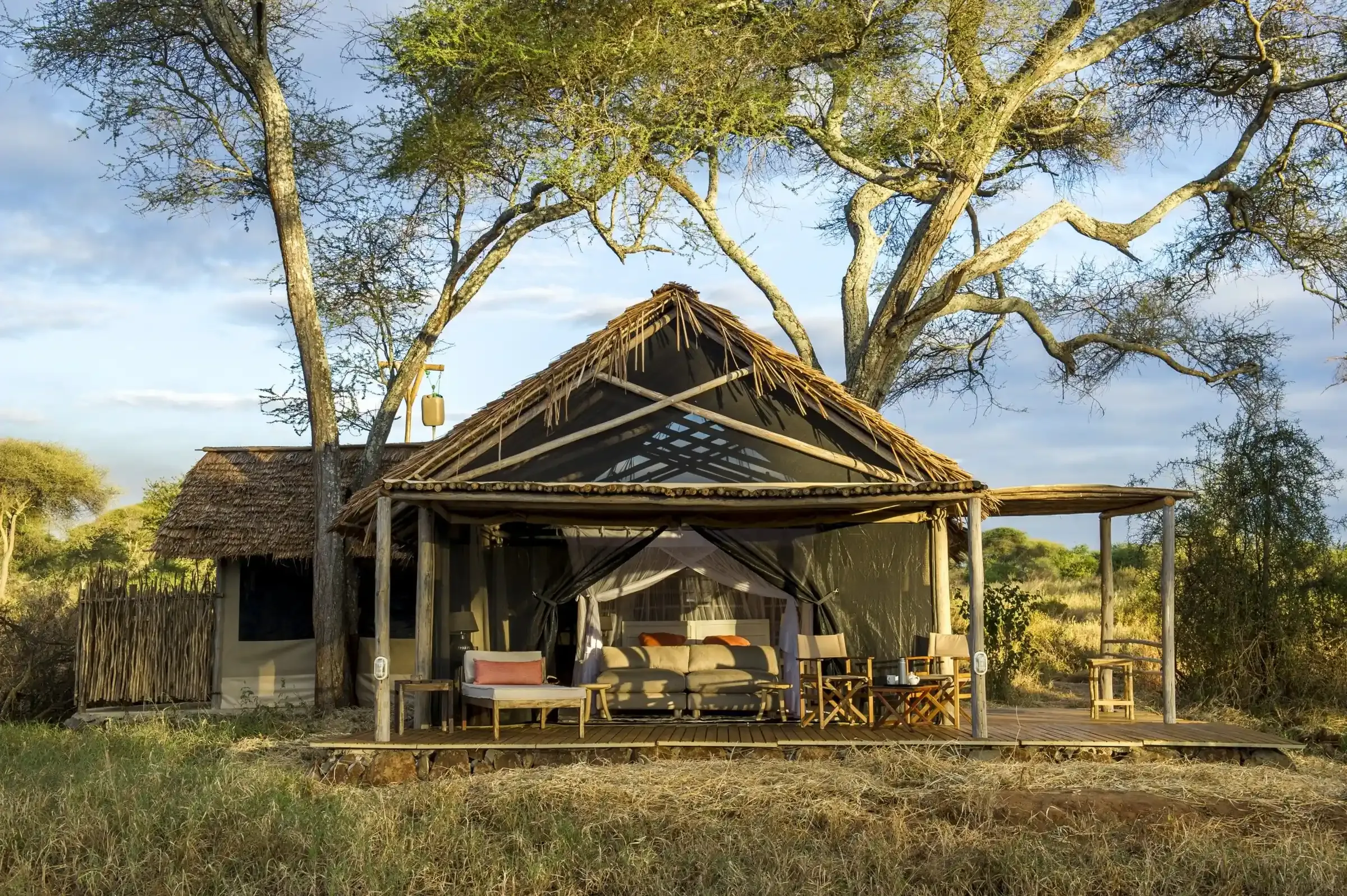
A thatched safari tent with a timber deck and lounge, lit by evening sun beneath acacia trees in Tarangire National Park

Tanzania · Circuit 01

The Northern Circuit

The Serengeti, the crater, and the mountain above them all.

The circuit

The Northern Circuit, read slowly

If you have a picture of an African safari in your head, it was probably taken here. The Northern Circuit runs west from Arusha through Tarangire and Lake Manyara, up onto the rim of the Ngorongoro Crater and out across the Serengeti. Kilimanjaro watches the whole thing from the east.

Most visitors try to cover it in a week, sleeping somewhere new each night. We would rather you chose three or four places and gave each one time. The animals keep no schedule, and the best sightings tend to come to the people still sitting there after everyone else has driven on.

Continue readingShow less

Beyond the famous names

The circuit is wider than the classic loop. Mkomazi, on the Kenyan border, is one of the most underrated parks in the country: dry, quiet, and home to a black rhino sanctuary and a wild dog breeding programme. North of the crater, Lake Natron lies under an active volcano, and it is the one place in East Africa where lesser flamingos breed in their millions. Kilimanjaro is more than a view, too. Climbing it, then resting your legs on safari, is one of the best ways we know to spend two weeks in Tanzania.

How we plan it

Three nights to a camp. Early starts timed to the light, not to a transfer. A private vehicle, and a guide who grew up here and knows when to switch off the engine and wait. We call it Depth over Distance, and on a circuit this rich it matters more than anywhere.

Best months
June to October for dry-season game. December to March for calving in the southern Serengeti.
Getting there
Fly into Kilimanjaro International Airport. Arusha is about an hour by road.
How long
Seven nights at the very least. Nine to twelve to do it properly.
Pairs well with
A Kilimanjaro climb before, or Zanzibar and the private islands after.

Destinations

Every destination on the Northern Circuit

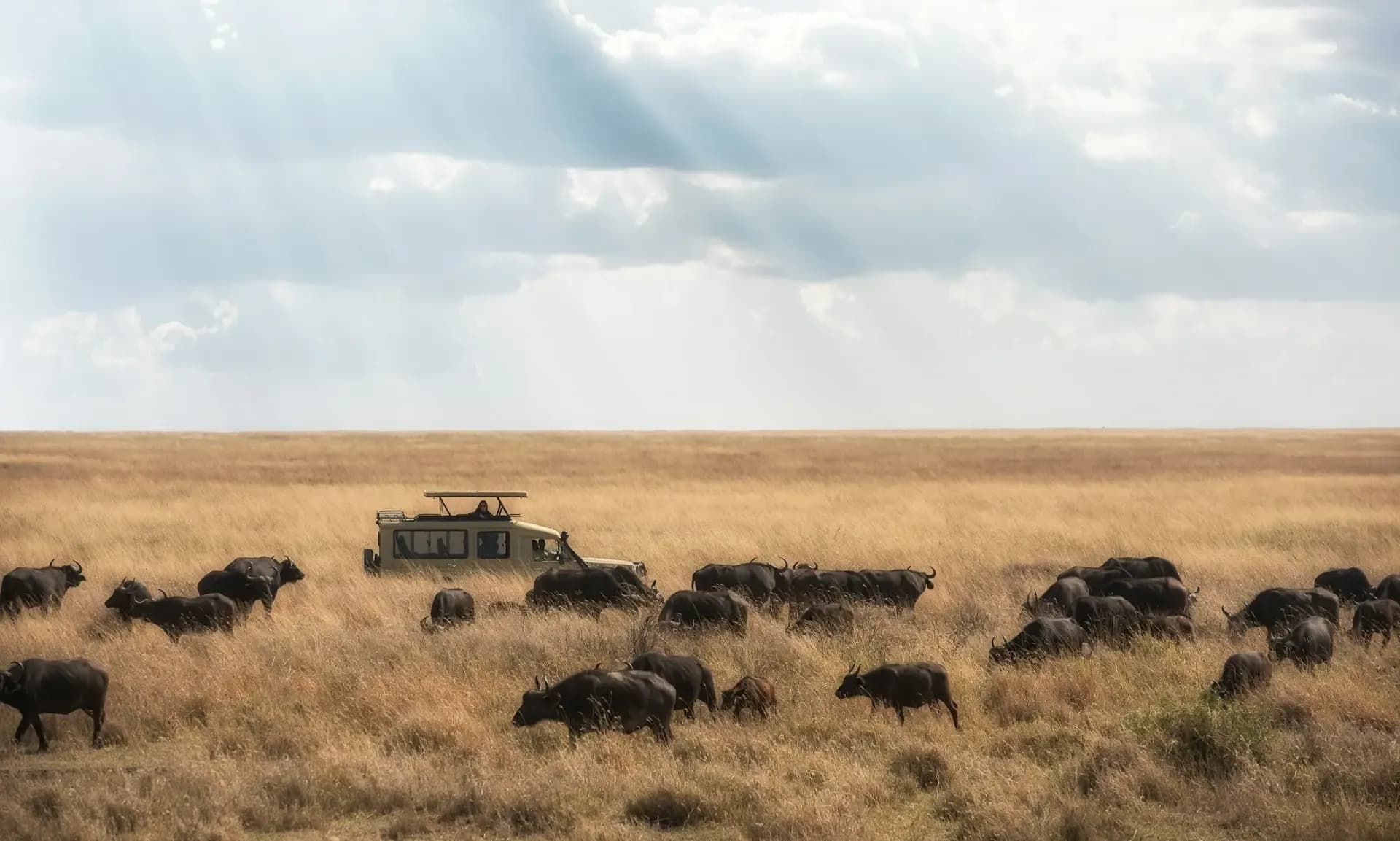
A safari vehicle parked among a large herd of grazing animals on open golden grassland under a cloudy sky

The migration’s home ground · All year, zone by zone

Serengeti National Park

The Serengeti is not one place. It is a long run of grass, granite kopjes and river country, and the herds move through it in a loop that takes the whole year. Where you should stay depends entirely on the month.

Get the zone right and the Serengeti is everything people say it is. Get it wrong and you spend your days driving to find the action. These are the five zones we plan around.

Read the Serengeti guide →
The Serengeti, zone by zone

Match the zone to your month and the Serengeti comes to you. See where the herds are now.

Best December to March

Southern Serengeti

Ndutu and Kusini

Calving season. The herds gather on the short-grass plains and give birth over a few weeks, and the predators follow close behind. This is cheetah country. Much of the Ndutu area lies inside the Ngorongoro Conservation Area, where driving off-road is allowed.

Best All year

Central Serengeti

Seronera

The Seronera River valley holds water and resident game through the year, which makes it the most dependable area for lion and leopard. It is also the busiest part of the park, so timing matters. We head out early and go where the vehicles are not.

Best May to July

Western Serengeti

The Western Corridor and Grumeti

As the dry season starts, the herds push west along the Grumeti River, and the crossings here come with some very large crocodiles. Beyond the park boundary lies the Grumeti Private Reserve, where night drives and guided walks are allowed.

Where we stay

Singita Sasakwa LodgeSingita Faru Faru Lodge

Best July to October

Northern Serengeti

Kogatende, Lamai and the Mara River

The Mara River crossings: thousands of wildebeest bunching on the bank, hesitating, then going all at once. Come February the north empties out and the rates soften, which suits guests who would rather have the river country to themselves.

Best December to March

Eastern Serengeti

Namiri Plains and the Gol Kopjes

Open short-grass plains and granite outcrops far from the central roads, known for cheetah and lion. Few camps, few vehicles, and long views in every direction. For photographers, it is often the highlight.

Where we stay

Explore more of our camps

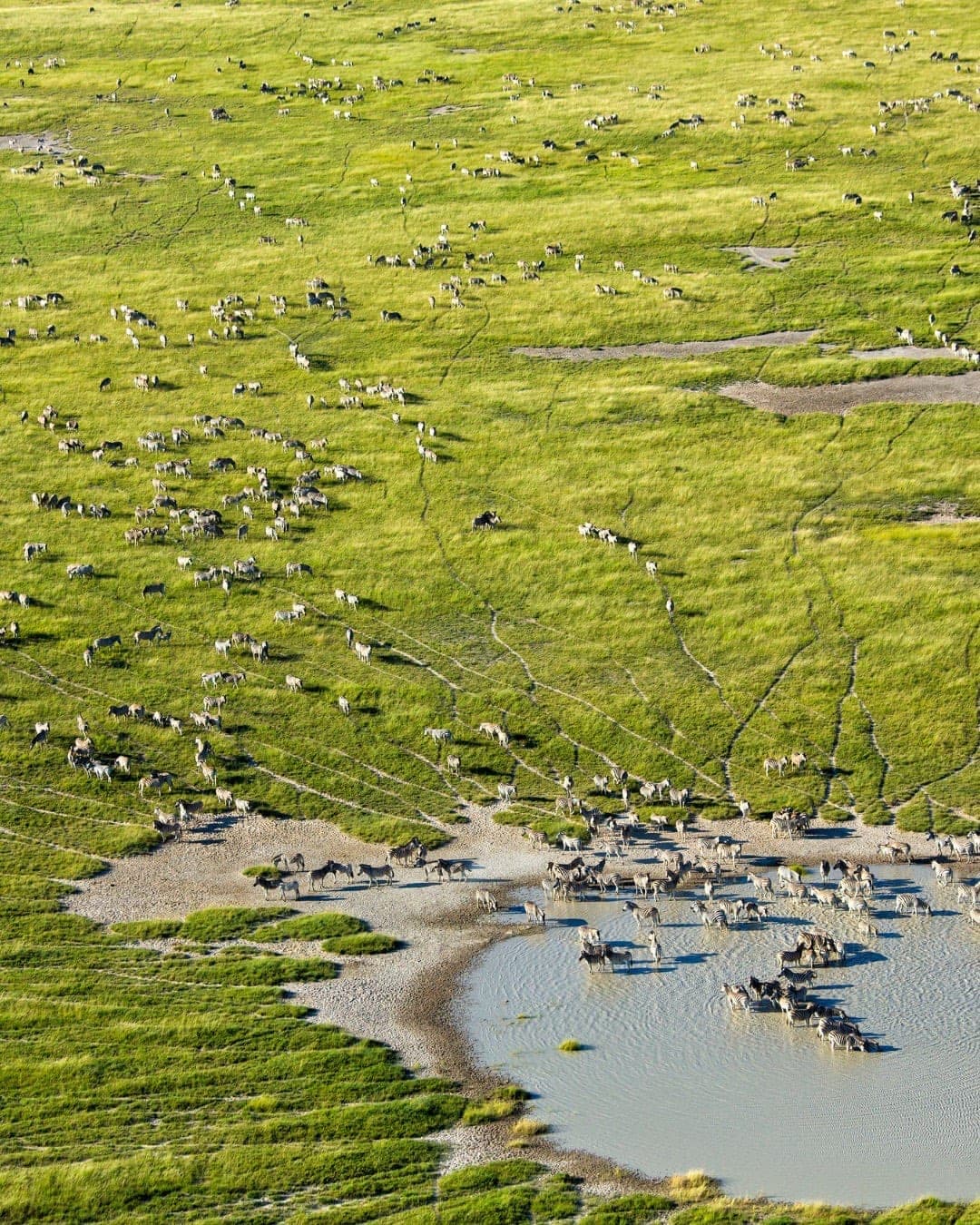
Aerial view of zebra and wildebeest herds scattered across green plains, with animals gathered at a shallow pool

The crater, Olduvai and the highlands · All year

Ngorongoro Conservation Area

From the rim, the crater floor looks like a model of Africa: grassland, a soda lake, a patch of forest, and dark specks that turn out to be buffalo. It is one of the few places in northern Tanzania where black rhino are seen with any regularity.

The crater fills with vehicles by mid-morning, so we go down at gate opening and have the first hours largely to ourselves. Beyond the crater, the conservation area takes in Olduvai Gorge, Empakaai’s crater lake and highland grazing where Maasai herders still move their cattle.

Read the Ngorongoro guide →
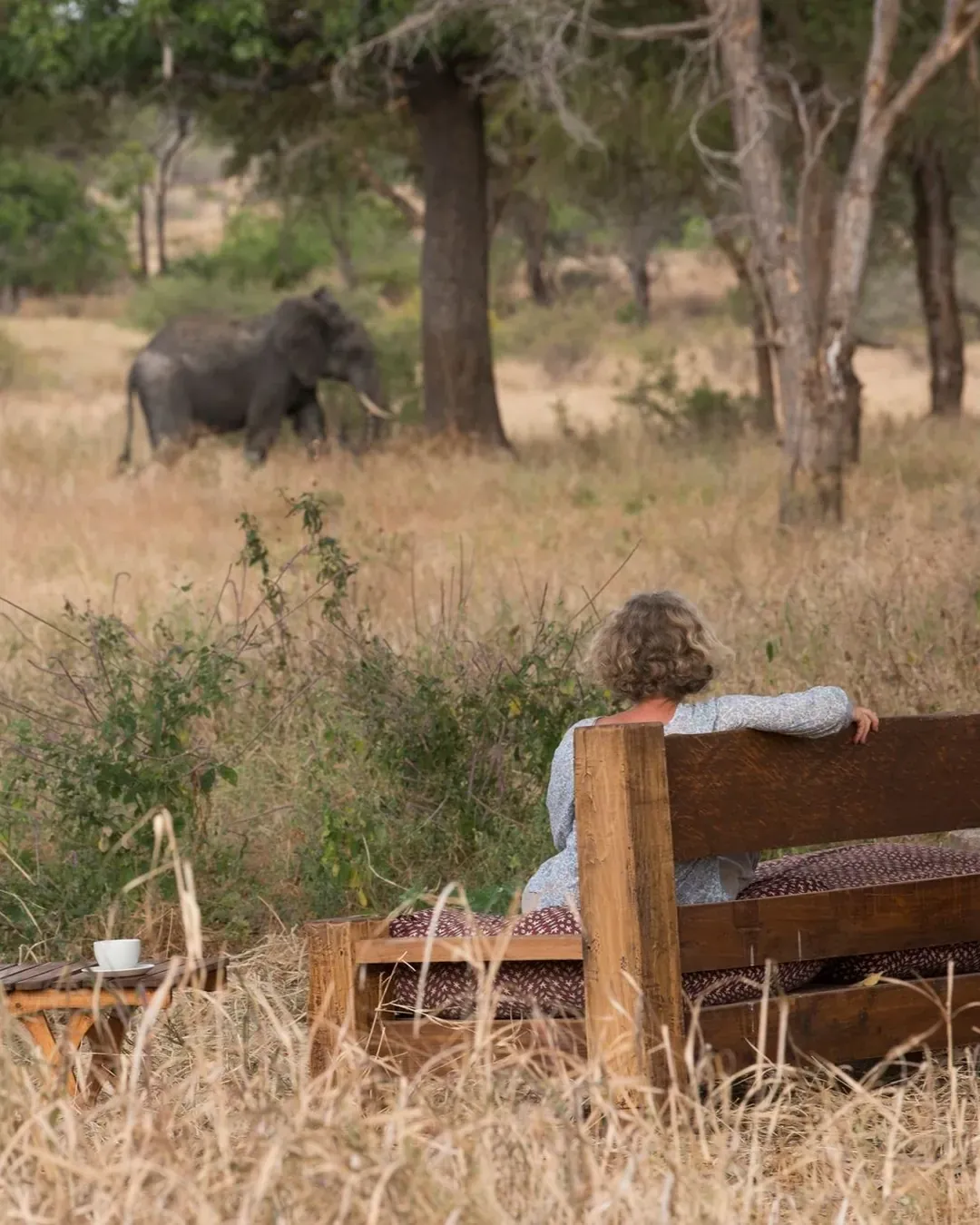
A guest sits on a wooden bench in tall dry grass at a Tarangire camp, watching an elephant walk through the acacia trees

Elephants and baobabs · June to October

Tarangire National Park

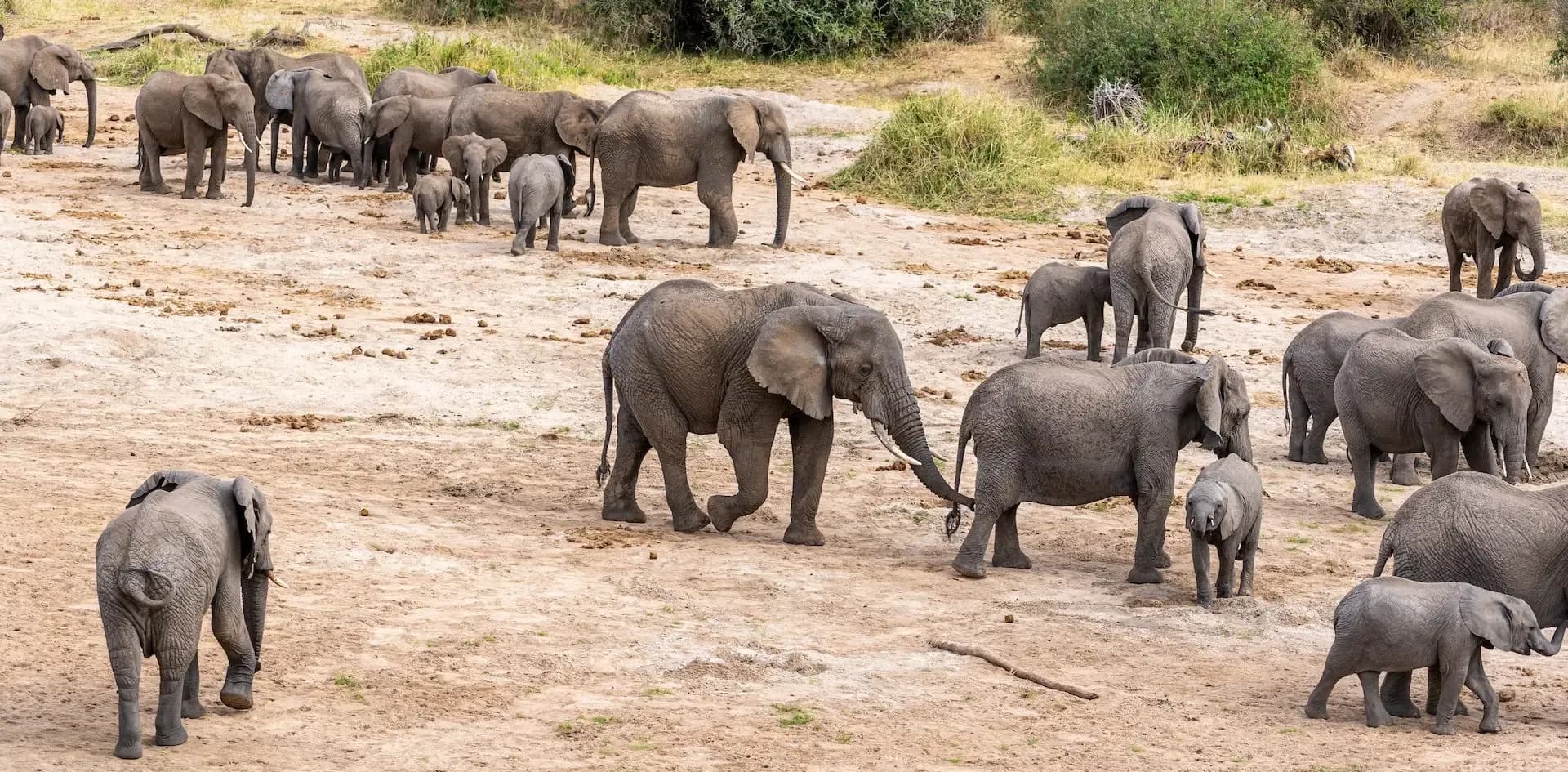
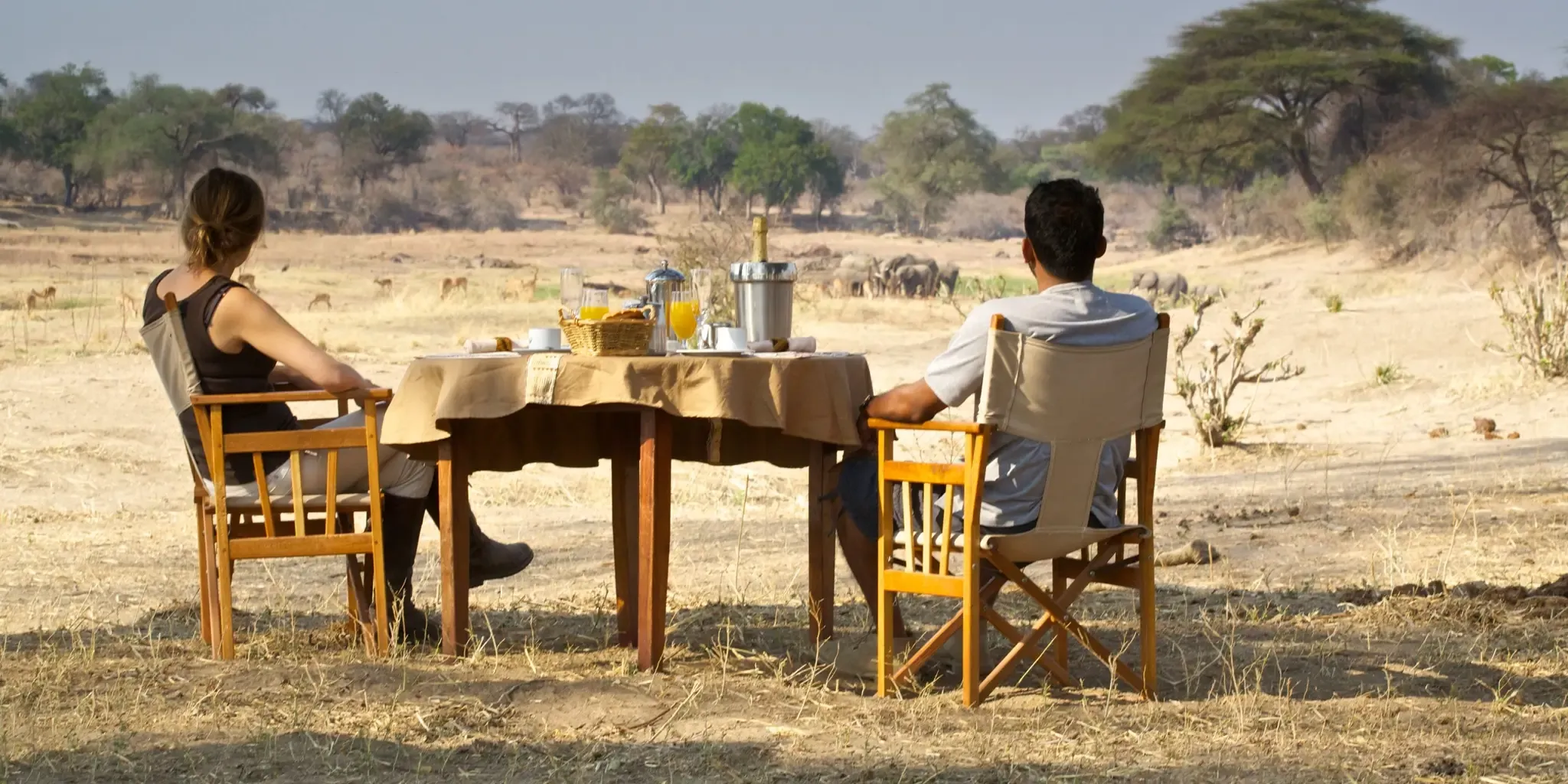
In the dry months the Tarangire River is the only dependable water for miles, and the elephants come down to it in large family herds. Old baobabs stand over the whole scene, some of them hollowed and scarred by generations of tusks.

It is close enough to Arusha to begin or end a trip, and quiet enough that we often suggest more time here than people expect. Walking and night drives are possible from camps on its edges.

Read the Tarangire guide →
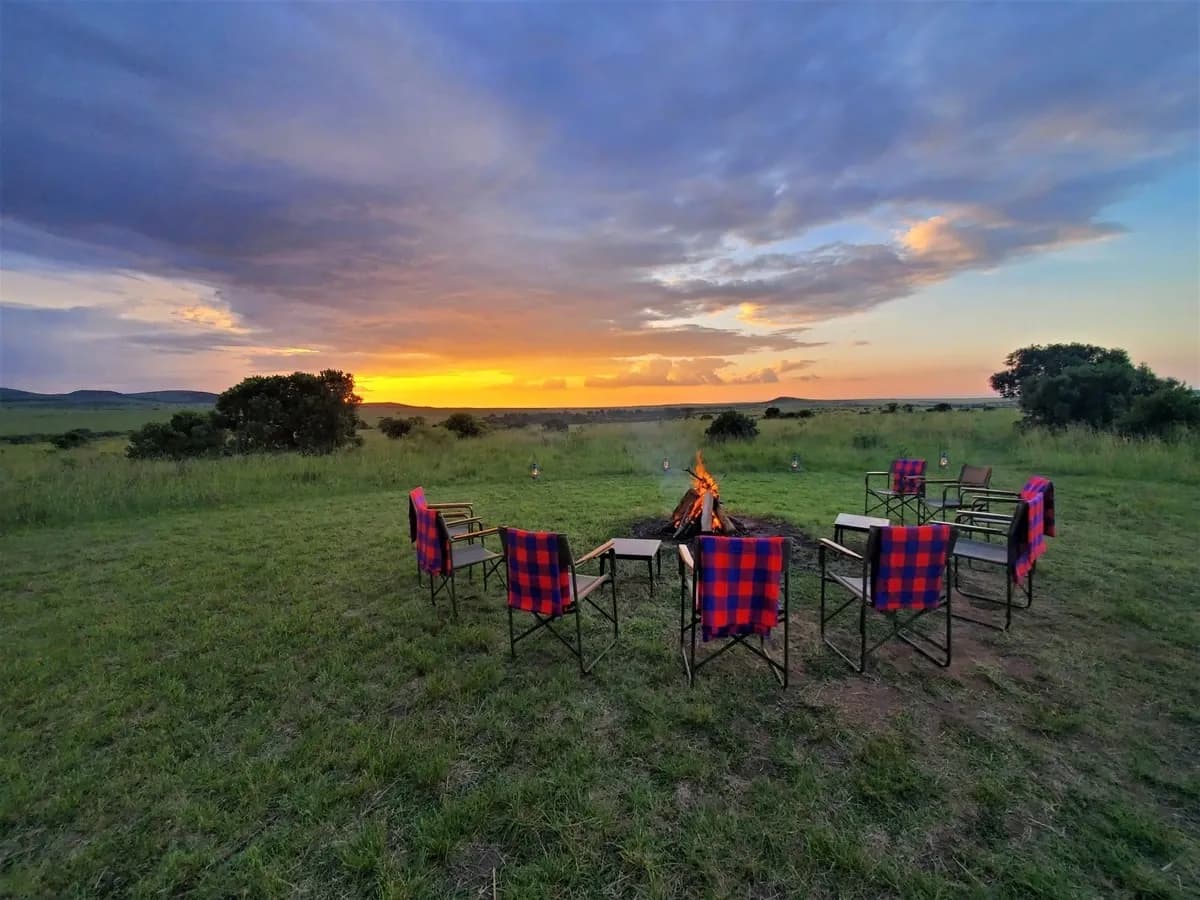
Folding camp chairs around a fire pit on open grassland under a sunset sky

Forest, flamingos and the Rift wall · All year

Lake Manyara National Park

A narrow park pressed between the Rift Valley escarpment and a shallow soda lake. You drive in through groundwater forest busy with baboons and blue monkeys, then out onto the open shore, where flamingos gather in some seasons.

Manyara’s lions are known for climbing trees, though they don’t do it on request. Half a day is enough for many guests. A night or two on its edge, in the Burunge area, is better.

Read the Lake Manyara guide →
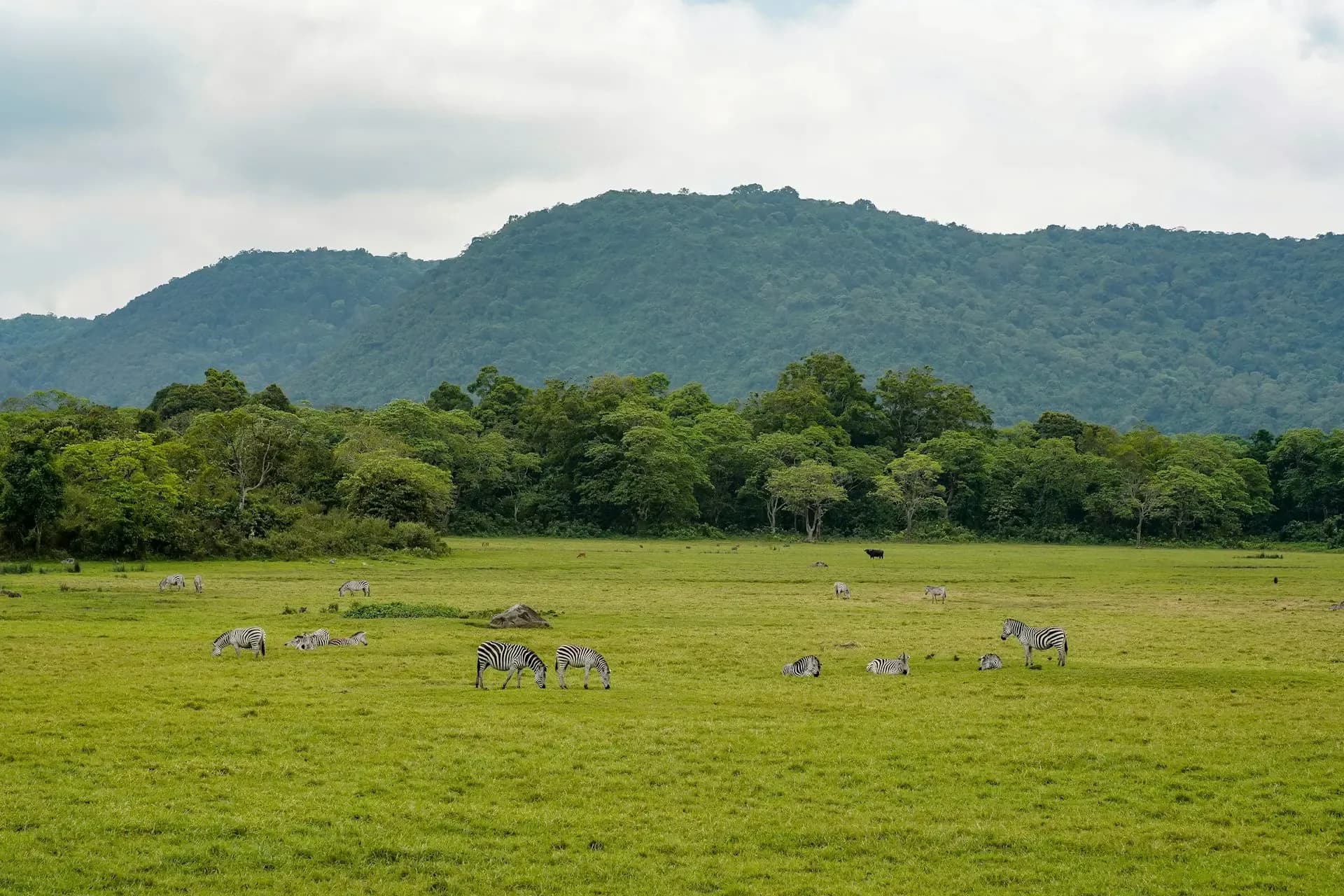
Zebra grazing on the green floor of Arusha National Park, with forested hills behind

Mount Meru on foot · All year

Arusha National Park

The park most visitors drive past on the way to somewhere else, which is their loss. It climbs from the Momella Lakes up the slopes of Mount Meru, with giraffe and buffalo in the glades and black-and-white colobus in the forest.

With no lions to plan around, it is one of the best places in the north to walk with an armed ranger. A gentle first afternoon after the long flight, before the big parks.

Read the Arusha National Park guide →
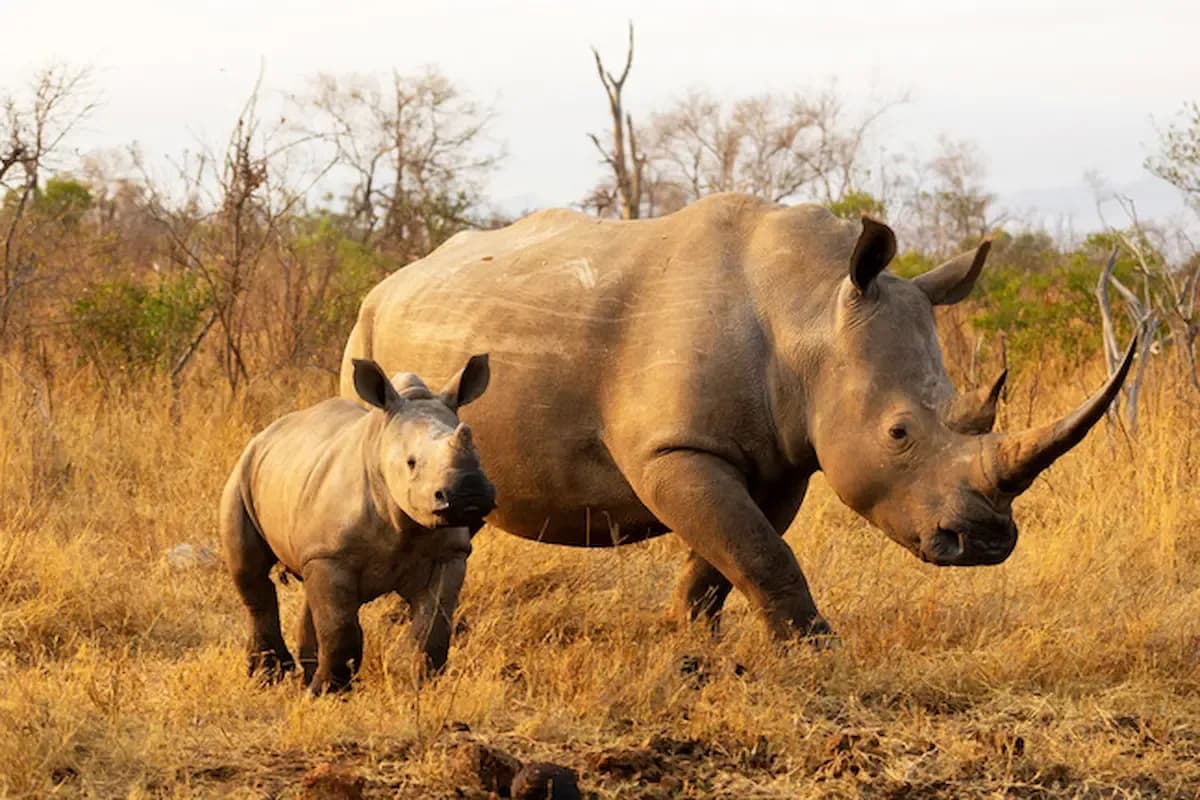
A black rhino and her calf standing in dry golden grass

The most underrated park in Tanzania · Dry season

Mkomazi National Park

Mkomazi lies along the Kenyan border, where it runs straight into Tsavo West, with the Pare and Usambara mountains rising behind it. It is dry country of baobab, thornbush and rocky hills, closer in feel to northern Kenya than to the Serengeti, with gerenuk and lesser kudu among the dry-country antelope.

Its real story is conservation. Black rhino were brought back here and live under guard in a sanctuary inside the park, and a breeding programme has returned African wild dogs to the wild. Very few visitors come. That is exactly why we like it.

Ask us about Mkomazi →
A herd of elephants with calves walking across a dry sandy riverbed

Flamingos under a volcano · Cooler June to August

Lake Natron

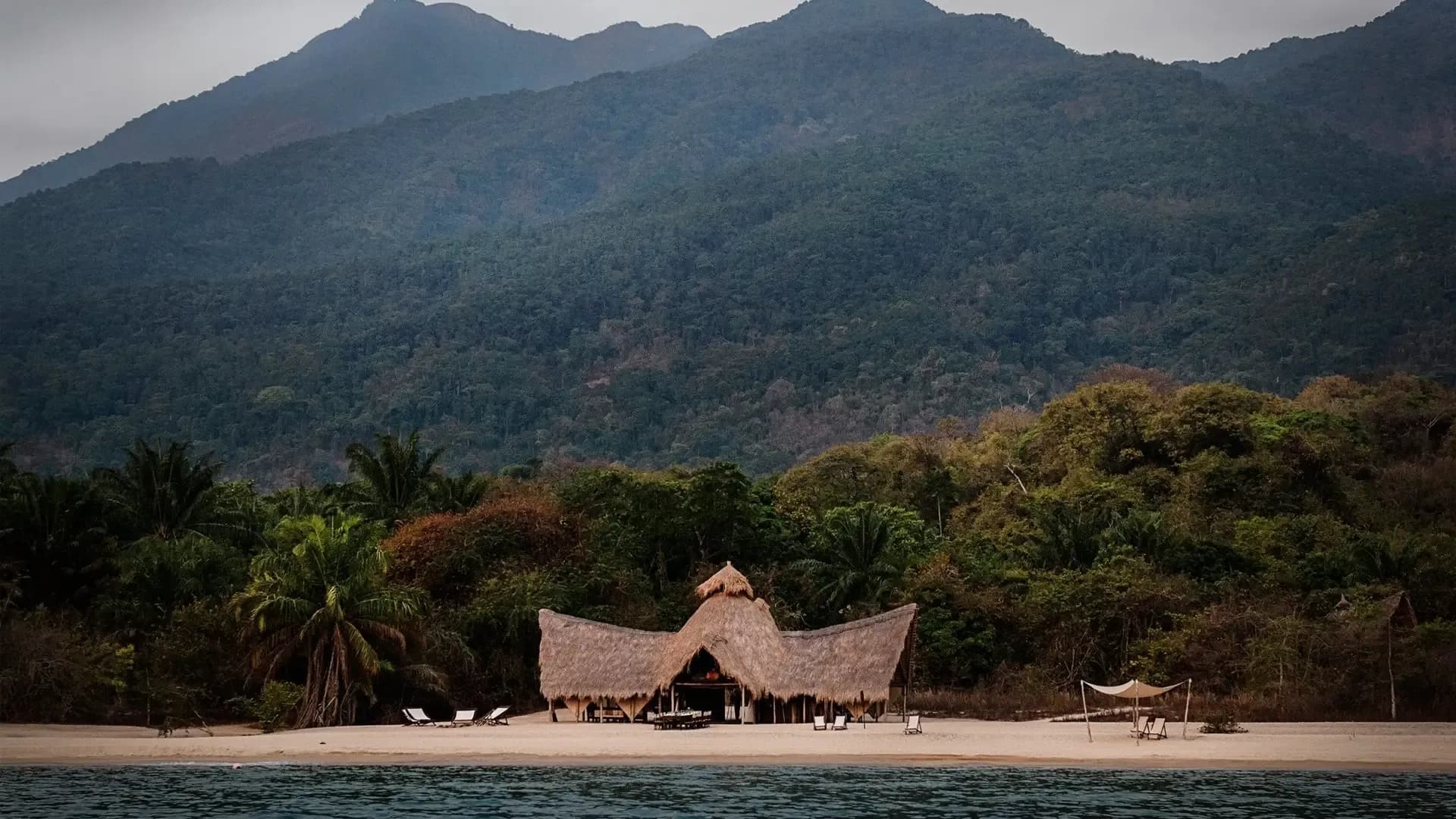
A soda lake in the floor of the Rift Valley, so caustic that little else can live in it, which is why it is the one place in East Africa where lesser flamingos breed in safety. Ol Doinyo Lengai, the Maasai “Mountain of God” and an active volcano, rises over the southern shore.

Climbers set off around midnight to reach the rim at sunrise. If that sounds like too much, walk the Engare Sero gorge to a waterfall pool, or see human footprints pressed into volcanic ash thousands of years ago. A rough road links Natron with the Serengeti’s north-eastern edge in about half a day.

Ask us about Lake Natron →
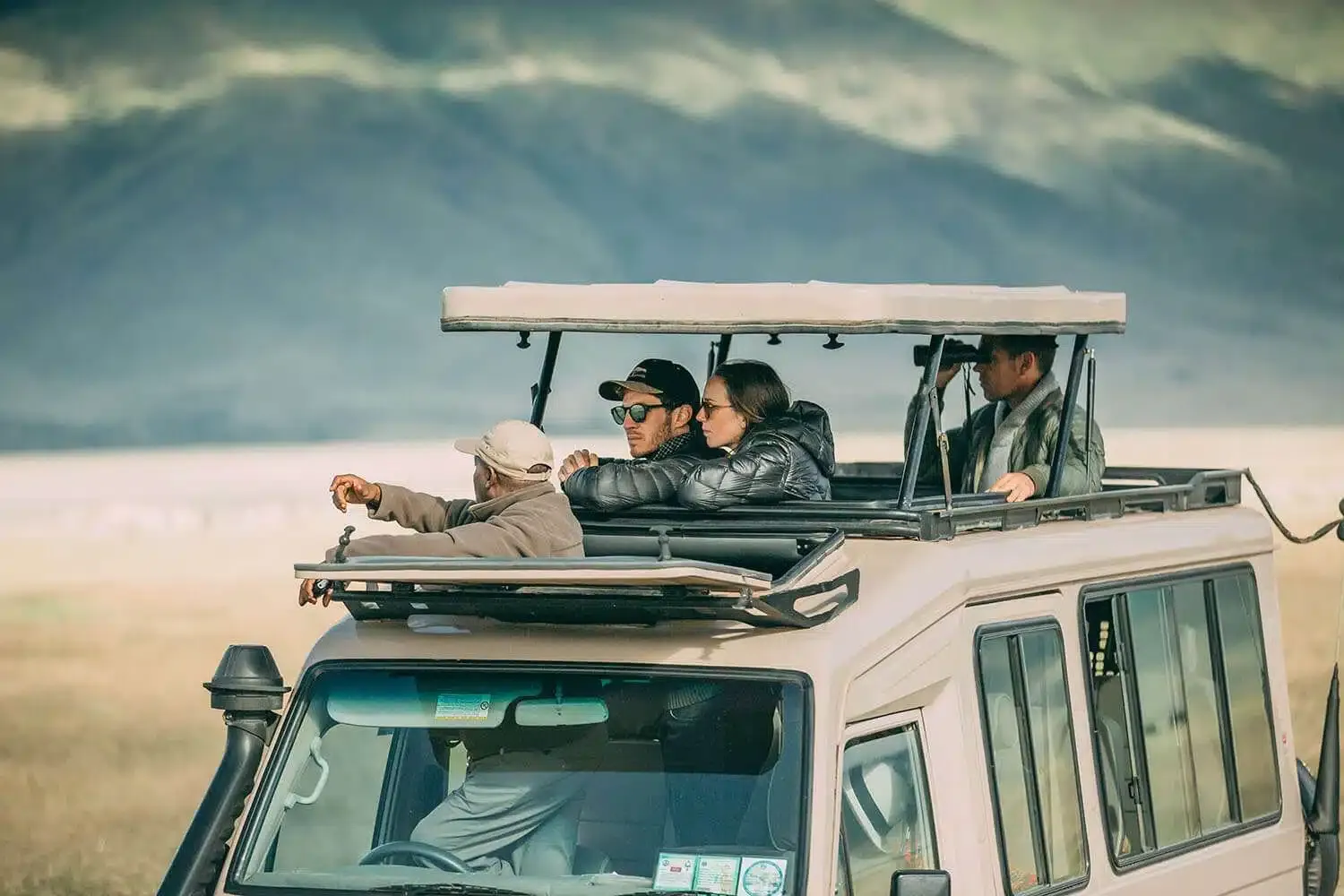
Guests in an open-roof safari vehicle looking out across open grassland with hills in the distance

The roof of Africa · Drier months are best

Mount Kilimanjaro

At 5,895 metres, Kilimanjaro is the highest mountain in Africa, and reaching the top needs no ropes: only time, good guides and the patience to acclimatise. We run every route on the mountain, and we favour the longer ones, such as Lemosho, because more days on the mountain means a better chance of standing on Uhuru Peak.

Then come down and let a safari do the rest. Tired legs, a hot shower and a lion at first light is a very good way to recover.

Ask us about climbing Kilimanjaro →

Northern Circuit: what people ask us first

How many nights do we need for the Northern Circuit?

Seven nights is the minimum we recommend. Nine to twelve lets you stay three nights in each camp instead of packing every morning, and gives you time for one of the quieter places such as Mkomazi or Lake Natron.

When is the best time to visit the Serengeti?

There is a right zone for almost every month. December to March in the south and east for calving, May to July in the west for the Grumeti crossings, July to October in the north for the Mara River. The centre is good all year. Our Migration page follows the herds month by month.

Can we combine Kilimanjaro with a safari?

Yes, and it works best in that order: climb first, then a safari to rest. We plan both with the same team in Arusha.

Is Ngorongoro worth it if it gets crowded?

Yes, if it is timed well. We go down at gate opening, before most vehicles arrive, and stay on the rim or in the highlands rather than driving in from far away.

The map is a beginning, not a plan.

Tell us your dates and who is coming. Goodluck will come back with a route, and the reasons behind every camp on it.

Begin the conversation

+255 753 744 283 · hello@easguides.travel

Your trip shortlist is empty