
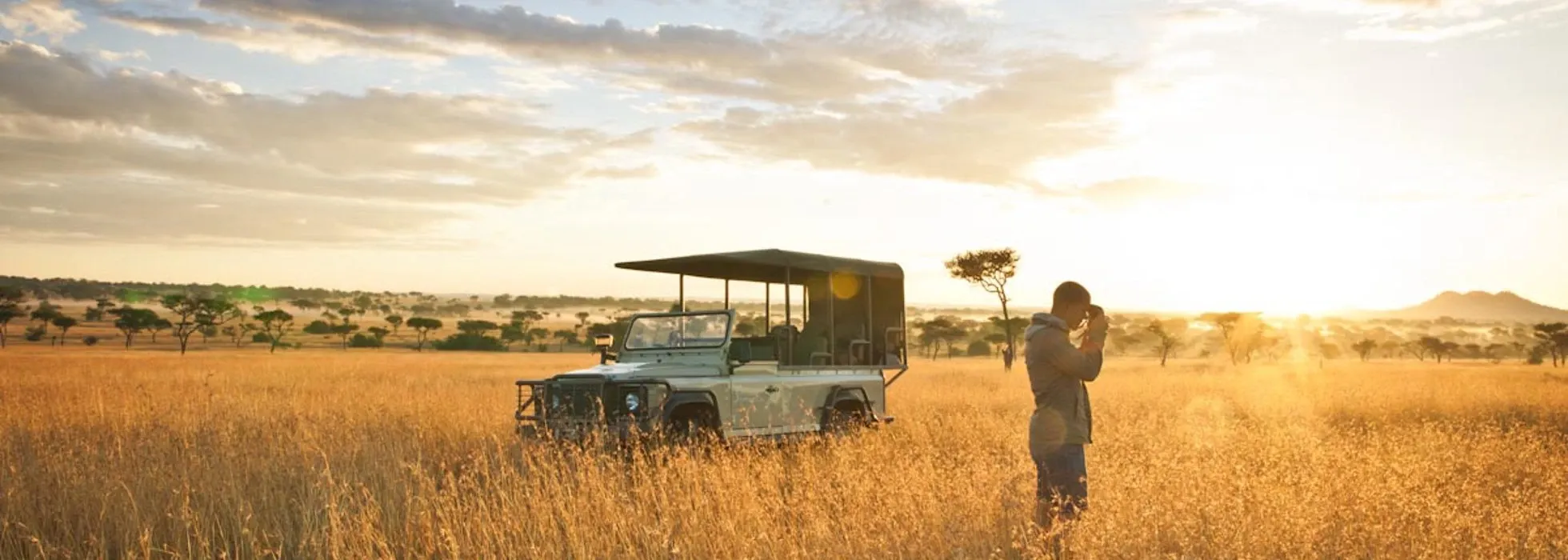
Tanzania · The Four Circuits
Tanzania Safari Destinations
Four circuits. One country worth taking slowly.
Why Tanzania
Why we would start your safari in Tanzania
We are biased. We live in Arusha, and most of the parks on this page are where our guides grew up. So here is the case for a Tanzania safari, made as plainly as we can, and you can weigh it for yourself.
Start with the herds. The Great Migration spends most of its year on Tanzanian ground. It calves on the short-grass plains of the southern Serengeti early in the year, drifts west and north through the dry months, and crosses into Kenya's Masai Mara for only part of the season. Add the Ngorongoro Crater, Tarangire's elephants under the baobabs, and the forested shore of Lake Manyara, and the Northern Circuit alone could fill two trips.
The Serengeti's private concessions
Then there is the part of the Serengeti most visitors never see. Around the edges of the national park sit private concessions, and the rules change once you cross into them. In the Grumeti Private Reserve on the western border, on the Loliondo concession below Klein's Camp in the north-east, and across the granite hills of the Mwiba Wildlife Reserve in the south, you can walk with a guide, drive after dark and leave the track when a sighting asks for it. Inside the national park, night drives and off-road driving are not allowed, and guided walking is limited to a few wilderness areas.
In the Grumeti Private Reserve we place guests at Singita Sasakwa Lodge, on a hill above the western plains, and at Singita Faru Faru Lodge, on a riverbank in the same reserve. When the season suits, we also use Mwiba Lodge, on the edge of the calving plains, or at TAASA Lodge, twelve tents on a private concession looking over the Lobo Valley. Closer to Arusha, Little Chem Chem sits in the Burunge Wildlife Management Area between Tarangire and Lake Manyara, with the same freedom to walk.
Ruaha, Gombe and Mahale: Tanzania without the traffic
Further out, the country thins to a kind of wilderness that is getting hard to find. Ruaha is big, dry and quiet, with baobab ridges and far fewer vehicles than the north. From Jabali Ridge you can watch an afternoon go by without hearing an engine. In the far west, Gombe and Mahale sit on the shore of Lake Tanganyika. There are no roads in. You arrive by light aircraft and boat, then walk into the forest to sit near wild chimpanzees for an hour you will not forget.
A private island to finish
When the dust has done its work, the Indian Ocean is a short flight away. You can end on an island of your own: andBeyond Mnemba Island, twelve bandas on coral sand off Zanzibar's north-east coast, or Thanda Island off Mafia, taken by one party at a time. Or keep it simple with a plunge-pool villa on Zanzibar or a quiet lagoon on Pemba.
Tanzania, Kenya, Botswana, South Africa or Namibia?
None of this takes anything away from Africa's other great safari countries. The Okavango's water channels in Botswana, the private reserves around Kruger, Namibia's desert light, the Mara in full migration: they are the real thing, and we would happily send you to any of them. What Tanzania gives you is range. Open plains, a volcanic crater, chimpanzee forest, a concession where you can walk, and a coral island to end on, all within one country and planned by one team who knows the roads between them.
The only mistake is trying to see it all at once. We would rather you saw one or two circuits properly, three nights to a camp, than all four in a blur. We call it Depth over Distance. It is what The Luxury of Time looks like on the ground, and it is the only way we plan.
Browse the four circuits below, or tell us who is travelling and we will suggest where to begin.
Who is planning
Three very different trips. One country that suits all of them.
Planning your honeymoon
Your first safari, and your first trip as a married couple.
Honeymooners ask us the same two things. Will it feel private? And will we spend it in a car? Yes, and no. You have your own vehicle and guide the whole way, and we choose tents set apart from other guests.
Three nights in each camp means no packing at dawn and long afternoons on your own deck. Then a few days on Mnemba, a private island off Zanzibar, which is the gentlest way we know to end it.
Honeymoon safaris →Travelling as a family
Grandparents, parents and a six-year-old, all on the same safari.
Family trips rarely go wrong on wildlife. They go wrong on pace. So we plan around the youngest and the eldest, and everyone in between is grateful. We choose camps that welcome young children and time the drives around rest.
We have hosted guests under one year old. For a larger family, a private concession such as TAASA, on the northern edge of the Serengeti, gives you a quiet camp and a guide who works only for you.
Family safaris →Comparing countries with friends
Five friends, three countries on the shortlist, one group chat.
There is usually one of you who wants the migration, one who wants a beach, and one who quietly wants to climb Kilimanjaro. Tanzania is one of the few places where all three fit into the same trip, planned by one team in Arusha.
Any group size works. For the peak months, start talking to us nine to twelve months ahead. The best small camps fill first, and they fill with groups like yours.
Friends safaris →Tanzania and its neighbours, honestly
If Tanzania is one name on your list, this is how we would describe the others to a friend.
| Country | What it does beautifully | What Tanzania adds |
|---|---|---|
| Kenya | The Masai Mara and its conservancies, at their best in the migration months. | The herds for most of the year, including calving on the southern plains early in the year. |
| Botswana | The Okavango Delta: water channels, mokoro trips and small, remote camps. | A volcanic crater, chimpanzee forest and an Indian Ocean coast, all in one country. |
| South Africa | Private reserves around Kruger, easy logistics, and Cape Town and the winelands. | The scale of the Serengeti, the migration, and days that feel properly wild. |
| Namibia | Desert landscapes, enormous skies, Etosha and long self-drive routes. | Far more wildlife to the mile, a guide beside you throughout, and a beach to finish. |
Many of our guests go on to see two or three of these countries. We simply think Tanzania is the right one to begin with.
The Four Circuits
Swipe on mobile →
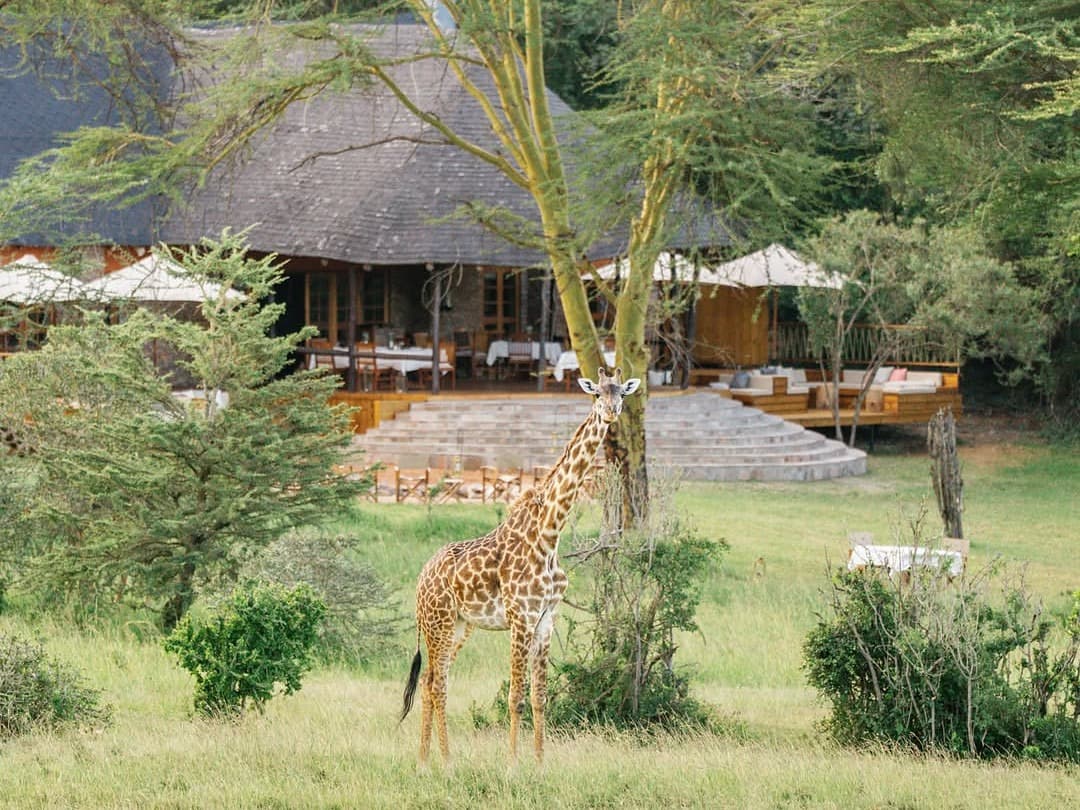
Peak July to October
Northern Circuit
Serengeti, Ngorongoro, Tarangire, Lake Manyara and Arusha National Park. The migration's home ground, and what most people picture when they think of a safari.
Explore the Northern Circuit →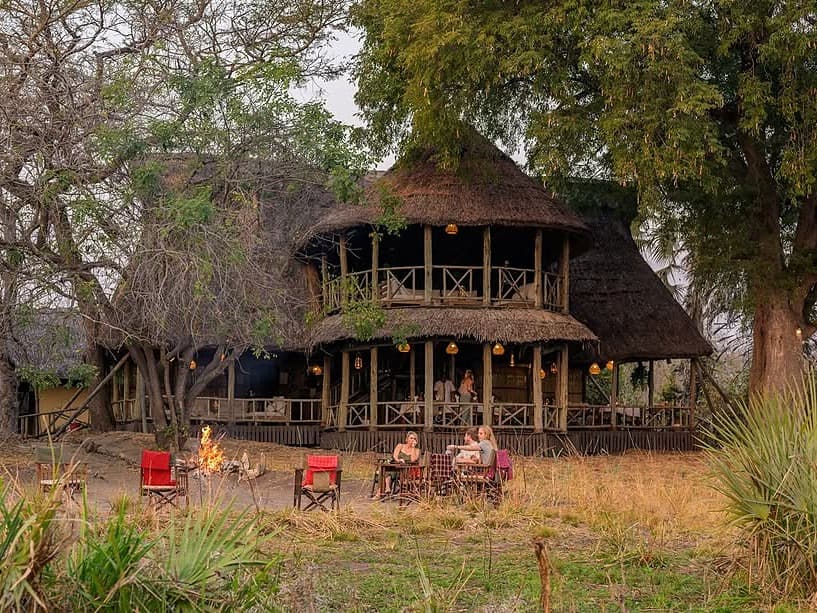
Peak June to October
Southern Circuit
Ruaha and Nyerere. Wide, dry country and few vehicles, with boats on the Rufiji and walks out from camp.
Explore the Southern Circuit →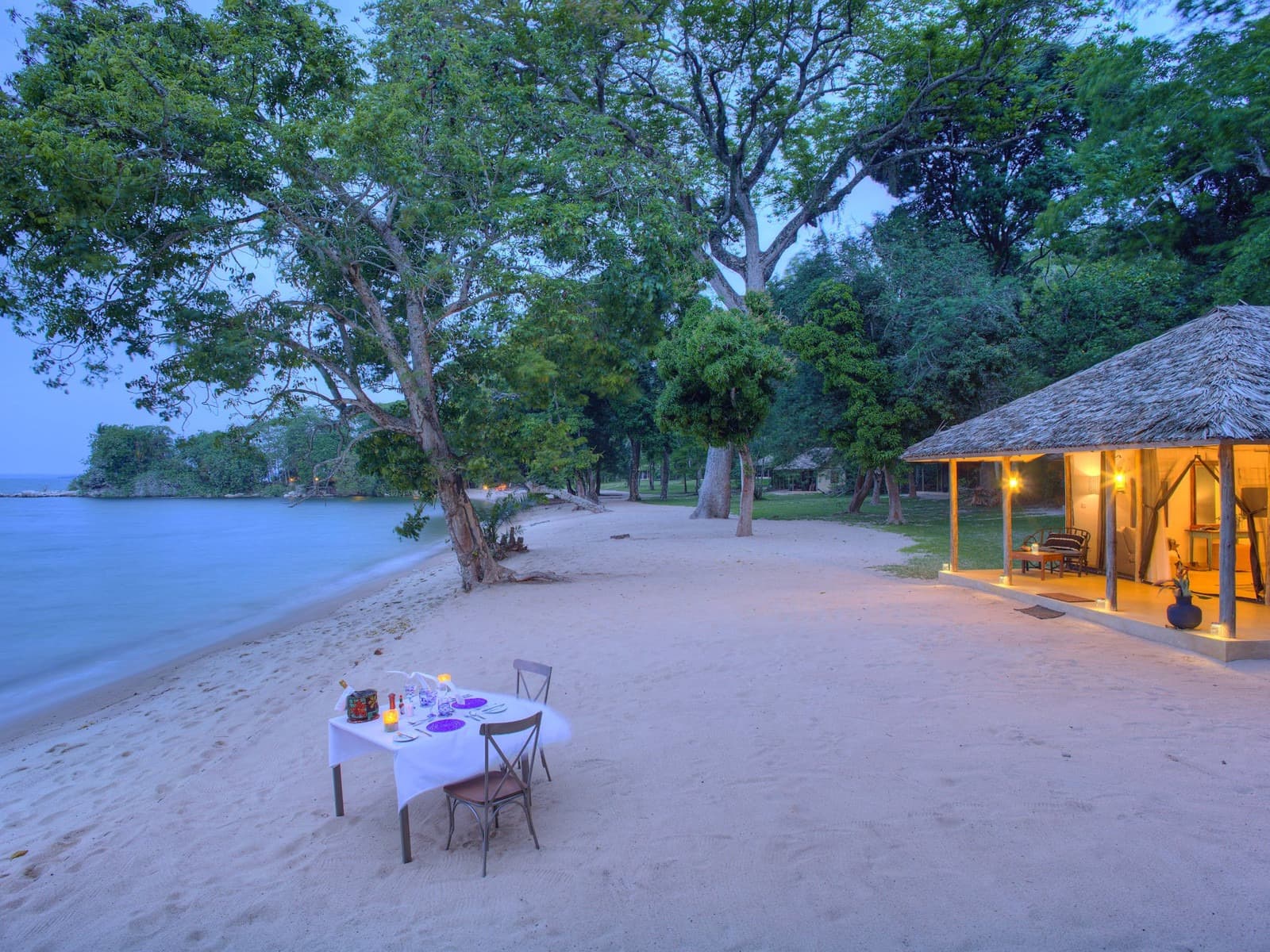
Fly-in only · Peak June to October
Western Circuit
Mahale, Gombe and Katavi. Chimpanzees on the shore of Lake Tanganyika, and wild country very few people ever reach.
Explore the Western Circuit →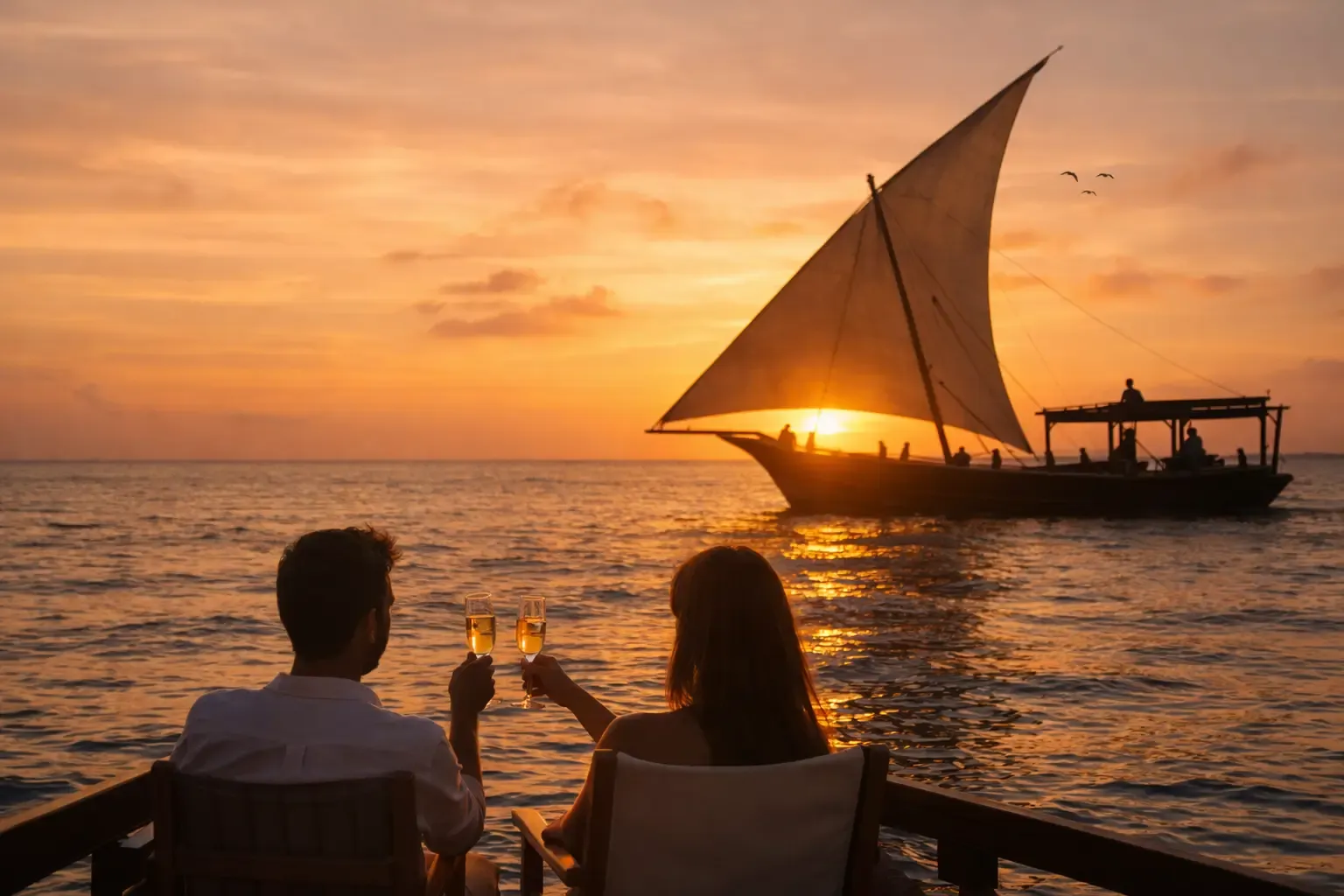
Year-round
Coastal Circuit
Zanzibar, Pemba, Mafia and the private islands. Where a safari ends barefoot, with salt on your skin instead of dust.
Explore the Coastal Circuit →Where the crowds stop
Private concessions and private islands
Eight of the places we turn to when a guest says the word "private". Each one is chosen for the months it is at its best, not for the brochure.
 Photo: Peter Jackson
Grumeti Private Reserve · Western Serengeti
Singita Sasakwa Lodge
On a hill above the western plains, with cottages that each have their own pool. Night drives and walking in the reserve.
Ask us about this camp →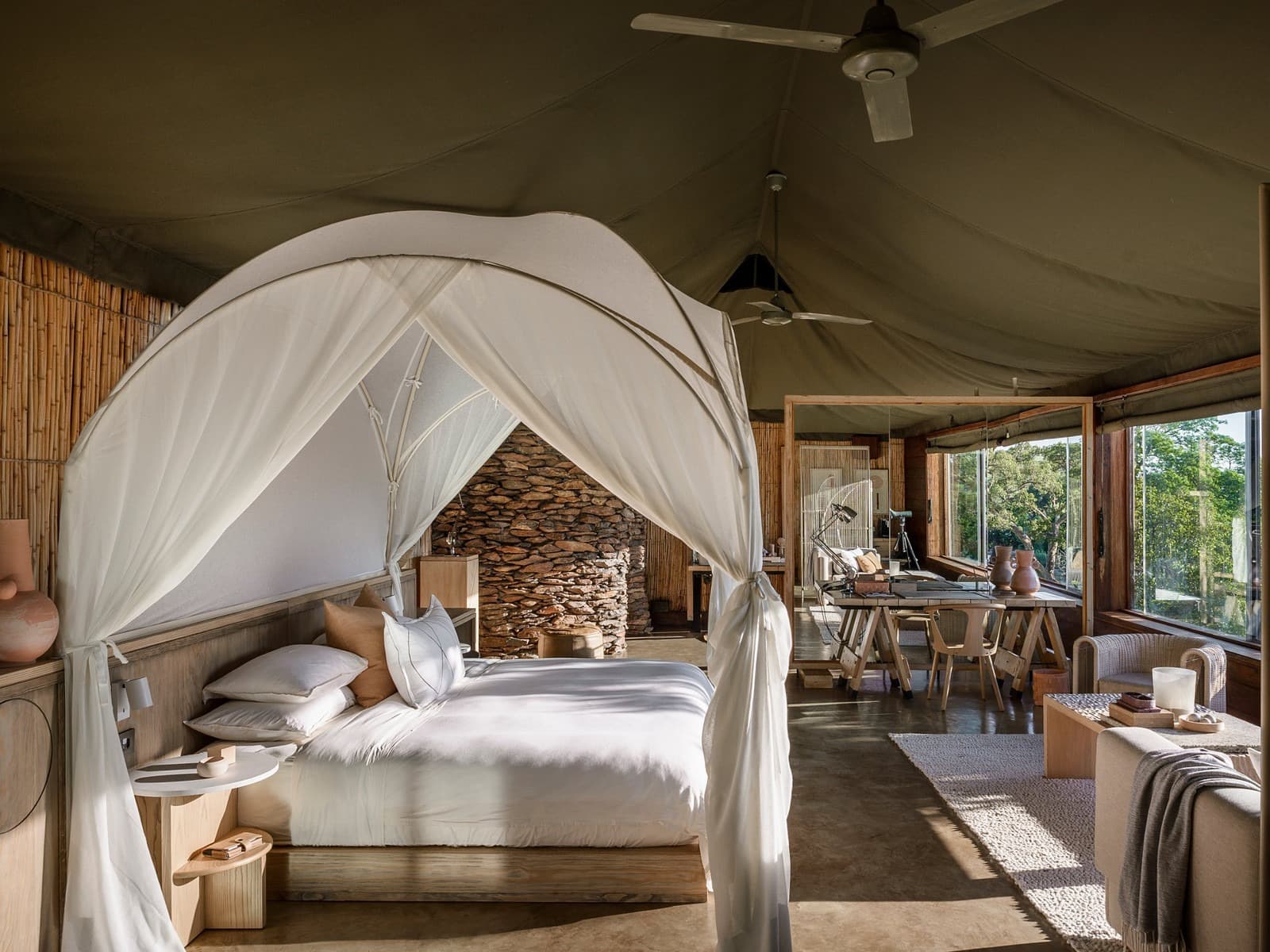
Grumeti Private Reserve · Western Serengeti
Singita Faru Faru Lodge
A riverbank lodge in the same private reserve, with open country around it and no other camps' vehicles.
Ask us about this camp →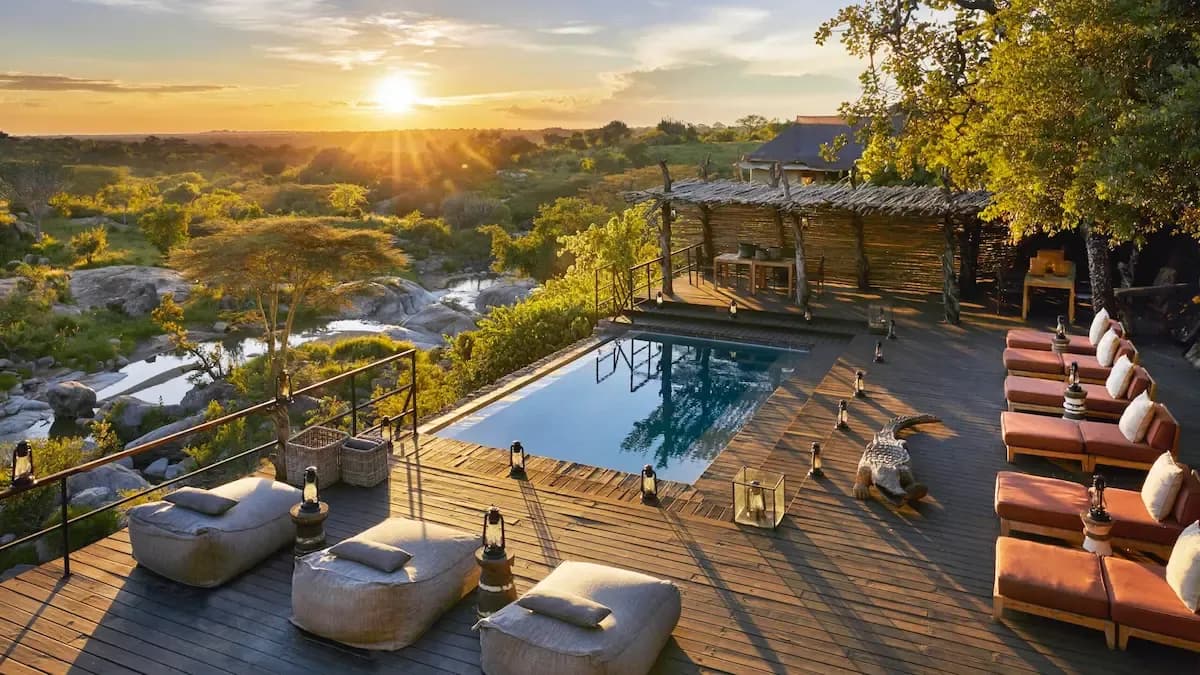
Southern Serengeti · Private reserve
Mwiba Lodge
On the edge of the calving plains. Night drives and off-road driving, which the national park does not permit.
View the camp →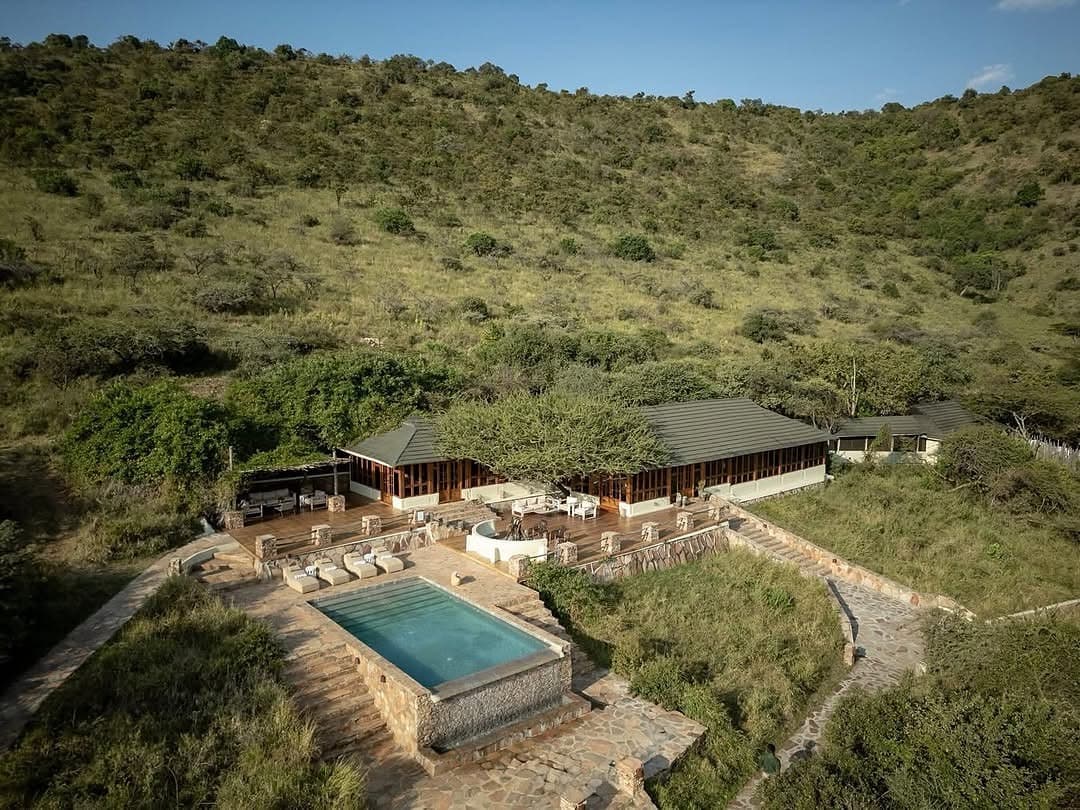
Northern Serengeti · Private concession
TAASA Lodge
Twelve tents near Loliondo, looking over the Lobo Valley. A quiet base for the northern months.
View the camp →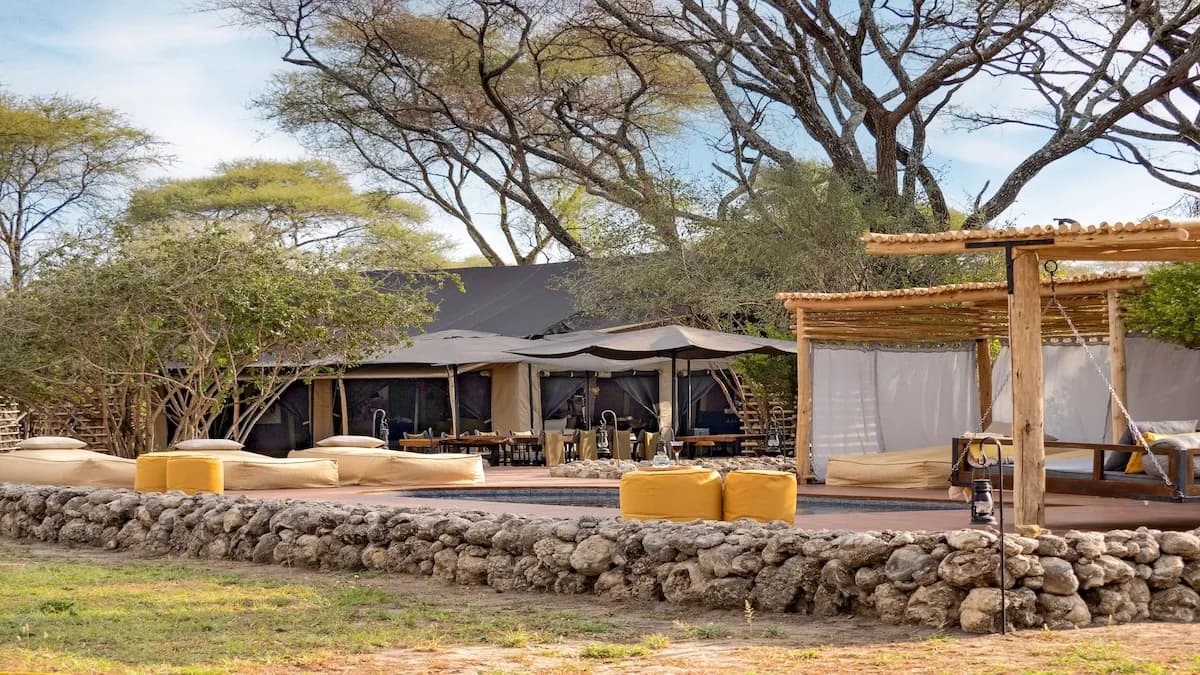
Burunge WMA · Tarangire
Little Chem Chem
An exclusive tented camp between Tarangire and Lake Manyara, made for privacy and stillness.
View the camp →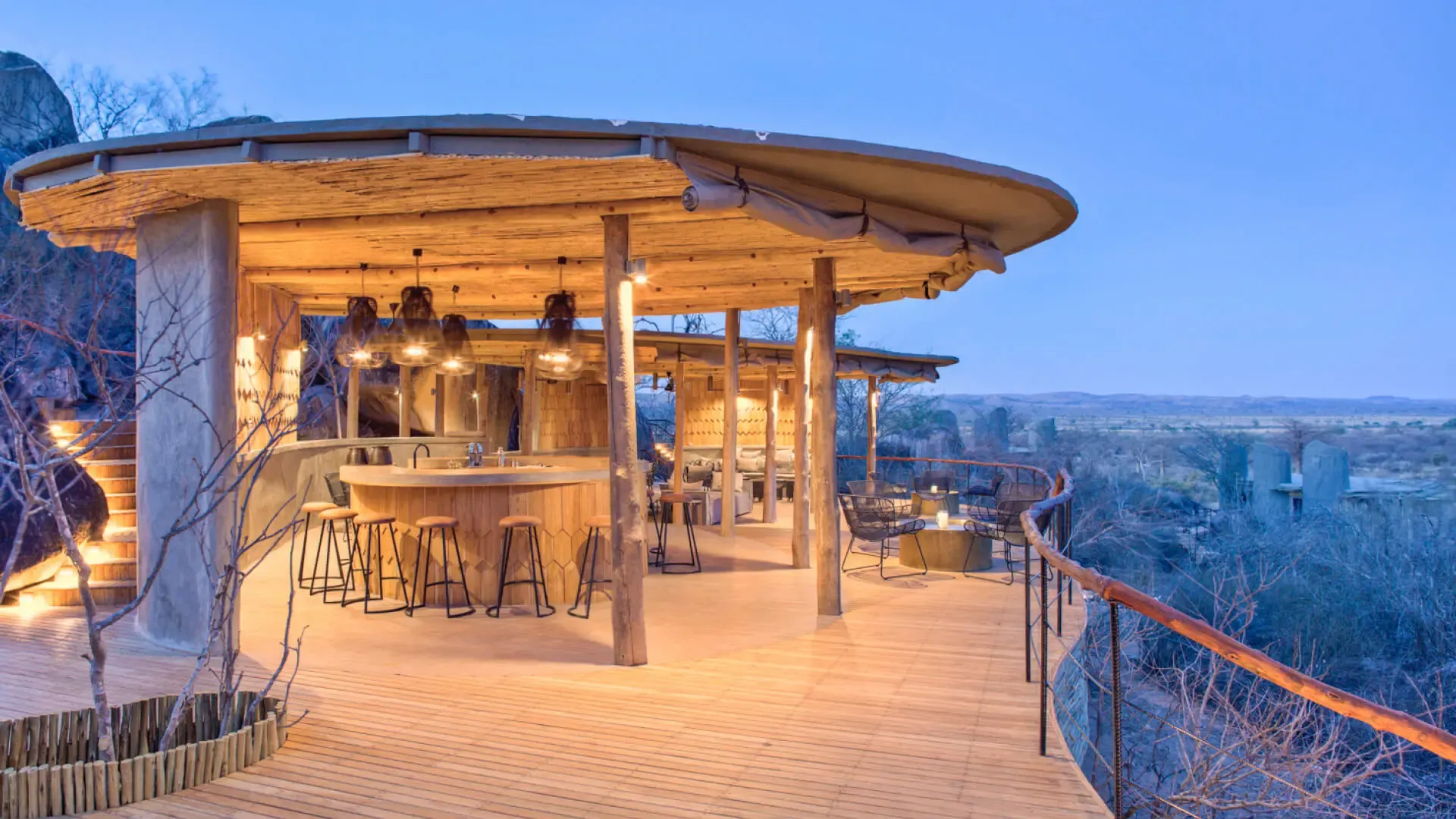
Ruaha National Park
Jabali Ridge
Granite and baobab on a hillside in the south, with far more animals than vehicles.
View the camp →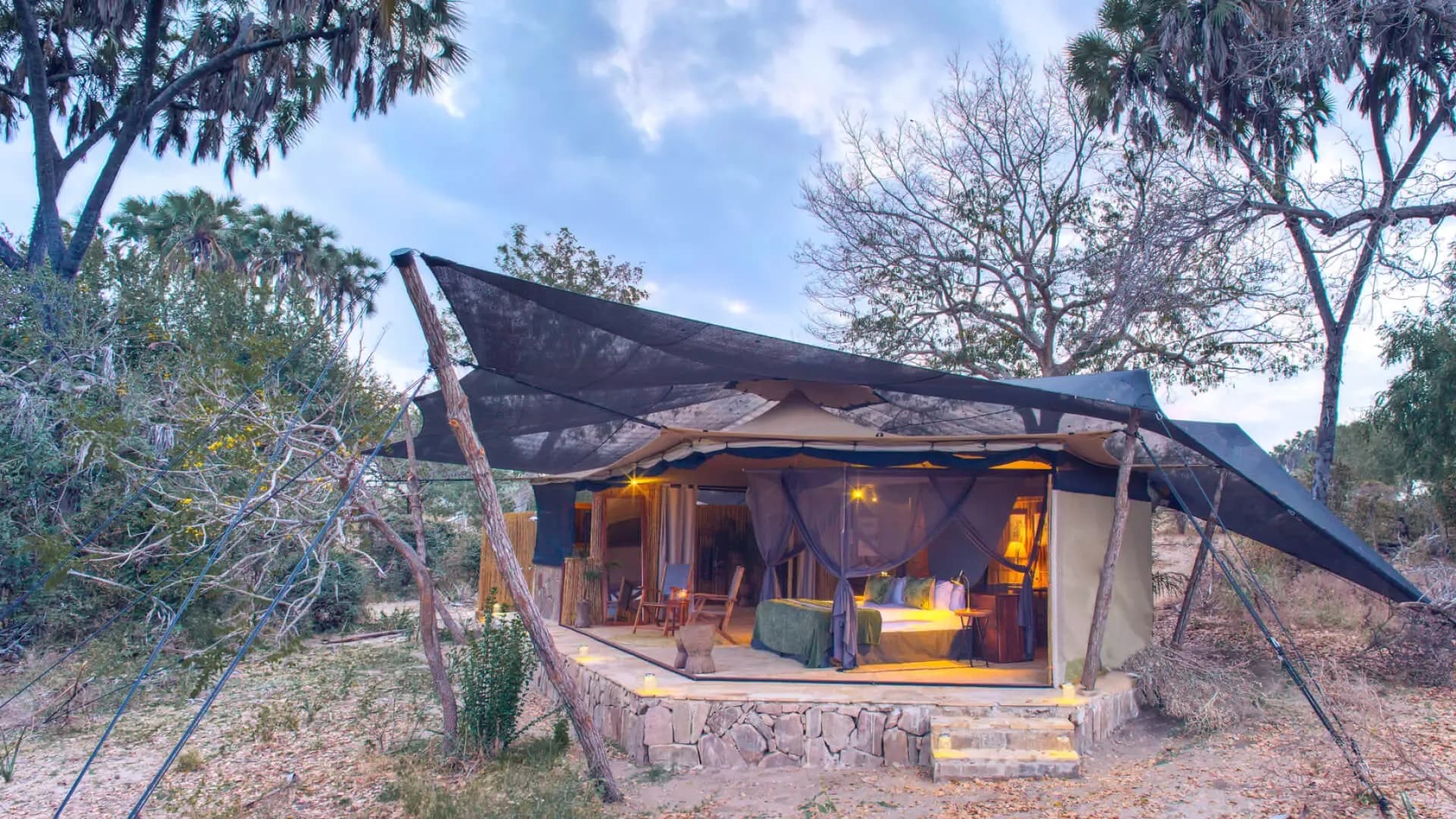
Nyerere National Park
Roho ya Selous
Eight tents on a peninsula above Lake Nzerakera. Boats, walks and birds among the palms.
View the camp →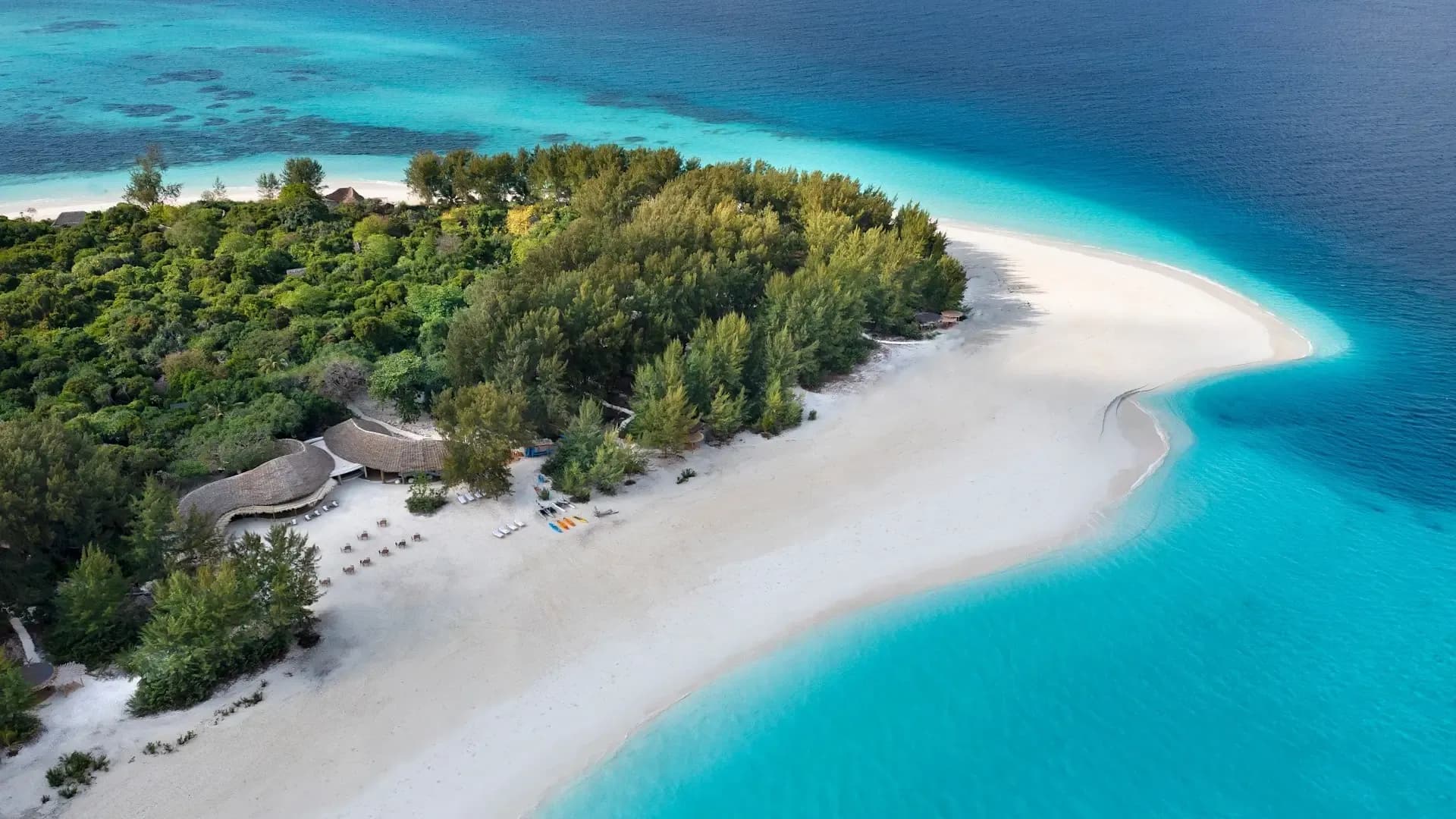
Off Zanzibar · Private island
andBeyond Mnemba Island
Twelve bandas on white coral sand, with reef snorkelling and nesting turtles.
View the camp →Planning a Tanzania safari: what people ask us first
For most first visits, the Northern Circuit. The Serengeti, the Ngorongoro Crater and Tarangire sit within reach of Arusha and of each other, and between them you have the best chance of the animals people come for. Second visits are where the south and west come into their own.
It is land bordering the national park, managed privately and open only to the guests of its camps. The animals move freely across the boundary, but the rules differ. Night drives and off-road driving are possible in places like Mwiba, the Grumeti Private Reserve and the Loliondo concession, and guided walks are far more widely offered there. Inside Serengeti National Park, night drives and off-road driving are not allowed, and guided walking is limited to a few wilderness areas.
Yes, and most of our guests do. The coast is a short flight from the parks. You can finish on a private island such as Mnemba, or at a villa on Zanzibar or Pemba, for as many nights as you like.
It depends on the circuit, and on what you want to see. The north peaks from July to October, the south and west from June to October, and the coast is good most of the year. The migration is in Tanzania for most of the year, so there is a right place for almost every month. Our Migration page follows it month by month.
Seven nights is the minimum we recommend. Nine to twelve lets you stay three nights in each camp instead of packing every morning, which is the whole point of how we plan.
The map is a beginning, not a plan.
Tell us your dates and who is coming. Goodluck will come back with a route, and the reasons behind every camp on it.
Begin the conversation