+255 753 744 283 | Mon–Fri 8:30AM–5PM · Sat 9AM–4PM EAT
EAST AFRICA · EST. 2021

Your Experiences

Nothing added yet — experiences you add from any page will appear here.

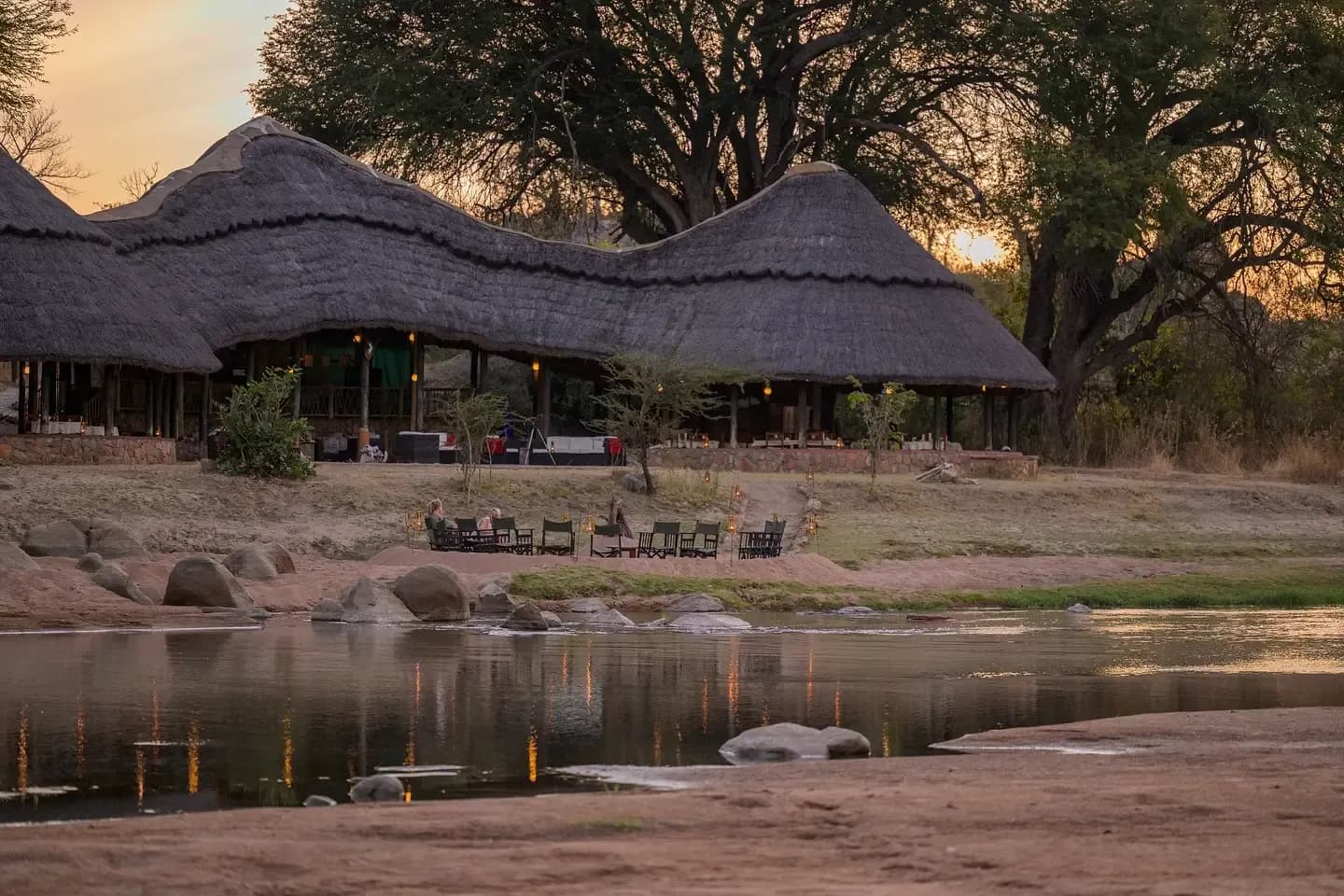
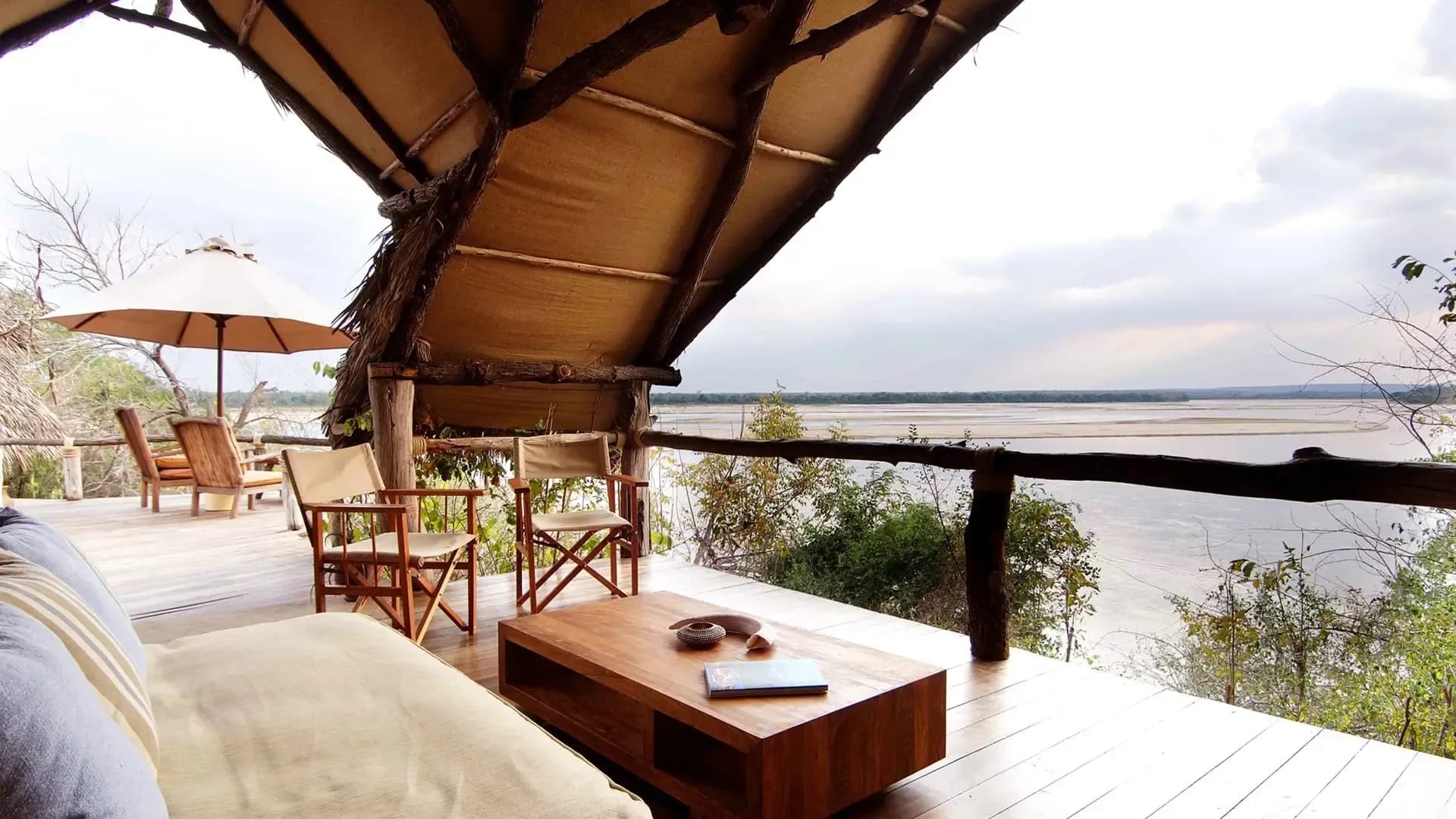
A timber deck under a canvas roof with chairs and a low table, looking out over a wide river

Nyerere National Park

The northern Selous, now a national park: boats on the Rufiji, walks on foot and very few visitors.

Why Nyerere (Selous)

The Selous, by water and on foot

If you have heard of the Selous, this is the part of it that welcomes safari guests. In 2019 the northern sector of the old Selous Game Reserve became Nyerere National Park, named after Tanzania’s first president. At about 30,900 square kilometres it is the largest national park in East Africa, and it is still the wild country it always was.

The Rufiji River runs through the park and feeds a chain of lakes and channels. That is what sets Nyerere apart from the northern parks: you watch hippo, crocodile and elephant from a boat, walk with an armed ranger and, at some camps, sleep out under canvas. Very few other visitors come.

Continue readingShow less

Why we send guests here

Nyerere is a safari you do rather than only watch. A boat on the lake at sunset, a morning walk following elephant tracks, an afternoon on the veranda with the river below. It is a good answer to a safari that has felt like too much time in a vehicle.

Which Selous is this?

What remains of the old reserve, to the east, is still the Selous Game Reserve. Our camps are in the national park.

How we plan it

Most guests fly in from Dar es Salaam, Zanzibar or Ruaha, and three nights is the least we suggest. Most camps close for the long rains, so we plan around the dry season, and we choose a camp by its lake and by the activities you want.

Best months
June to October, the dry season, when game gathers along the river and lakes. Most camps close for the long rains.
Getting there
A short flight from Dar es Salaam or Zanzibar, or by light aircraft from Ruaha and the Serengeti.
How long
Three nights at the least. Four lets you add fly-camping.
Pairs well with
Ruaha for dry country, Zanzibar or Mafia to finish, or the Serengeti beyond.

When to go

The year, usually

Southern Tanzania has a long dry season and heavy rains, and Nyerere follows them closely.

January and February

Hot and green. A few camps stay open, but rain is likely and many are closed.

March to May

The long rains. Roads flood, flights pause and most camps close.

June to October

The dry season and the heart of the year. The bush thins, game gathers at the river and lakes, and boat and walking safaris are at their best. July to October is the peak.

November and December

The first rains arrive and the landscape softens. Some camps are open over the festive season.

Inside the park

Three ways to see Nyerere

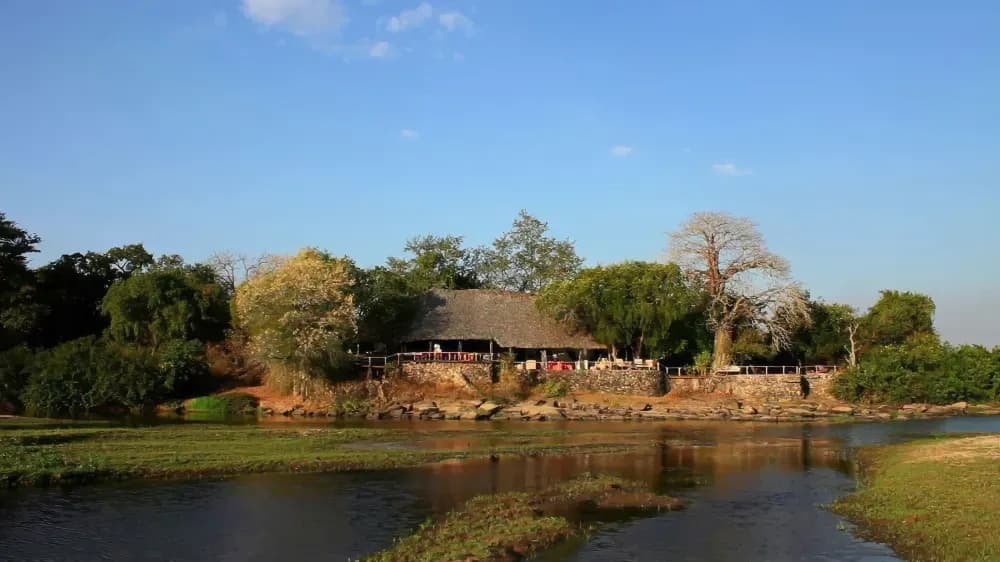
A thatched camp on a river bank among green trees and a baobab, with calm water in front

Boat safaris · Best June to October

The Rufiji and its lakes

Tanzania’s largest river cuts through the park and feeds lakes such as Nzerakera, Manze and Tagalala. A boat safari takes you slowly along the water, past hippo pods, crocodiles on the sandbanks, elephants coming down to drink and kingfishers working the edges.

Boat trips usually last two or three hours, and the best of them run late in the day, when the light is low and the animals come to the water.

Season matters

Water levels change through the year, and so do the routes a boat can take. Your guide will choose the lake that works that week.
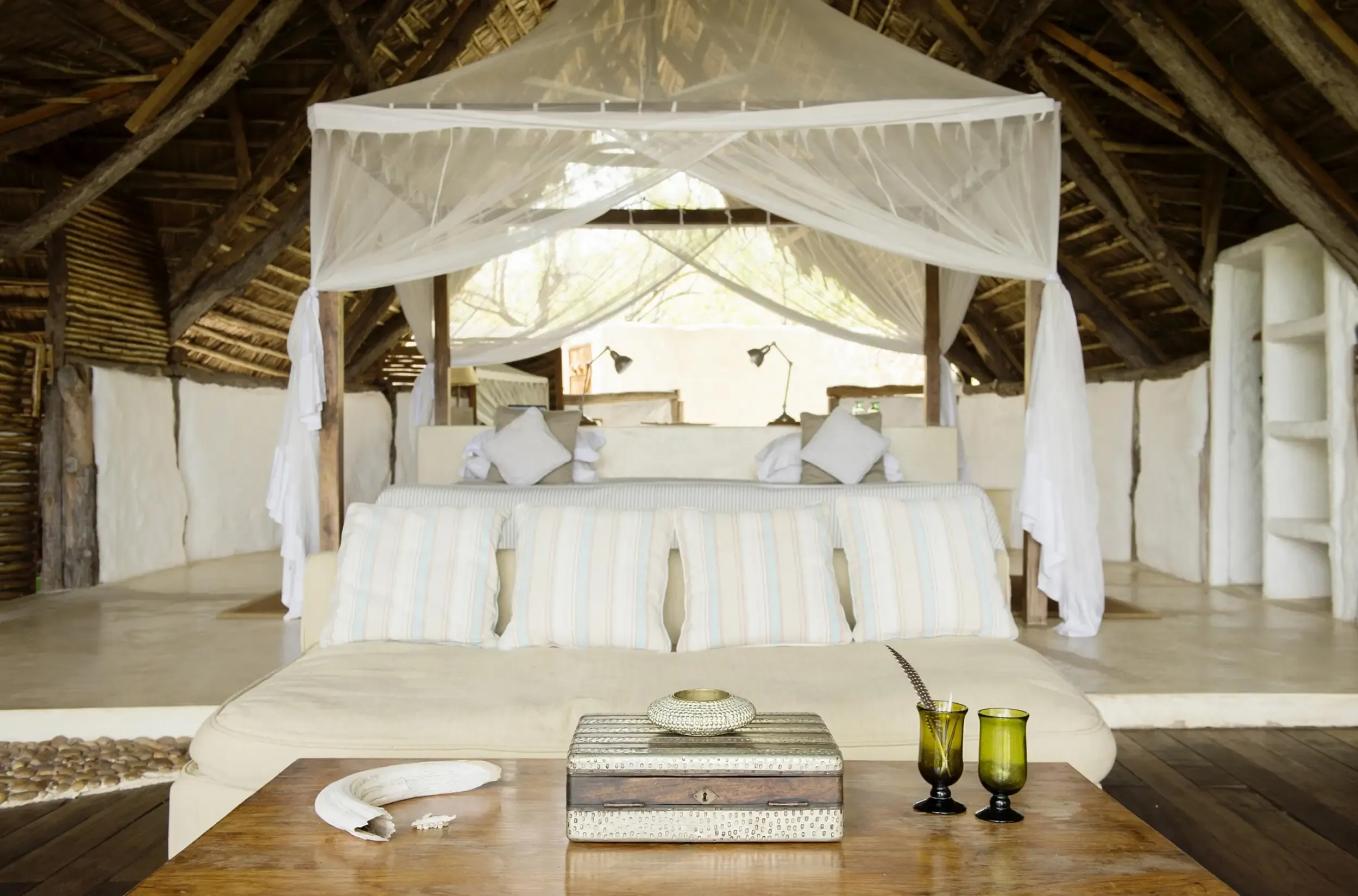
A bed under a white mosquito net inside a thatched tent, with a low table in front

The wider park · Best in the dry months

Woodland, hot springs and dry riverbeds

Away from the lakes the country changes. Miombo woodland, open grass and dry sand riverbeds hold lion, giraffe and buffalo, and the wild dog that are rare elsewhere in Tanzania are one of the park’s draws.

Some camps add a swim in natural hot springs, or a drink on a hill above the plains.

Realistically

Wild dog range over very large areas, so a sighting depends on luck and timing. Treat it as a bonus.

Where we stay

Our camps sit beside the lakes or on the river, and we choose by the activities you want: boat, walking or fly-camping.

Explore more of our camps

What you will do

Beyond the game drive

Boat safaris

Two or three hours on the lakes or the river, with hippo, crocodile, elephant and birds on the banks.

Walking safaris

Guided walks with an armed ranger, in small groups, early in the morning or late in the day.

Fly-camping

A night or two under canvas away from camp, offered by some camps. Ask us which.

Game drives

Open-vehicle drives through woodland and along the lakes, early and late.

A typical day

A day at Nyerere, usually

Nyerere is a park of water and walking. This is the shape most days take.

  1. Before dawnTea on the deck as the lake wakes up.
  2. First lightA walk with the ranger, or a drive through the woodland.
  3. Mid-morningBreakfast in the bush, and a look at who passed in the night.
  4. MiddayRest, a swim, and the river in view.
  5. Late afternoonA boat on the lake as the light turns gold.
  6. EveningA fire at the water’s edge, dinner, and hippo grunting in the dark.

Good to know

The season

Nyerere is a dry-season park. Most camps close for the long rains, and flights pause with them. Always check dates.

Space

The park is vast, so animals are spread out. Sightings need patience, and time on the water and on foot makes up for it.

Heat

Days are hot and the sun on the water is strong. Bring sun protection, a hat and a layer for the evening.

Who it suits

Who it suits

Honeymoon

A boat at sunset, a private deck and no one else for miles. It is quieter and softer than the northern parks.

Honeymoon safaris →

Family

A fresh kind of safari for older children: boats, walks and fewer long drives. Some activities have age limits, so we check each camp first.

Family safaris →

Friends

A good fit for friends who like doing things rather than only watching. Boat, walk, fly-camp and swap stories by the fire.

Friends safaris →

Nyerere (Selous): what people ask us first

Is Nyerere the same as the Selous?

Nyerere National Park is the northern part of the old Selous Game Reserve, made a national park in 2019. What remains of the old reserve, to the east, is still the Selous Game Reserve. Our camps are in the national park.

When is the best time to visit?

June to October, when game gathers along the river and lakes. Most camps close for the long rains, roughly March to May.

Can we do a boat safari and a walking safari?

Yes. Boat safaris and guided walks are both central to Nyerere, and some camps also offer fly-camping. Tell us what you would like and we will place you accordingly.

How do we get there?

A short flight from Dar es Salaam or Zanzibar, or by light aircraft from Ruaha or the Serengeti.

Will we see wild dog?

Possibly. Nyerere is one of the better places in Tanzania for them, but they roam widely and are never guaranteed.

Tell us what you like to do. We will tell you where in Nyerere to do it.

Send us your dates and who is coming. Goodluck will come back with a route, and the reasons behind every camp on it.

Begin the conversation

+255 753 744 283 · hello@easguides.travel

Your trip shortlist is empty