+255 753 744 283 | Mon–Fri 8:30AM–5PM · Sat 9AM–4PM EAT
EAST AFRICA · EST. 2021

Your Experiences

Nothing added yet — experiences you add from any page will appear here.

Red sand track running past a baobab tree towards blue hills

Mkomazi National Park

Dry country, rhino and wild dog, and very few visitors.

Why Mkomazi

The Northern Circuit’s quiet corner

Mkomazi lies on the Kenyan border, where it runs straight into Tsavo West National Park, with the Pare and Usambara mountains rising behind it. It is dry country: thornbush, baobabs and rocky hills. In feel it is closer to northern Kenya than to the Serengeti.

The park covers about 3,245 square kilometres. It became a national park in 2008, after decades as a game reserve, and its modern story is one of recovery. Black rhino live in a fenced and patrolled sanctuary inside the park, and a breeding programme has returned African wild dogs to the wider area. Very few visitors come, and that is part of the point.

Continue readingShow less

Dry-country wildlife

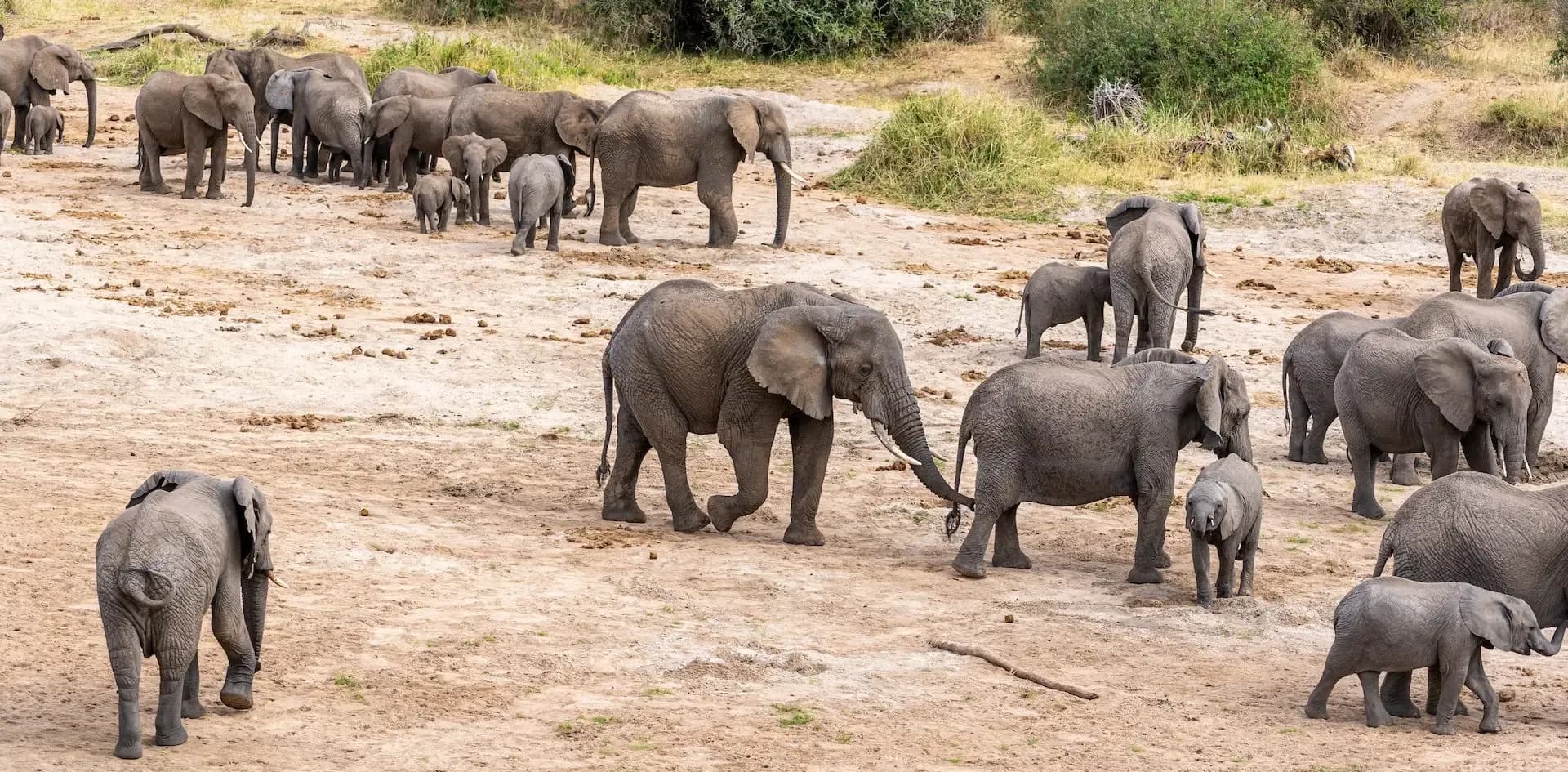
Gerenuk, lesser kudu and fringe-eared oryx live here, species that are rarely seen on the usual Northern Circuit. Elephants move between Mkomazi and Tsavo, and giraffe, eland and hartebeest are also seen.

How we plan it

Mkomazi works best as a deliberate extra, not a detour. It suits guests who have seen the big names, who care about conservation, or who want a safari with almost no company. We arrange it on request, with the transfers planned carefully, because the park is a long way from the main circuit.

Best months
June to October is the dry season and the easiest for game. January to March can add migrant birds.
Getting there
By road, roughly three hours from Moshi and three to four from Arusha, to the Zange Gate near Same. There is also a small airstrip for charter flights.
How long
One night at the least. Two if you want the rhino sanctuary and a walk.
Pairs well with
Kilimanjaro or Arusha National Park nearby, or the coast.

When to go

The year, usually

Northern Tanzania has two rainy seasons and a long dry one. At Mkomazi the dry months matter most.

January and February

Hot and mostly dry. Migrant birds are in, and the bush is quiet.

March to May

The long rains. Dust turns to mud, some tracks close and few camps run. This is not the time for Mkomazi.

June to October

The dry season, and the best time. Water points shrink and animals gather at places such as Dindira Dam.

November and December

The short rains. The bush greens up and the park is at its quietest.

Inside the park

Three reasons to go

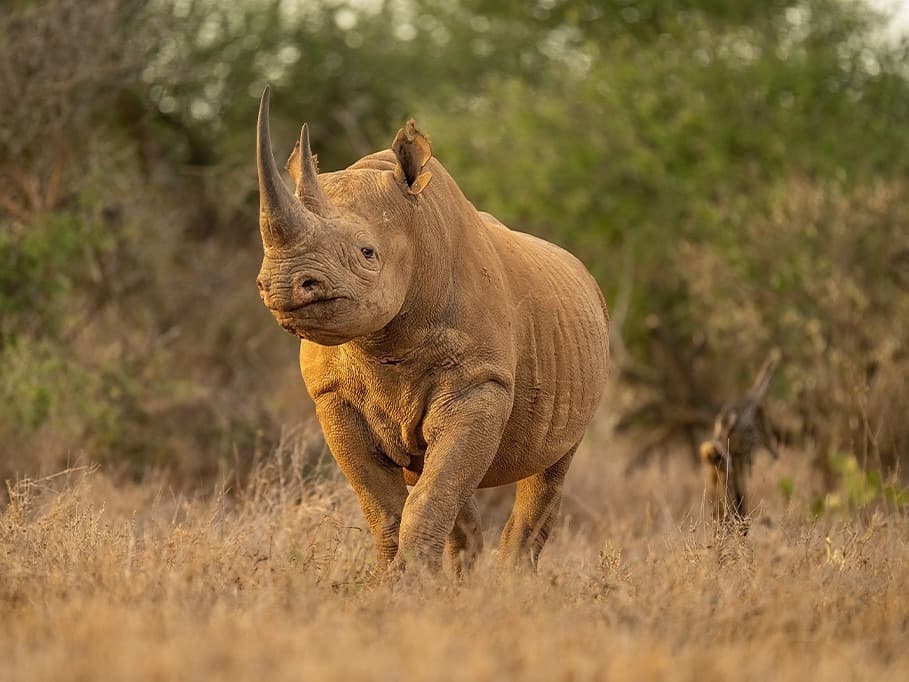
Black rhino standing in golden dry grass

Fenced and patrolled · Good all year

The rhino sanctuary

Black rhino were reintroduced to Mkomazi and live in a large fenced sanctuary, guarded by rangers. They are breeding. Visits are arranged in advance, and the sanctuary is the quickest way to understand what this park is for.

A sighting is not certain, because the enclosure is large and the bush is thick. The rangers’ knowledge of each animal is part of the visit.

Not guaranteed

Rhino live in the sanctuary, not across the park. Wild dog roam the wider park and are seen only occasionally.
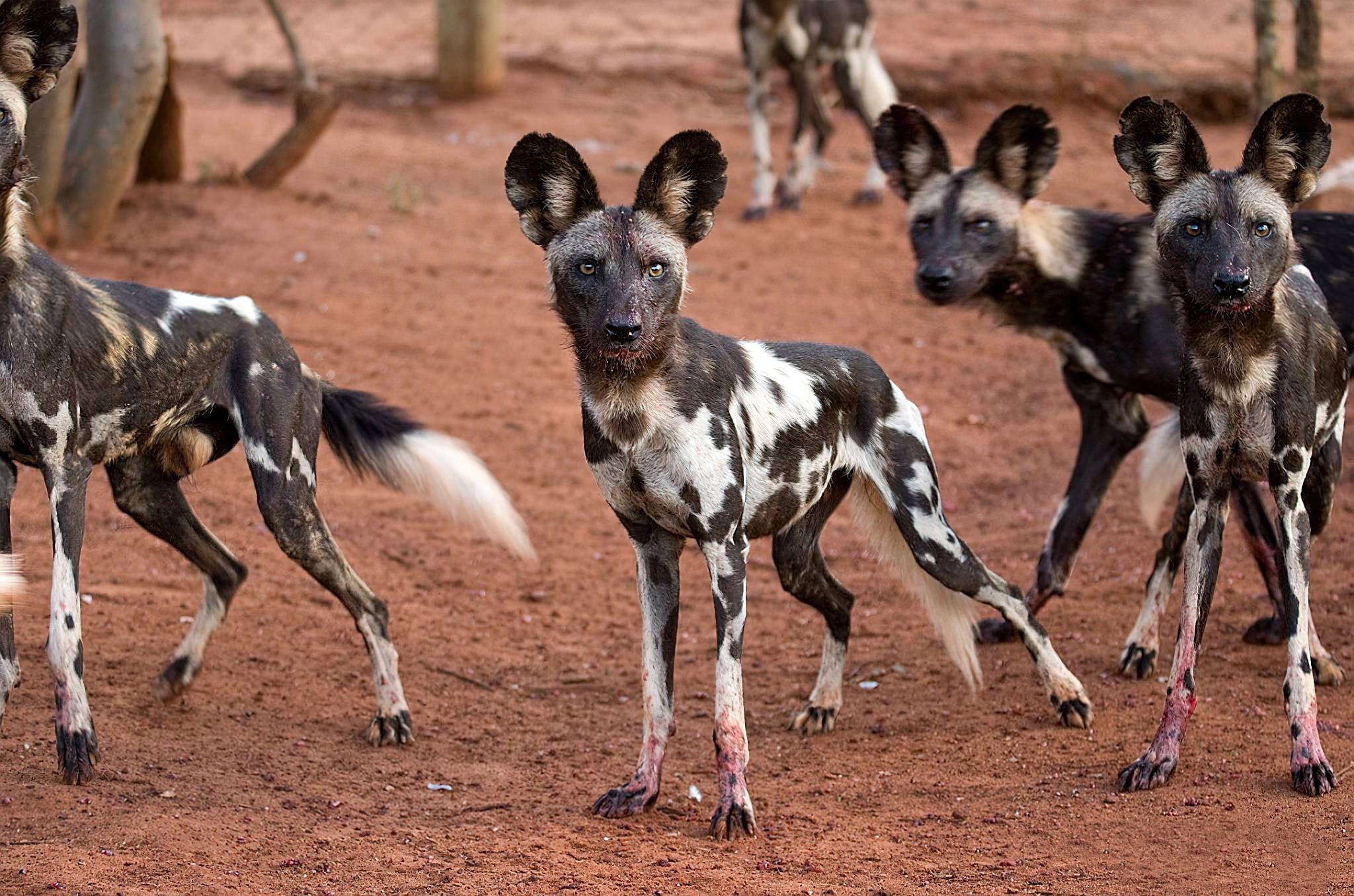
A group of African wild dogs standing on red sandy ground, three of them looking towards the cameraPhoto: Karl Wassermann

Water and wildlife · Best June to October

Dindira Dam and the dry bush

Dindira Dam is the park’s best-known water point, and in the dry season it draws animals from a wide area. Gerenuk, lesser kudu and oryx come to the edges, the gerenuk standing tall on their back legs to browse.

Elsewhere the bush is open acacia and commiphora, with baobabs and rocky hills rising out of the plain. Drives are long and quiet, and you may have the whole afternoon to yourselves.

Pack for this

It is hot and dry, and the tracks are long. Take water, a hat and plenty of patience.

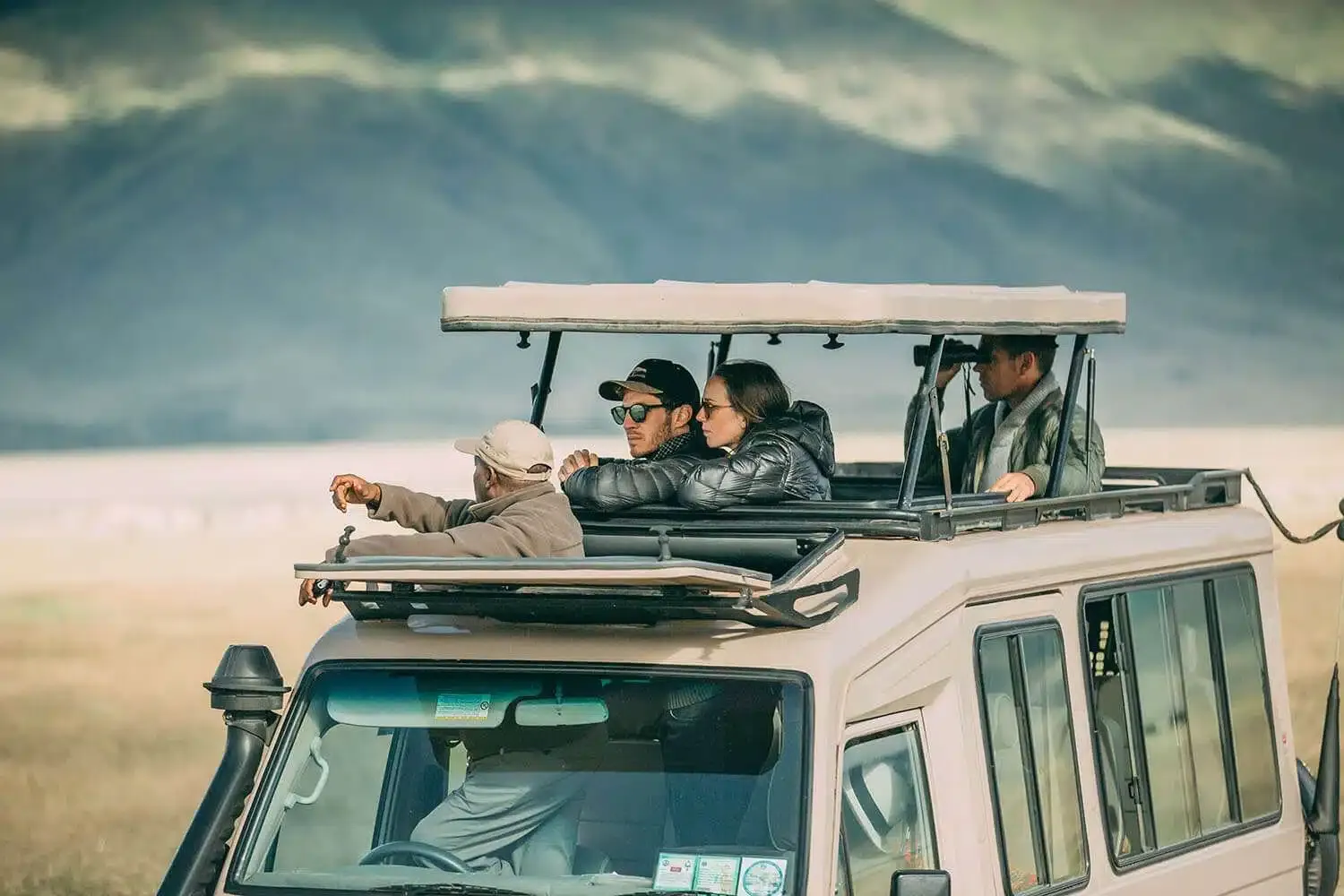
Guests in an open-roof safari vehicle looking out across a wide grass plain, with hills and cloud behind

Pare and Usambara views · Good all year

The mountain edge

To the south the Pare and Usambara mountains rise out of the plain, green against the dry bush. They give the park a backdrop unlike any other on the circuit, and they are good walking country outside the park.

Guided nature walks inside the park give a different feel for the bush: tracks, birds and the small things a vehicle misses.

Worth arranging

Walks inside the park depend on the ranger and the day. Tell us you would like one and we will arrange it in advance.

How we arrange it

Stays at Mkomazi are arranged on request, to suit your dates and the rest of your route.

Ask us about Mkomazi

What you will do

Beyond the game drive

Game drives

Long, quiet loops through open bush, with gerenuk, oryx, giraffe and elephant. Mornings and late afternoons are best.

The rhino sanctuary

A visit arranged in advance, usually with a ranger, to see black rhino in a protected setting.

Nature walks

Guided walks inside the park, by arrangement, for a closer look at the bush.

Birdwatching

Dry-country birds all year, with migrants joining from January to March.

A typical day

A day at Mkomazi, usually

Days here are long, hot and quiet. This is the shape most of them take.

  1. Before dawnCoffee, and a long, dry horizon.
  2. First lightOut towards Dindira Dam while the air is cool.
  3. Mid-morningBreakfast in the bush, with gerenuk somewhere in the thorn.
  4. MiddayRest through the heat.
  5. Late afternoonThe rhino sanctuary, or another loop.
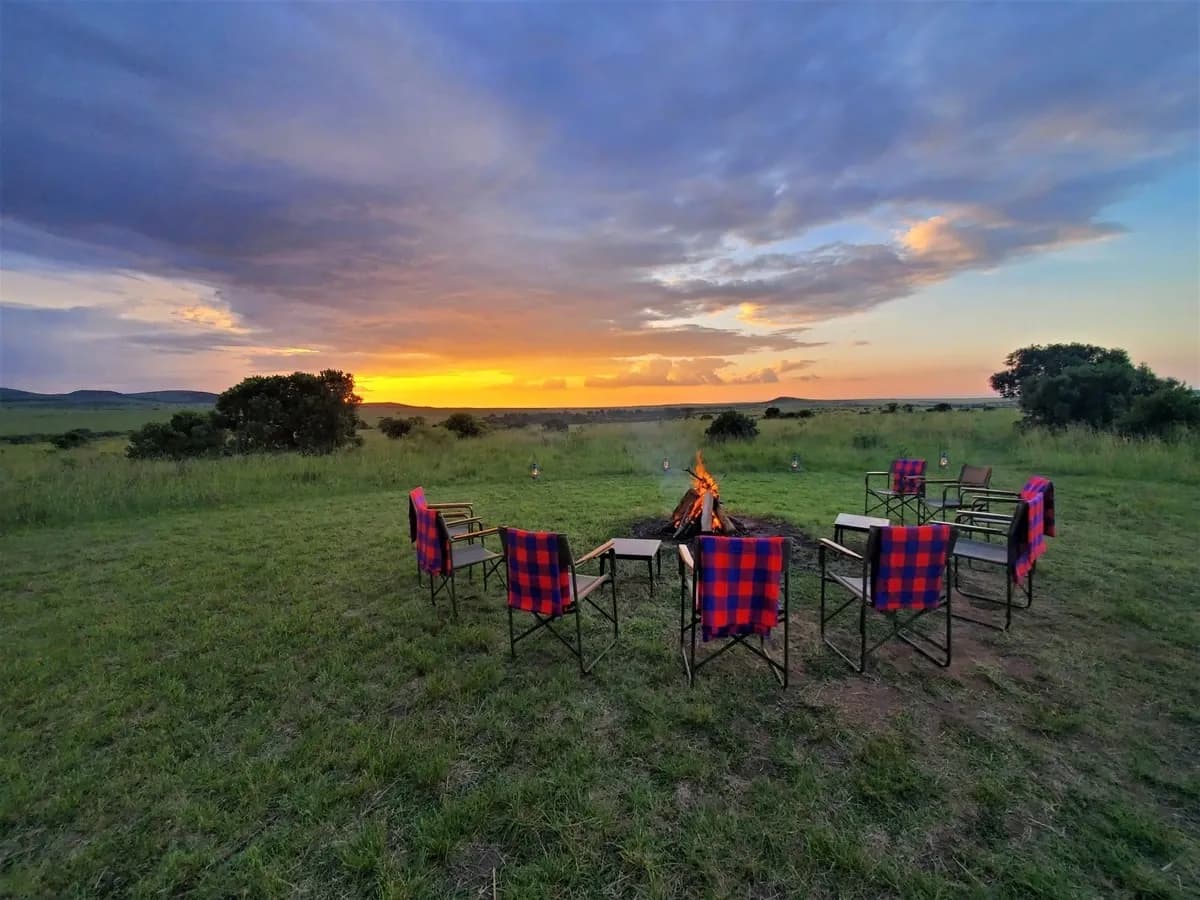
  6. EveningStars, a wide sky and very little noise.

Good to know

Distance

Mkomazi is a long way from the main circuit. Plan the transfers, and do not squeeze it into a full itinerary.

Heat

It is hot and dry for most of the year. Carry water and wear light clothes.

Simple facilities

Camps here are few and simple. We choose carefully, and we tell you plainly what to expect.

Who it suits

Who it suits

Honeymoon

Only if you want a very quiet, dry-country start. It is for couples who would rather have the place to themselves than a long list of animals.

Honeymoon safaris →

Family

Best with older children who enjoy long drives and the story of the rhino. The distances and the heat are the main trade-offs.

Family safaris →

Friends

A good choice for a group that has done the classics and wants something different, with very few other vehicles.

Friends safaris →

Mkomazi: what people ask us first

Why go to Mkomazi?

For dry-country animals you rarely see elsewhere in the north, for the rhino sanctuary and wild dog programme, and for the quiet. It is not for anyone who wants a long list of big-game sightings.

Will we see black rhino and wild dog?

Rhino live in a fenced sanctuary and a visit is arranged in advance, but a sighting is not guaranteed. Wild dog roam the wider park and are seen only occasionally.
How do we get there?

By road, roughly three hours from Moshi and three to four from Arusha, to the Zange Gate near Same. There is a small airstrip for charter flights.

When is the best time to go?

June to October, when the dry season gathers animals around the water points. We avoid March to May.

How long should we stay?

One night at the least. Two nights give you the sanctuary and a walk without rushing.

Tell us what you have already seen. We will tell you whether Mkomazi is the right extra.

Send us your dates and who is coming. Goodluck will come back with a route, and the reasons behind every camp on it.

Begin the conversation

+255 753 744 283 · hello@easguides.travel

Your trip shortlist is empty