+255 753 744 283 | Mon–Fri 8:30AM–5PM · Sat 9AM–4PM EAT
EAST AFRICA · EST. 2021

Your Experiences

Nothing added yet — experiences you add from any page will appear here.

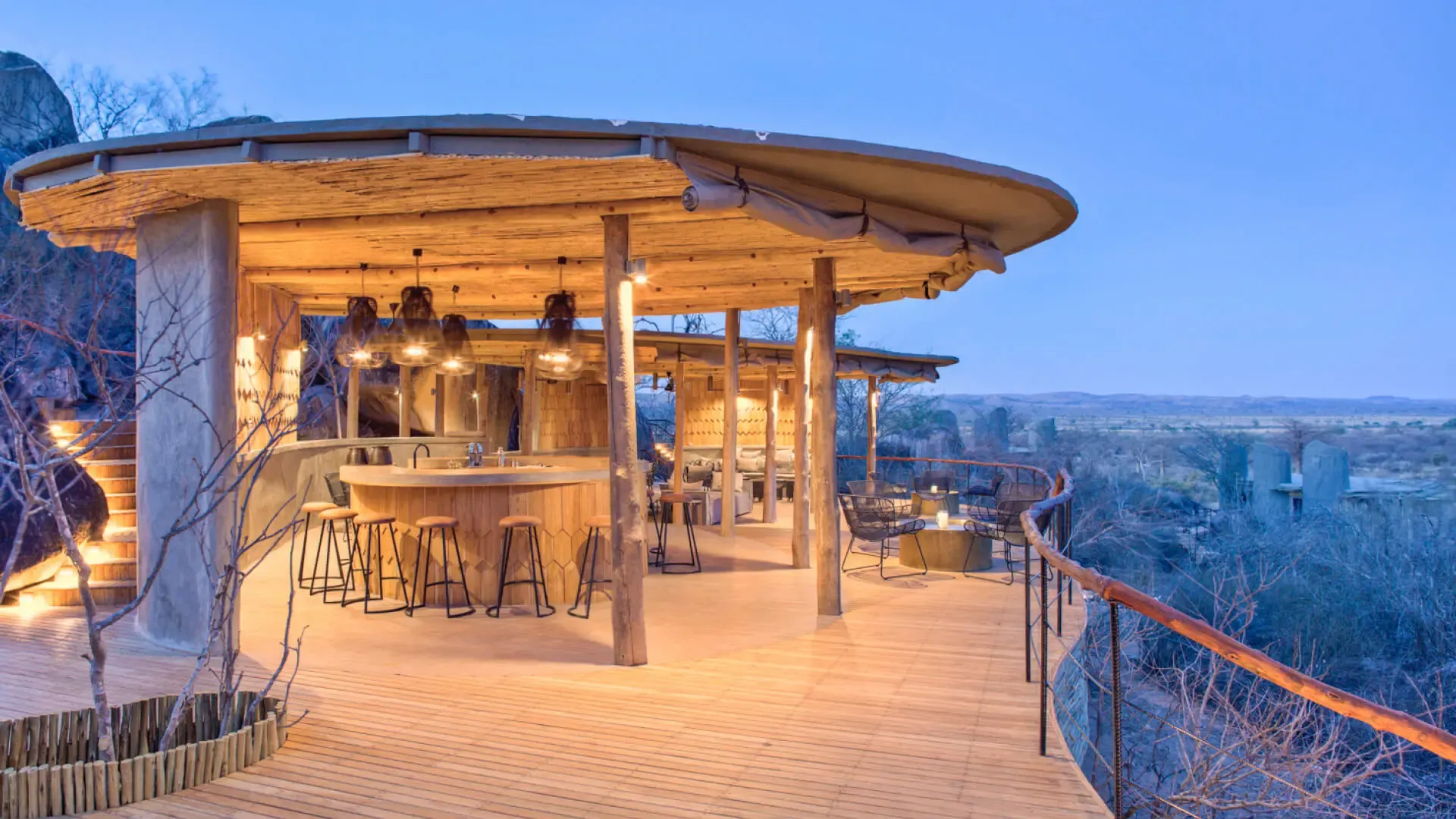
A timber bar and open deck beneath a thatched roof, built among granite boulders above the Ruaha plains, Jabali Ridge

Ruaha National Park

Lion country, baobab ridges and sand rivers, a long way from anywhere.

Why Ruaha

Wild, dry and very quiet

Ruaha takes its name from the Hehe word for river, and the Great Ruaha River is its lifeline. In the dry season the river shrinks to a string of pools, and animals from across the park walk long distances to reach it. Few camps, few vehicles, and a landscape of baobabs, granite outcrops and wide, pale sand rivers make it one of the quietest parks in Tanzania.

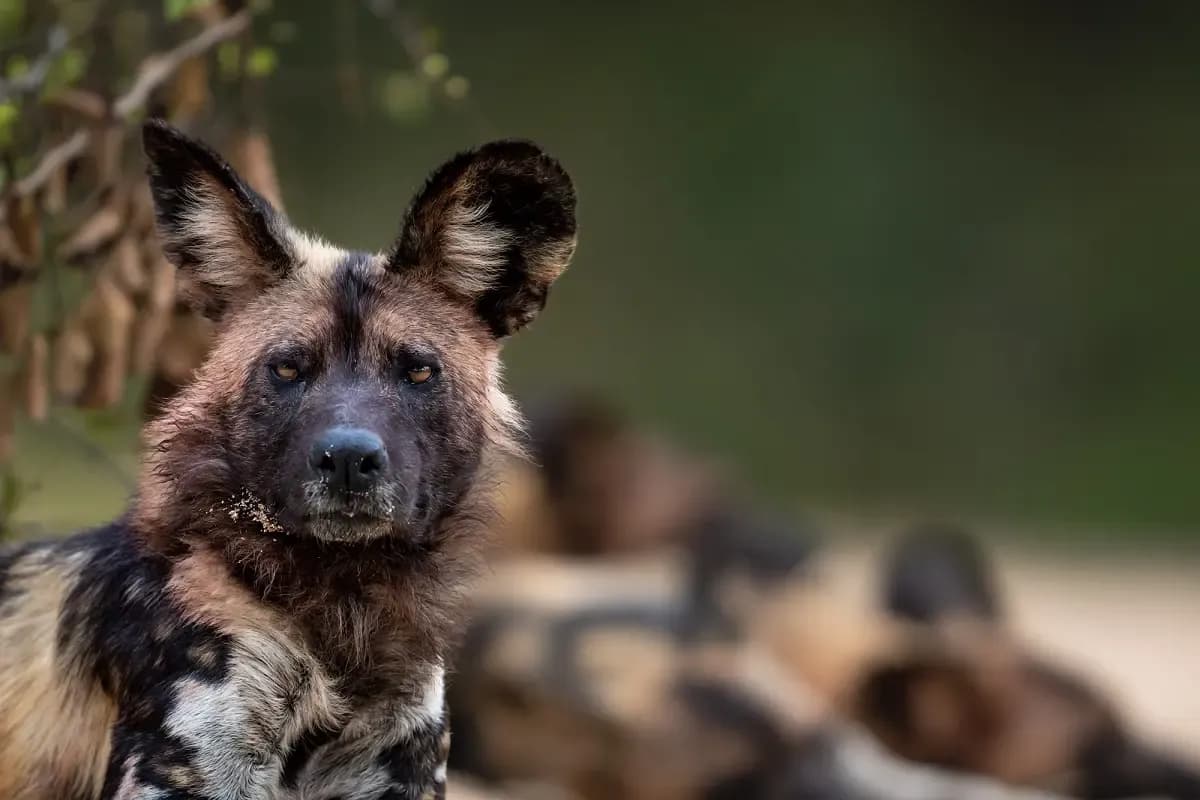
The park covers more than 20,000 square kilometres, much of it added when the Usangu wetlands joined it in 2008. It sits where the southern miombo woodland meets the eastern acacia savannah, so it holds species from both. It is one of the few places where greater and lesser kudu share the same bush, and it is known for its lion and its wild dog.

Continue readingShow less

Why we send guests to Ruaha

The predators are the reason most people come. Lion, leopard, cheetah and wild dog all live here, and with so few vehicles about you can watch them without a queue. Elephants gather along the rivers, and in the dry season they dig for water in the sand.

How we plan it

Ruaha is remote, so most guests fly in, and it deserves at least three nights. We choose camps for what you want from it: walking, fly-camping, or long, quiet days in a vehicle. Not every camp offers every activity, and some do not walk at all because of the number of elephants, so we match camp to guest.

Best months
June to October, the dry season, when game gathers along the rivers. January to April is green, with birds and wildflowers, and some camps close in the long rains.
Getting there
Most guests fly in on a light aircraft from Dar es Salaam, Nyerere or the Serengeti. The road is long and slow, and we rarely suggest it.
How long
Three nights at the least. Four or five lets you walk, fly-camp and still have quiet days.
Pairs well with
Nyerere for water after dry country, the Serengeti for the migration, or Zanzibar to finish.

When to go

The year, usually

Southern Tanzania has a long dry season and heavy rains. Here is what each part of the year means at Ruaha.

January and February

Hot and green. Birds are plentiful, and the animals spread out away from the river. Some camps are open, with few guests.

March to May

The long rains. Roads can become impassable and many camps close for the season.

June to October

The dry season and the heart of the safari year. Animals concentrate on the rivers and the sand-river pools, and the bush is open. Evenings are cool and early mornings can be cold.

November and December

The heat builds and the first rains arrive. The bush greens up and the animals begin to spread out.

Inside the park

Three sides of Ruaha

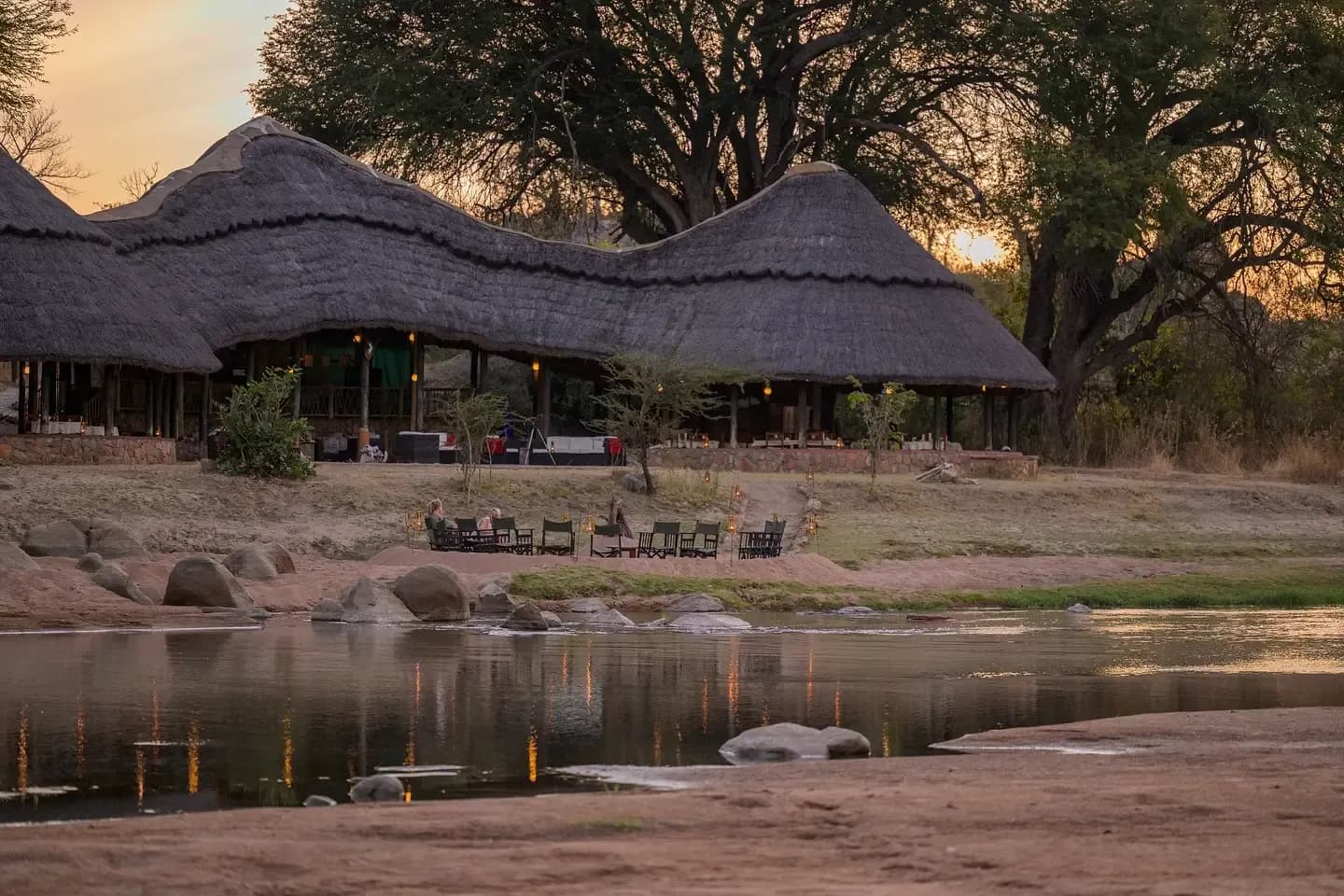
The thatched main building of Ruaha River Lodge at dusk, set back from a rocky river with its reflection in still water

The park’s lifeline · Best June to October

The Great Ruaha River

The river runs through gorges and deep pools, and in the dry season it is the one place every animal needs. Hippo and crocodile fill the pools, elephants come to drink, and lions and leopards wait along the banks. Giraffe, buffalo and kudu follow.

A morning here is a lesson in reading tracks: they tell you who came to drink in the night, and where they went next.

Go early

The riverfront is where most of the park’s few vehicles go, so we leave early and look for the quieter stretches.
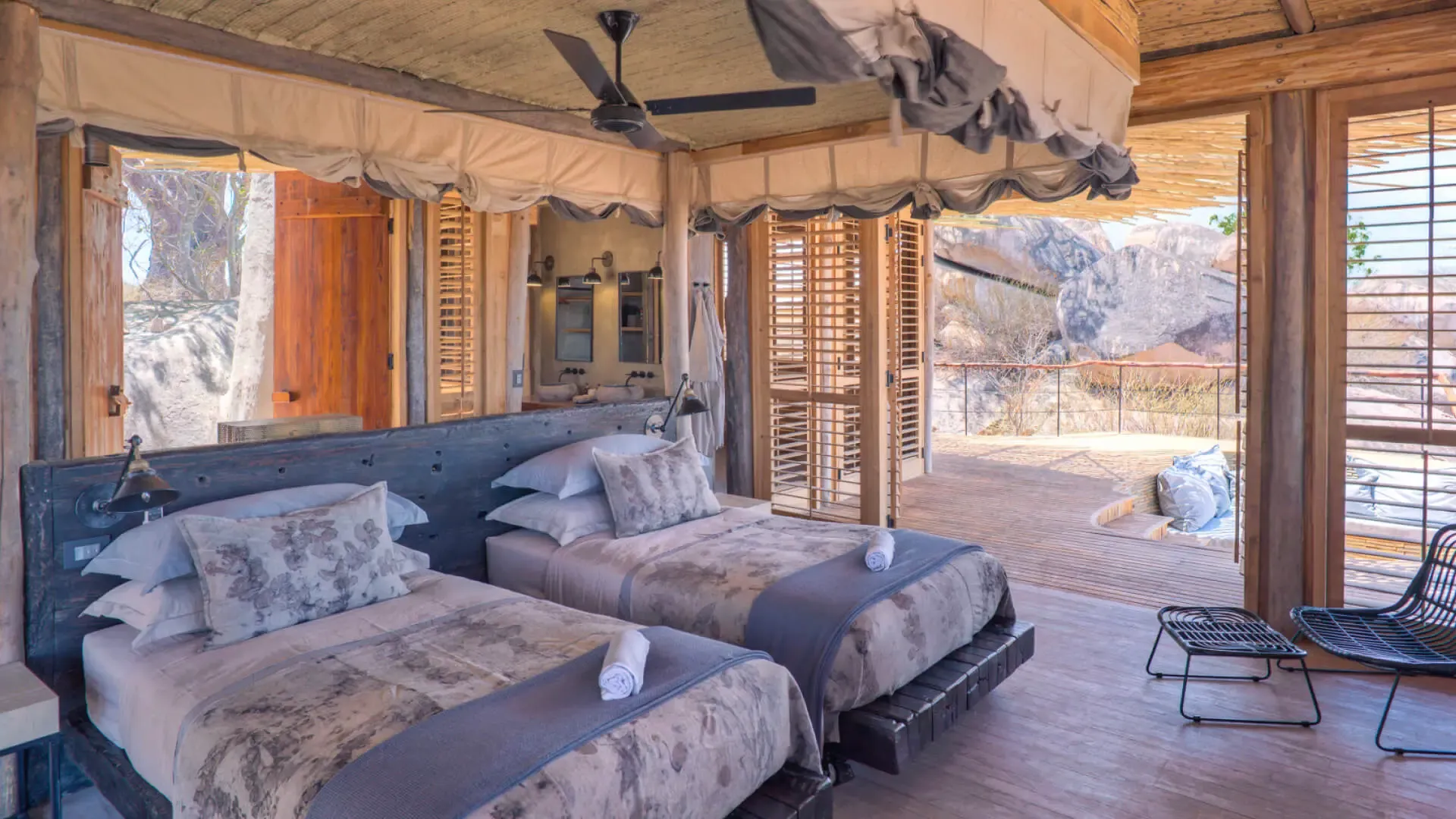
A tented suite with two beds under a fan, opening onto a timber terrace with rocks beyond

Dry riverbeds · Best June to October

The sand rivers: Mwagusi and Mdonya

The sand rivers look empty for much of the year, and they are anything but. Elephants dig for water in the sand, and the animals that need it wait nearby. Leopard are often seen along them, lion use the cover on the banks, and wild dog sometimes come through.

Jabali Ridge sits on a granite kopje close to the Mwagusi River, which makes it a natural base for guests who want predators and a view.

Expect dust

Dust is part of the dry season. Bring a scarf and a lens cloth, and expect to be dusty by lunchtime.

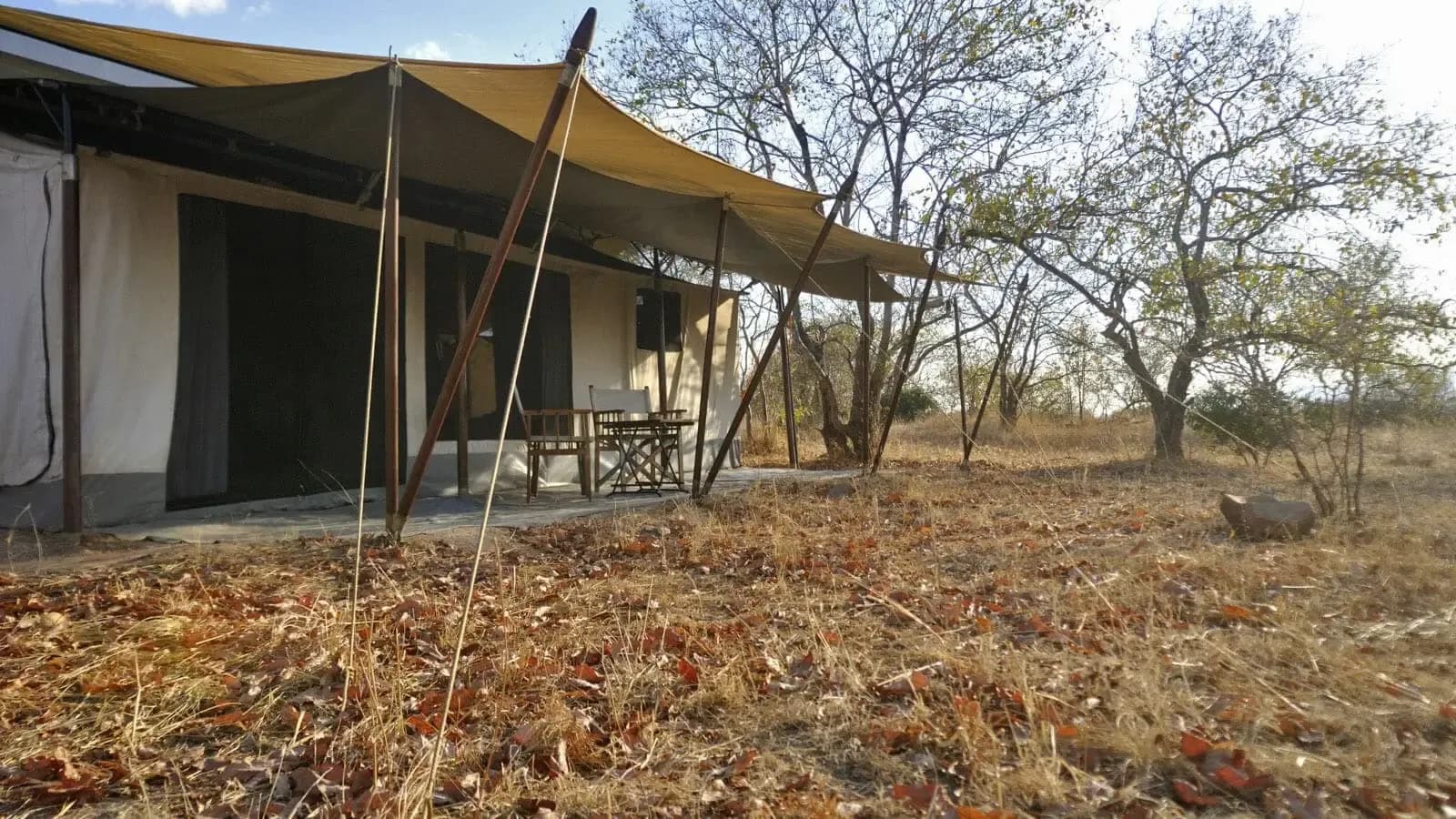
A canvas safari tent with a small table and chairs among dry leafy bush in warm light

The wider park · Good all year

Baobabs, miombo and Usangu

Away from the rivers the park opens into baobab-studded hills, miombo woodland and open grass, where sable and roan antelope are among the less common sightings.

In the east, the Usangu wetlands, added to the park in 2008, are recognised for their birdlife, and the best time to see them is the green months from January to April.

Mind the distance

The park is big and the tracks are slow. We choose one area for each day instead of trying to cover it all.

Where we stay

We choose a camp for what you want from Ruaha: predators and long days in a vehicle, or walks and a night under the stars. Not every camp offers every activity.

Explore more of our camps

What you will do

Beyond the game drive

Game drives

Half and full days with a picnic. The best light, and the best chance of predators, is early and late.

Walking safaris

Guided walks with an armed ranger, offered by many camps. Some camps do not walk because of the number of elephants, so tell us if walking matters to you.

Fly-camping

A night or two under canvas away from camp, offered by some camps. Ask us which.

Night drives

Offered by some camps. Availability depends on the camp, so we check before we place you.

A typical day

A day at Ruaha, usually

Ruaha runs on the river’s timetable. This is the shape most days take.

  1. Before dawnCoffee by the fire, and the first light on the rocks.
  2. First lightOut along a sand river, where the night’s tracks are still fresh.
  3. Mid-morningBreakfast on a riverbank, with elephants nearby if you are lucky.
  4. MiddayRest through the heat, with a book and a view.
  5. Late afternoonA second drive, or a short walk where the camp offers it.
  6. EveningA fire, dinner and, if the night is kind, the sound of lions.

Good to know

Remote

Ruaha is far from everything. Allow for flights, and do not squeeze it between two other stops.

Heat and rain

The dry months are dusty and hot by day, with cold early mornings. The long rains close roads and many camps.

Few camps

There are only a handful of camps in the park, so plan ahead for the dry season.

Who it suits

Who it suits

Honeymoon

A private, wild start with very few other guests. Choose a camp on a kopje or beside a sand river, and let the days run long.

Honeymoon safaris →

Family

Best for older children who enjoy long, quiet drives and the story of the predators. Walks and fly-camping depend on each camp’s age rules, so we check first.

Family safaris →

Friends

A good choice for friends who want proper wilderness: a few camps, big skies and not many people.

Friends safaris →

Ruaha: what people ask us first

When is the best time to visit Ruaha?

June to October, when the dry season draws game to the rivers. January to April is green and good for birds, but some camps close in the long rains.

How do we get to Ruaha?

Most guests fly in on a light aircraft from Dar es Salaam, Nyerere or the Serengeti. The road is long and slow, and we rarely suggest it.

Can we walk in Ruaha?

Yes, at many camps, with an armed ranger. A few camps do not walk because of the number of elephants, so tell us if walking matters and we will choose accordingly.

Is Ruaha better than the Serengeti?

It is different. The Serengeti has the migration and more variety. Ruaha has fewer vehicles, strong predator viewing and a wilder feel. Many guests do both.

How long should we stay?

Three nights at the least. Four or five gives you time for walks, fly-camping and quiet days.

Tell us how wild you want it. We will tell you which Ruaha camp fits.

Send us your dates and who is coming. Goodluck will come back with a route, and the reasons behind every camp on it.

Begin the conversation

+255 753 744 283 · hello@easguides.travel

Your trip shortlist is empty