+255 753 744 283 | Mon–Fri 8:30AM–5PM · Sat 9AM–4PM EAT
EAST AFRICA · EST. 2021

Your Experiences

Nothing added yet — experiences you add from any page will appear here.

Two climbers high on Kilimanjaro above the clouds, snow fields and a distant peak behind

Mount Kilimanjaro

The roof of Africa, climbed at the pace your body asks for.

Why Kilimanjaro

A mountain that rewards patience

Kilimanjaro rises 5,895 metres from the plains, the highest mountain in Africa and the highest free-standing mountain in the world. You do not need ropes or technical skill to climb it. You need time, steady fitness, good guides and the patience to walk slowly.

In a week you pass through five climate zones, from farmland and rainforest through heath and moorland to alpine desert and a summit of rock and ice. The challenge is rarely the steepness. It is the altitude, and altitude answers to time.

Continue readingShow less

We do not sell the short climbs

We recommend eight days or more, because the extra days give your body time to adjust and give you a better chance of standing on the summit. If you have fewer days, or want a different route, tell us. Our team will talk through the options with you.

How we plan it

We run every route on the mountain, so the choice is one we make with you, not for you. We look at your dates, your fitness, how you feel about camping and crowds, and what you want to do afterwards.

Best months
January to early March and June to October are the driest windows. April, May and November bring the rains.
Getting there
Fly into Kilimanjaro International Airport. Moshi and Arusha are the usual bases, and the trailheads are within a few hours’ drive.
How long
Eight days or more. Extra days help your body adjust. If you have fewer, talk to us.
Pairs well with
Mount Meru before, and a safari or the coast afterwards.

When to go

The year, usually

Kilimanjaro has two dry windows and two wet seasons. The mountain makes its own weather, so these are tendencies, not promises.

January to early March

Often dry and clear on the mountain. A popular window, with very cold summit nights.

Mid-March to May

The long rains. Cloud, wet paths and the fewest climbers. A drier route such as Rongai is the usual choice if you must go now.

June to October

The driest and most settled months, and the busiest. Cold, clear nights and the best chance of views from the summit.

November and early December

The short rains. Showers lower down, trails that are quieter, and a busier mountain towards the holidays.

The routes

Six routes, none of them best for everyone

Listed alphabetically, because the right route depends on your dates, your fitness and what you want from the mountain. We run all of them, and variations on them.

RouteUsual lengthApproachWhere you sleepWhat it is like
Lemosho7 to 9 daysWestCampingStarts in rainforest on the quiet western side and crosses the Shira Plateau before joining the southern circuit. Gradual and scenic, with time to adjust.
Machame6 to 7 daysSouth-westCampingSteep and scenic. It climbs high to Lava Tower, sleeps lower, and crosses the Barranco Wall. The most popular route, so it is busy.
Marangu5 to 6 daysSouth-eastHutsThe only route with huts. A steady slope, up and down the same path. Short on time to adjust, which is why extra days help.
Northern Circuit9 or more daysNorth-westCampingThe longest route, curving round the quiet northern slopes. The most time to adjust, and the fewest people.
Rongai6 to 7 daysNorthCampingThe only northern approach, from near the Kenyan border. Drier, gentler and quiet, and often chosen in the rainy months.
Umbwe5 to 6 daysSouthCampingThe shortest, steepest and most direct route. It gains height fast, so adjusting is hard. Best for experienced hikers.

Usual length is the standard itinerary. We recommend eight days or more on any route, because extra days help your body adjust. If you have fewer, our team will talk through the options with you.

On the mountain

Four stages of the climb

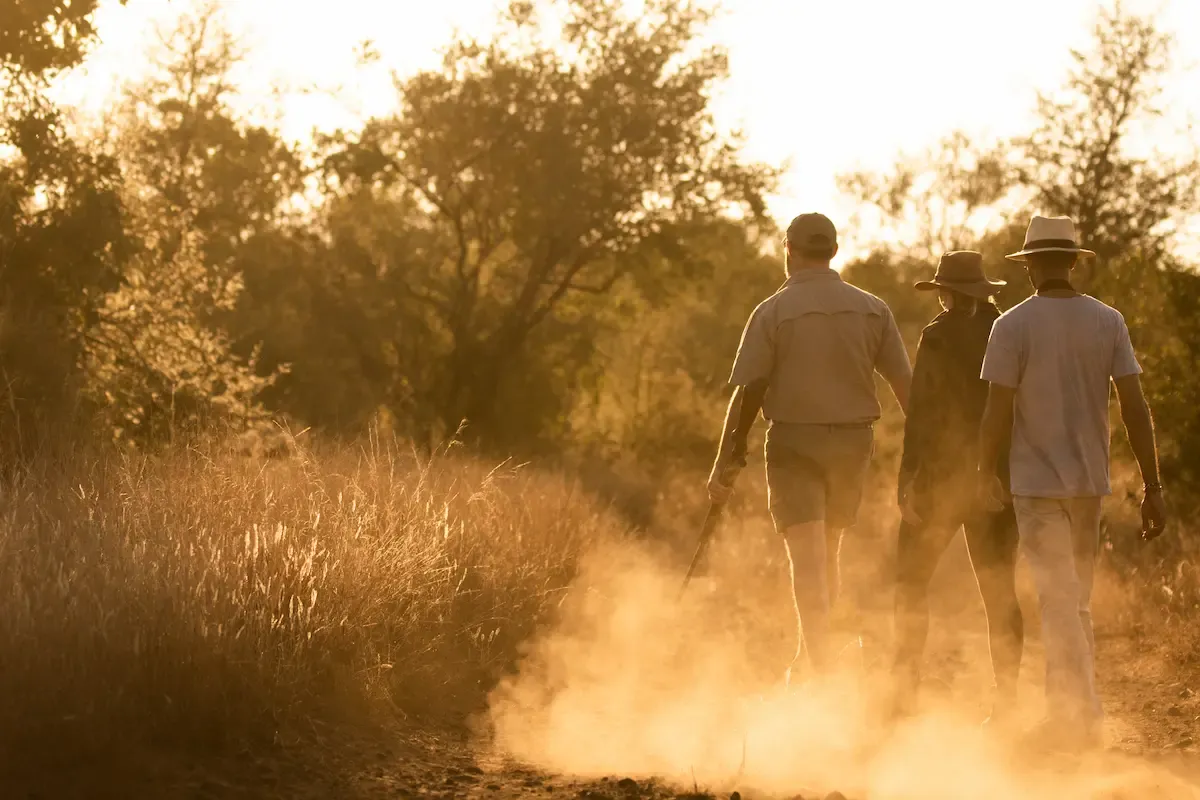
Three people in hats walking on a dusty track among bush in low golden light

The lower slopes · The first days

The rainforest and the heath

You start in the forest. The path climbs through wet, mossy rainforest where blue monkeys and colobus can be seen, then out into heath, where the trees thin and the air cools.

These are the easy days, and they are the days to go slowly. Walking at a pace that feels too gentle is the most useful thing you can do.

Pace yourself

The mountain does not reward speed. Your guides will tell you to go slowly, and they are right.
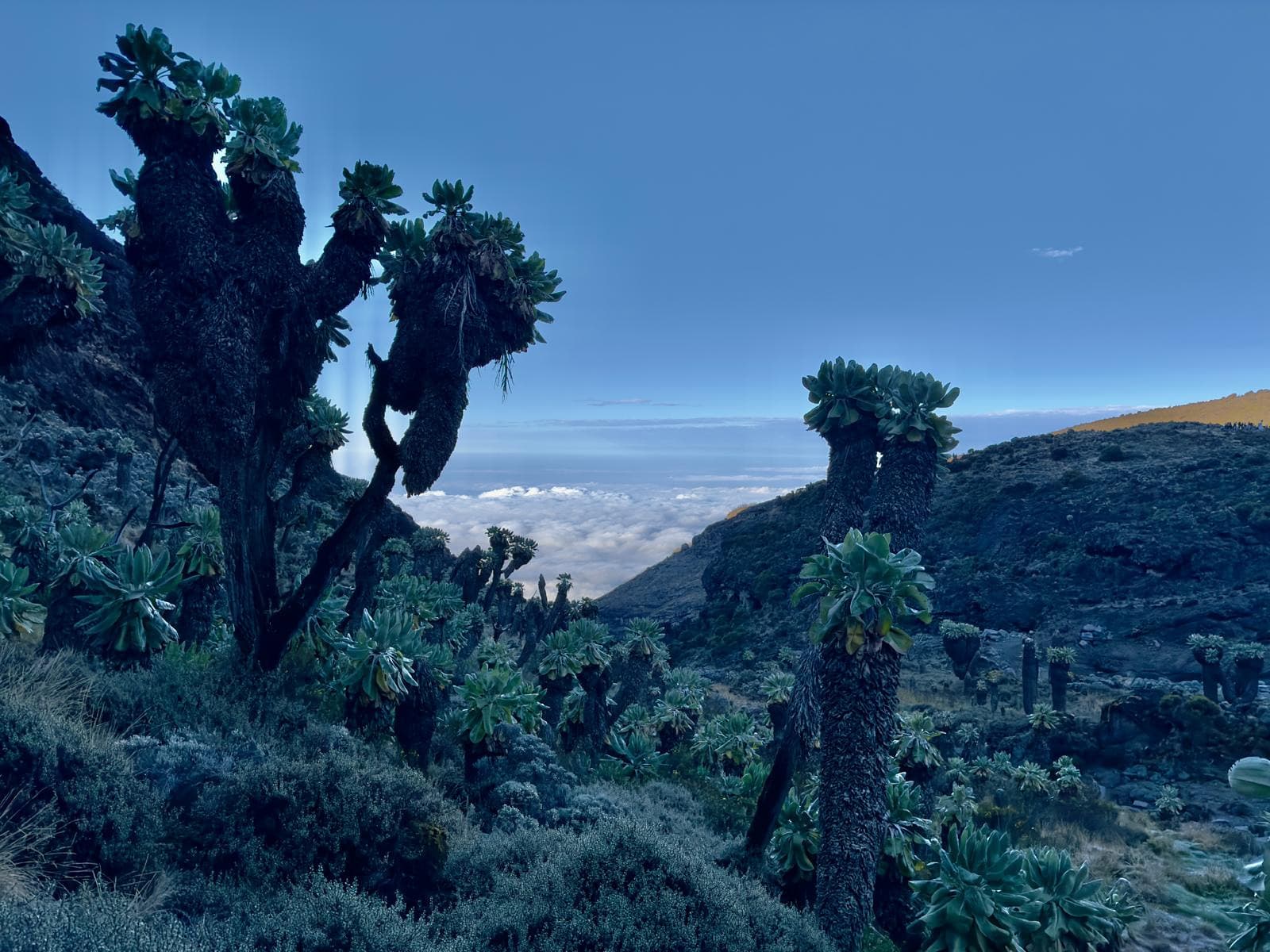
Giant groundsel plants on Kilimanjaro's slopes above a sea of cloud

The middle days · Where the climb gets serious

Moorland and alpine desert

Above the heath the landscape opens into moorland, with giant groundsels and lobelias, then thins into alpine desert: bare rock, dust and enormous views. The air is thinner, and the nights are cold.

Most routes climb high and sleep lower during these days. That is deliberate: it is how the body learns to cope with altitude.

What helps

Drink more than feels natural, eat even when you are not hungry, and tell your guide how you feel.

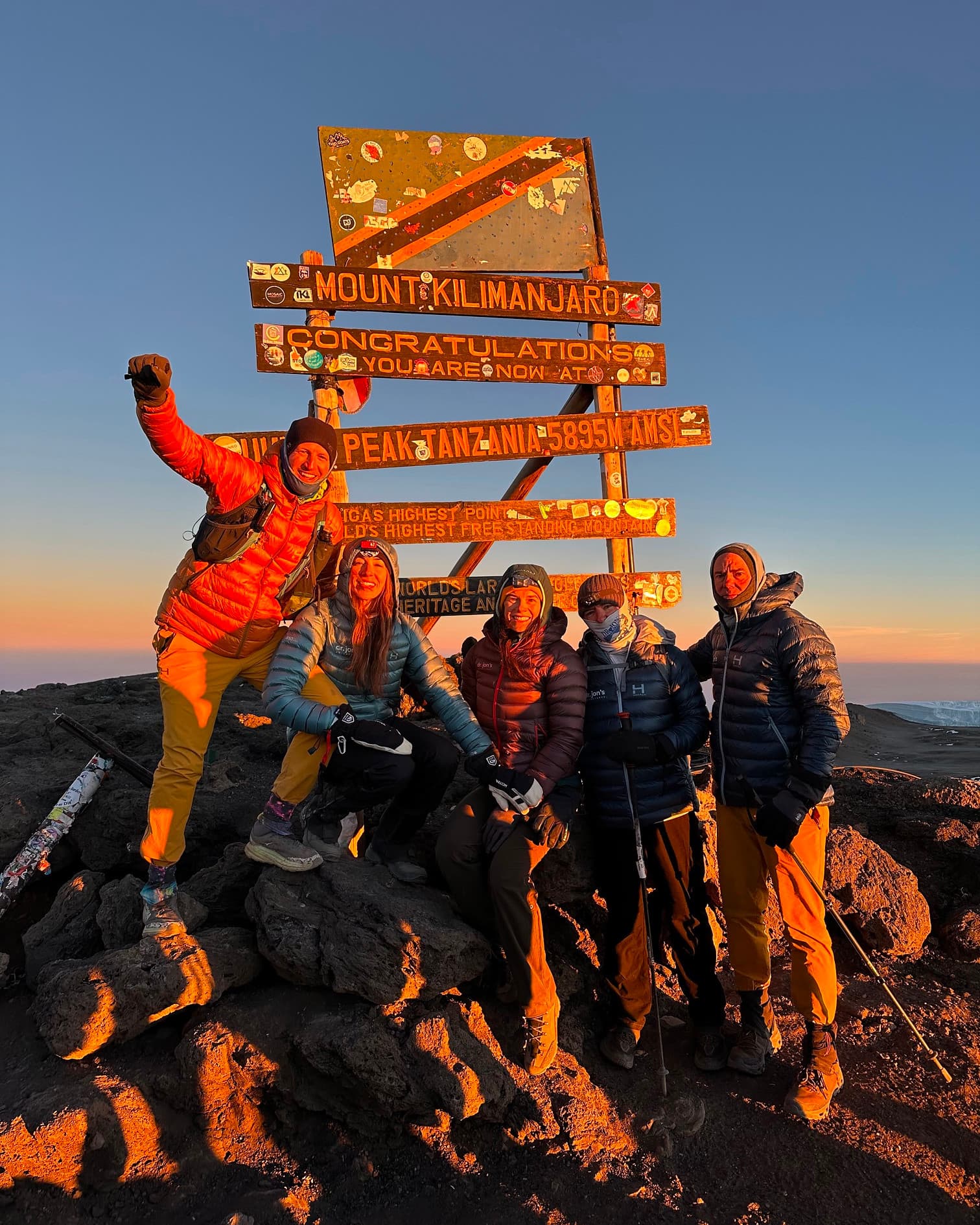
Five climbers at the Uhuru Peak sign on Kilimanjaro in golden light, 5,895 metres

Barafu or Kibo, then Uhuru Peak · A midnight start

Summit night

The final climb begins around midnight, in the dark and the cold, by headlamp. It is steep and slow, and it can take six to eight hours to reach the crater rim at Stella Point or Gilman’s Point, depending on the route.

From the rim, a further walk along the crater edge leads to Uhuru Peak at 5,895 metres, usually as the sun comes up.

Take this seriously

Summit night is the hardest part of any route. Temperatures are well below freezing and the altitude is extreme. Rest well before it, dress for it, and tell your guide the truth.

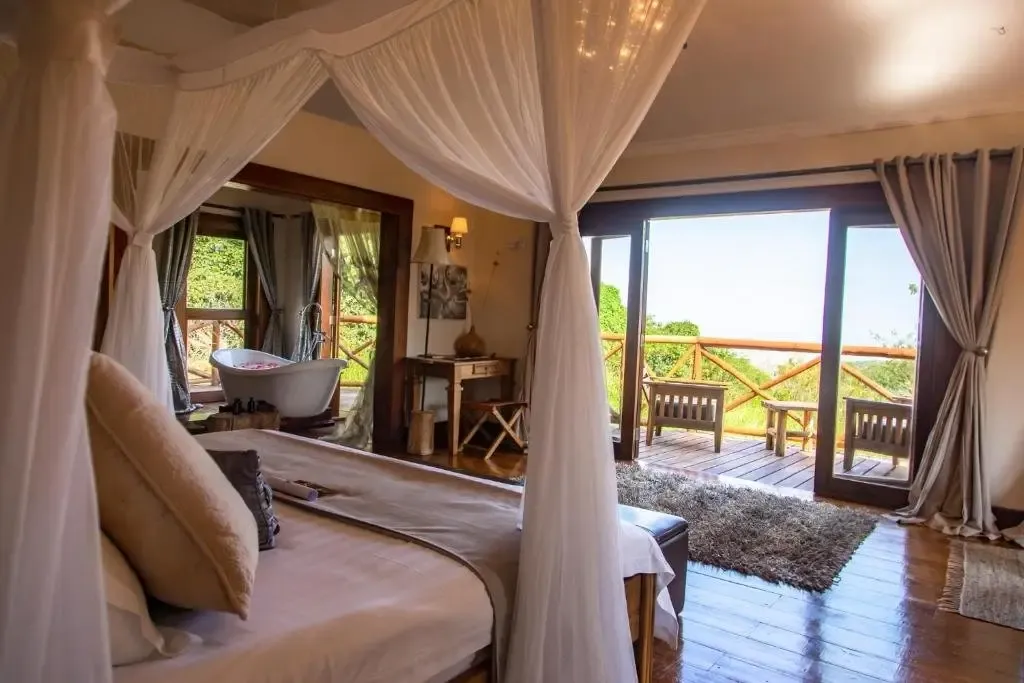
A four-poster bed under a white mosquito net, with open doors to a balcony and a hazy view beyond

Back down in a day · Recovery

The descent

After the summit you walk back down to a lower camp, often the same day, and continue to the gate the next morning. Your legs will ache, but every step brings thicker air and warmer weather.

A safari with long, slow mornings is a very good way to recover.

Afterwards

Allow a rest day in Moshi or Arusha before a flight home or a safari.

Explore more of our camps

How we look after you on the mountain

Your guides check every climber, every day. They use a pulse oximeter, ask how you are feeling, and watch for the signs of altitude sickness. Emergency oxygen goes up the mountain with every team, and each climb runs with a set guide-to-climber ratio.

What we ask of you is simple: tell your guides honestly how you feel. Altitude sickness can arrive quickly, and turning back is a sound decision.

One group, several teams

We take couples, solo climbers and groups. When a group is larger than ten, we split it into several teams, each with its own guides, porters and pace, and we coordinate them as one party.

The fast and the slow are never held to the same pace, and everyone is still part of the same trip.

The porters who make it possible

Porters are the backbone of every climb. They carry the tents, food, water and your kit, and they do more than anyone to make the trip a success.

We treat our porters fairly and equally, and we leave nothing to chance when it comes to looking after them.

What you will do

Before and after the climb

Before: Mount Meru

A three-to-four-day climb in Arusha National Park, with a ranger, is a good way to adjust to altitude before Kilimanjaro.

Before: a rest day

A day in Arusha or Moshi to arrive, sort your kit and meet your guides is time well spent.

After: a safari

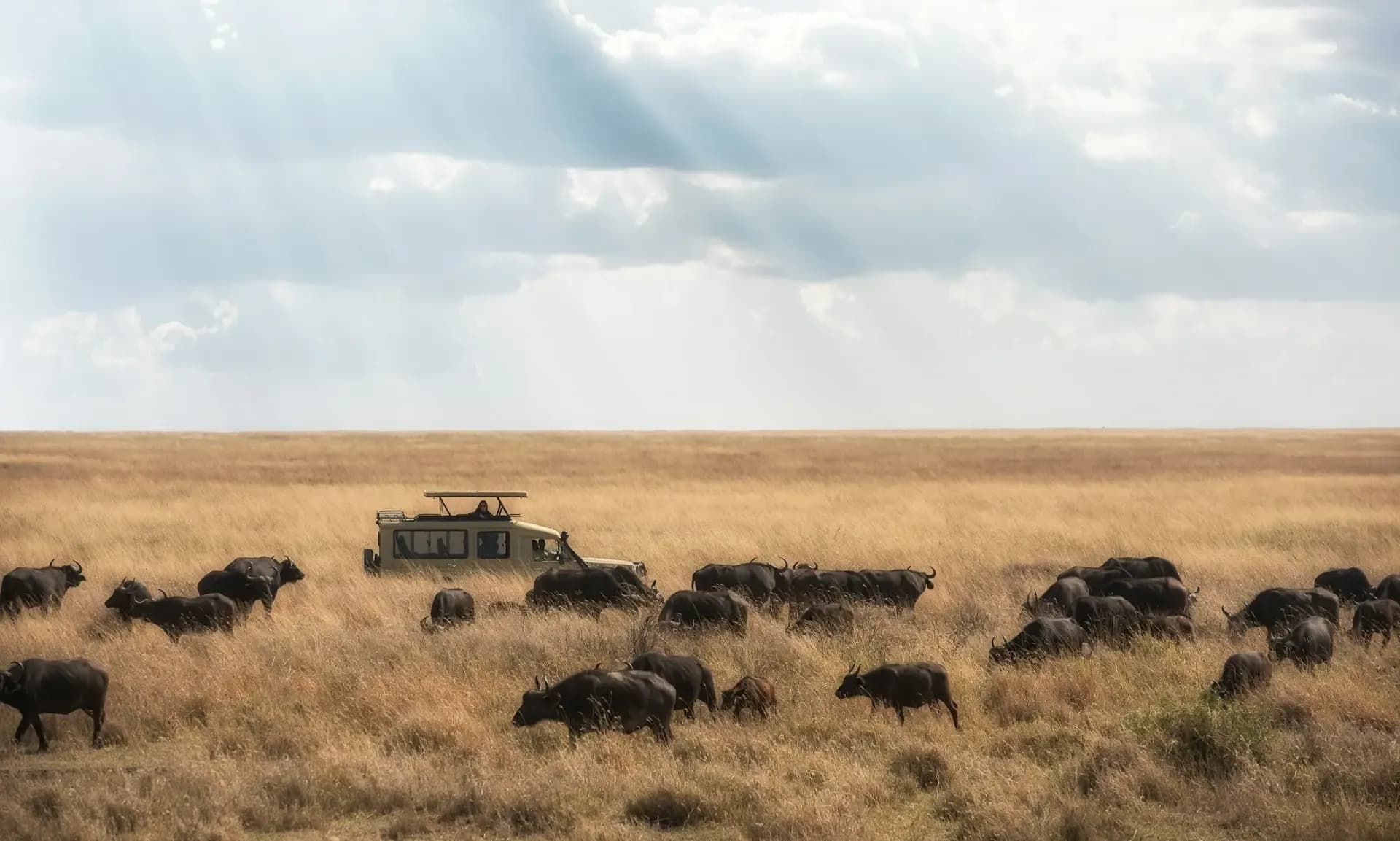
Tarangire, the Serengeti or Ngorongoro, with slow mornings while your legs recover.

After: the coast

A few days on Zanzibar or a private island to finish.

A typical day

A day on the mountain, usually

Climbing days follow a steady rhythm. This is the shape most of them take.

  1. Early morningA hot drink at the tent door, and a health check.
  2. BreakfastSomething warm and filling, then boots on.
  3. MorningSeveral hours of steady, slow walking, with stops for water and for the view.
  4. MiddayLunch on the trail or at camp, depending on the day.
  5. AfternoonArrive at camp, wash, rest and drink plenty.
  6. EveningDinner, another health check, and an early night.

Good to know

Cold and kit

Nights at the high camps are well below freezing. Layers matter more than any single item, and we will talk you through what to bring.

Fitness

You need good general fitness and the will to walk slowly for many days. Walking with a loaded pack helps more than almost anything else.

Weather

Even in the dry windows the weather on a mountain can change within hours. Pack for rain and for cold.

Insurance

Every guest must have premium travel insurance before they travel. For a climb, your policy should cover medical care and emergency evacuation at altitude. Ask us if you are unsure what to look for.

Who it suits

Who it suits

Honeymoon

Couples who want a shared challenge before a safari or the coast. A longer route gives you time to talk and walk together.

Honeymoon safaris →

Family

The park sets a minimum age for climbers, and we confirm it before you plan anything. We would choose a longer, gentler route for younger climbers.

Family safaris →

Friends

One group, several teams, one plan. Large groups climb as separate teams, so everyone can go at their own pace.

Friends safaris →

Kilimanjaro: what people ask us first

Which route should we choose?

There is no best route, only the best one for you. Longer routes give more time to adjust to altitude. We run them all and will go through your dates, your fitness and your priorities with you.

How many days do we need?

We recommend eight days or more, because extra days help your body adjust. If you have less time, or want a shorter route, our team will talk through the options with you.

How hard is it?

You need no ropes or climbing skills, but it is a long, steady walk at altitude, and summit night is demanding. Fitness helps, and patience helps more.

What happens if someone gets altitude sickness?

Guides check every climber daily with a pulse oximeter and watch for symptoms. Emergency oxygen is carried, and if a climber is unwell the guides decide on the safest course, which often means going down.

Can a large group climb together?

Yes. Groups larger than ten are split into several teams, each with its own guides, porters and pace, coordinated as one party.

Can we climb as a couple or on our own?

Yes. Couples, solo climbers and groups are all welcome.

Do we need travel insurance?

Yes. Every guest must have premium travel insurance before they travel. For a climb, your policy should cover medical care and emergency evacuation at altitude. If you are unsure what to look for, ask our team.

When is the best time to climb?

January to early March and June to October are the driest windows. The rains, April, May and November, make the mountain wetter and the paths slippery.

Tell us your dates and how you like to climb. We will tell you which route fits.

Send us your dates and who is coming. Goodluck will come back with a route, and the reasons behind every camp on it.

Begin the conversation

+255 753 744 283 · hello@easguides.travel

Your trip shortlist is empty