Settle
Arusha, Tarangire, the crater rim · Two to four nights
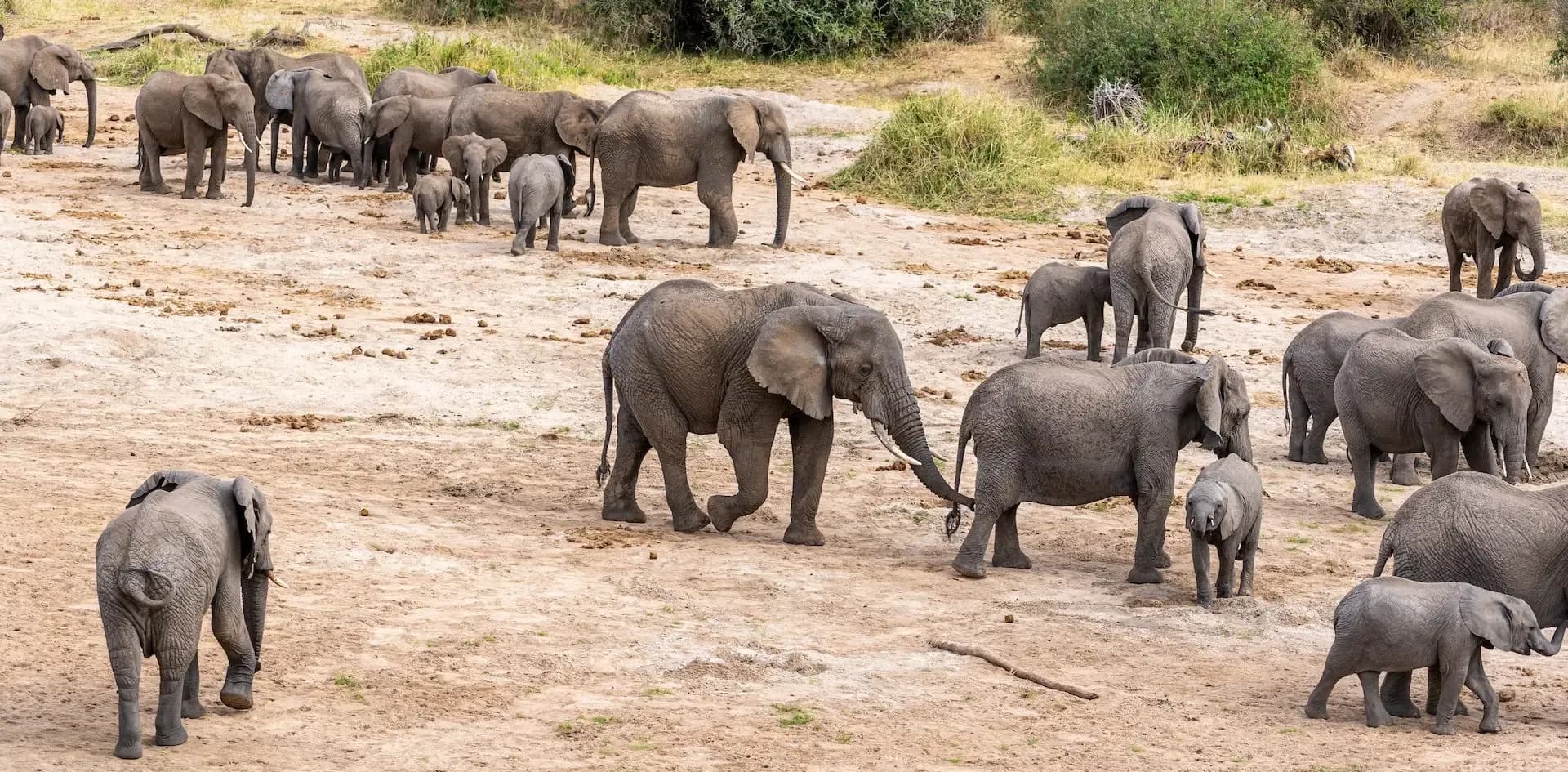
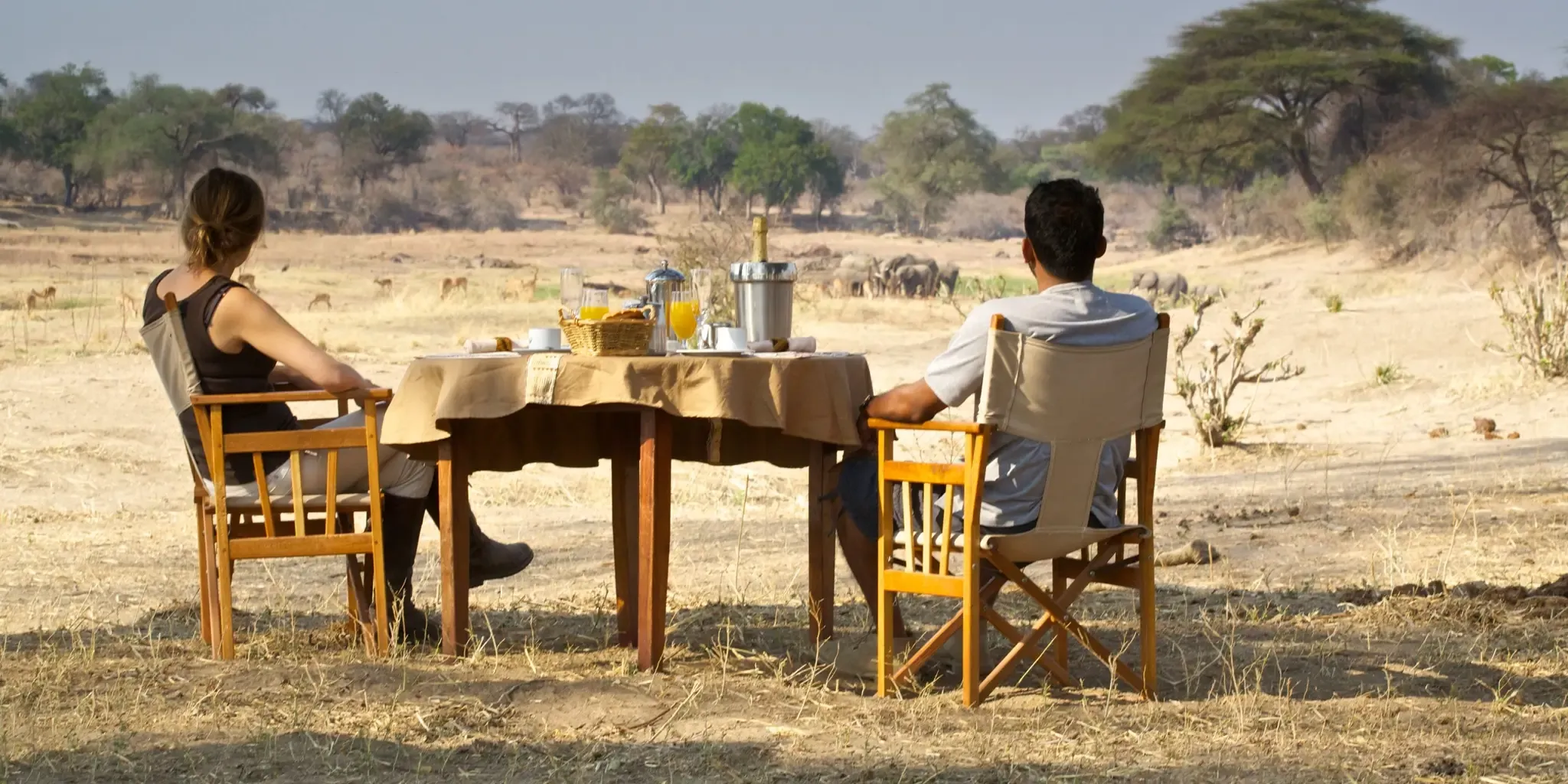
Nobody has to be clever on the first day. Tarangire is about two hours from Arusha, and its elephants and baobabs are a gentle first lesson in how slowly a safari moves.

Your Experiences
Nothing added yet — experiences you add from any page will appear here.
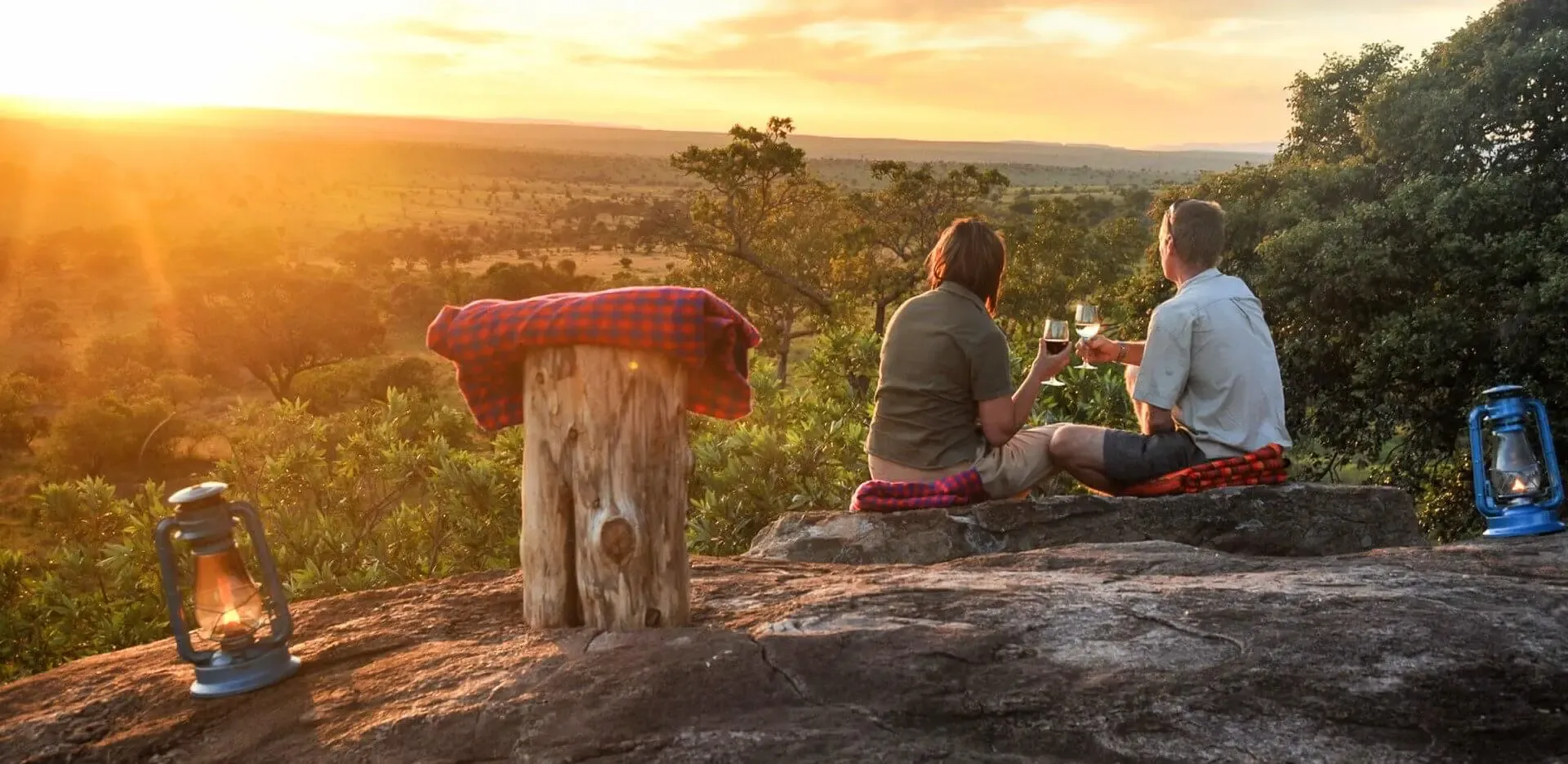
You have planned a wedding. Let us plan the honeymoon.
A private safari for two, with your own guide and vehicle, camps set well apart, and the Indian Ocean at the end of it.
Where to begin
Between the venue, the guest list and the flights, the honeymoon tends to get planned late at night, on a laptop, with forty tabs open. Every camp looks beautiful. Every itinerary looks roughly the same. Prices are hard to compare, and nobody tells you which choices matter and which only feel as though they do.
Four choices matter. Everything else is detail. We help you make them in this order, and we are honest about what each one costs you.
Why Tanzania
Tanzania gives you range inside one country. There are the plains of the Serengeti, with the Great Migration somewhere in them in every month of the year. There is the Ngorongoro Crater, and elephants among the baobabs at Tarangire. And when you want to stop looking at things, there is the Indian Ocean, from Zanzibar and Pemba to islands with a single camp on them. One team plans all of it, from Arusha, so the pieces fit together.
Somewhere between drives you will probably see a small antelope, no taller than your knee, standing very still beside another. Kirk’s dik-diks live in pairs, and a pair can keep the same patch of thicket for life, if nothing goes wrong. They mark the edge of it together, in a ritual both take part in, and the ritual is part of what holds the pair together. Their name is the alarm call they make when something is wrong. They live a long way down the food chain, with lion and leopard close by, and they get on with it side by side.
You will have time to notice things like that. That is most of what a honeymoon safari is for.
The shape of it
The routes we suggest follow the same rhythm, with the lengths changed to suit the two of you. A typical shape: two nights in Tarangire, one or two on the crater rim, three or four in the Serengeti and three or four on the coast.
Arusha, Tarangire, the crater rim · Two to four nights
Nobody has to be clever on the first day. Tarangire is about two hours from Arusha, and its elephants and baobabs are a gentle first lesson in how slowly a safari moves.
The Serengeti · Three to five nights in one or two zones
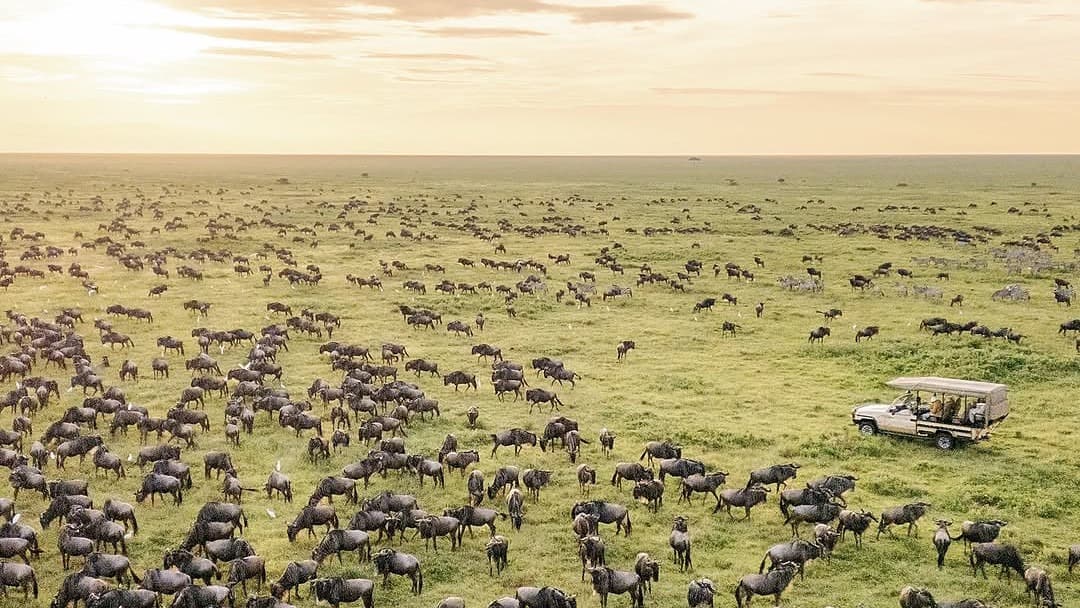
This is where the month decides the place: calving on the southern plains from January to March, the Grumeti River from May to July, the Mara River in the north from July to October. Our Serengeti guide explains each zone.

Zanzibar, Pemba or Mnemba · Three to four nights
Nothing is scheduled. We pick the coast and the month together, because the beaches behave very differently from one coast and one month to the next.
North or south
Most honeymoons begin in the north, around the Serengeti and the crater. If privacy matters more to you than the size of the herds, the south deserves a serious look.
Serengeti, Ngorongoro, Tarangire
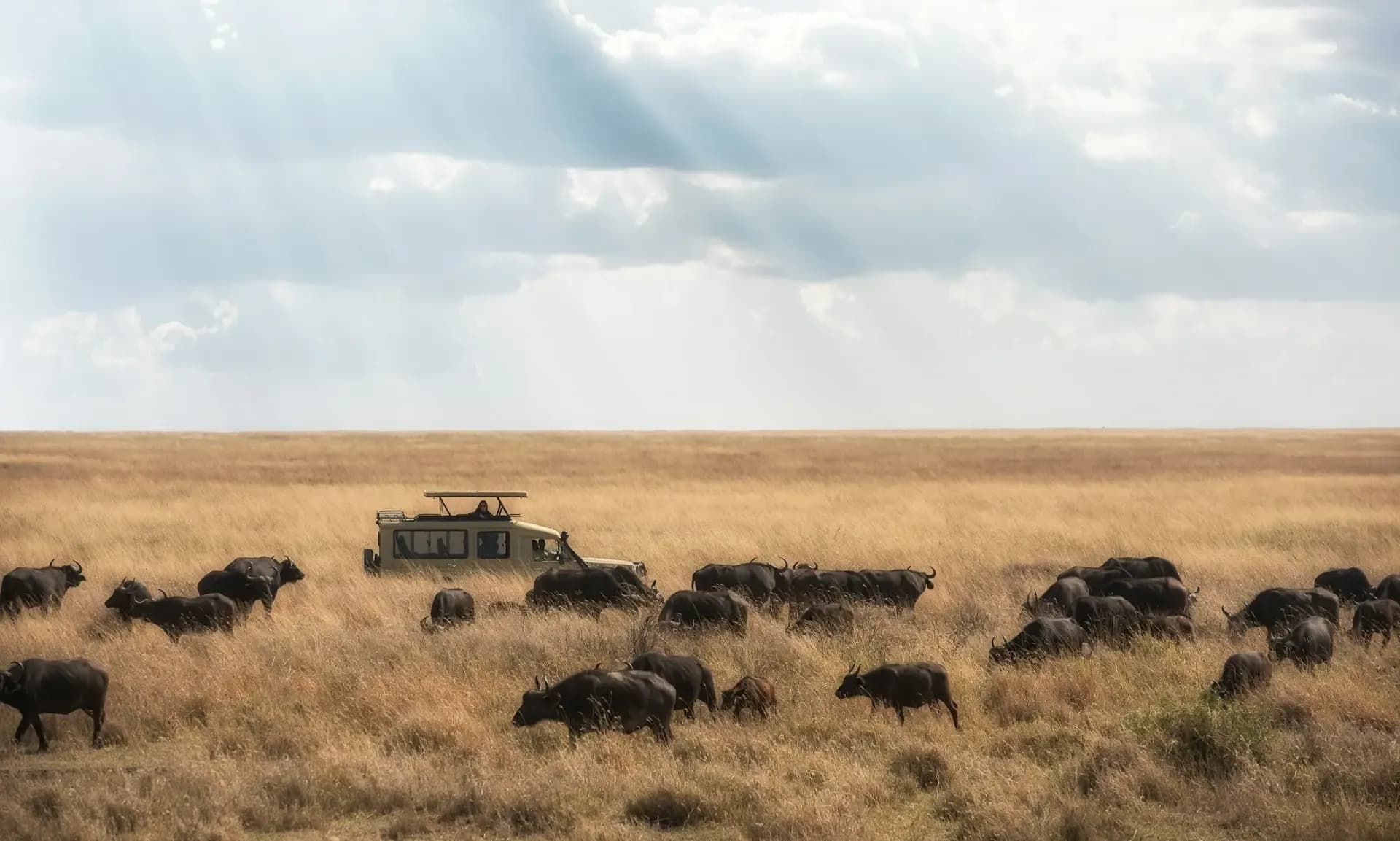
Scale and variety: the Great Migration, the crater, the widest choice of camps, and the easiest way in. It is also where most visitors go, so we choose the zone, the month and the camp with care. By road, by air, or both.
Ruaha and Nyerere (the Selous)
Fewer camps and far fewer vehicles. Boat safaris on the Rufiji, walks with an armed ranger, and fly-camping at some camps, with lion and wild dog in the right season. It feels wilder and quieter. There is no migration, and most camps close for the long rains, so it is a dry-season choice.
Nyerere is a short flight from Zanzibar and Dar es Salaam, so the bush and the beach sit close together. You spend the days on the water and on foot rather than in a vehicle, and the move from camp to coast takes a morning, not a day. Ruaha adds a second, drier kind of wilderness if you have the time.
What you give up: the migration, the crater, and the sheer numbers of animals on the northern plains. The south is fly-in, and it suits a ten to twelve day trip well.
A day, usually
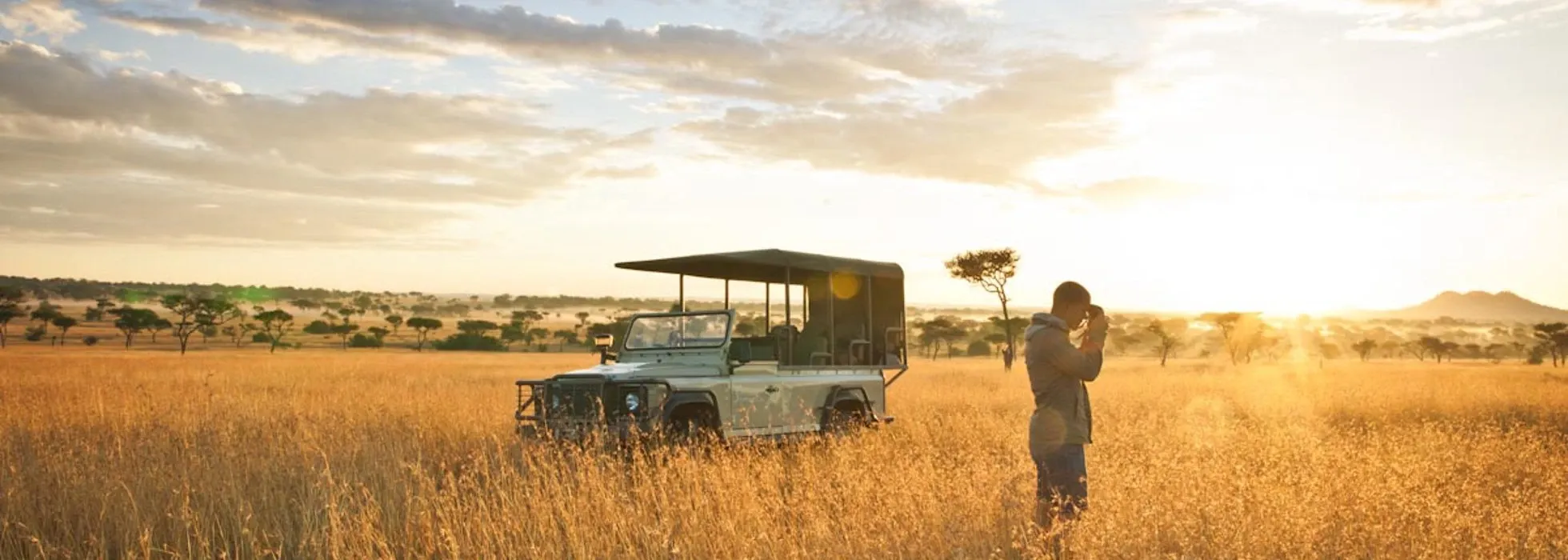
No two days are the same, and the animals keep their own timetable. This is the shape most of them take.
A hot drink brought to the tent. The plain is still grey, and the air is cold enough that you will want the same blanket.
The vehicle is yours. You leave a sighting when you are ready to, and not before.
Back at camp. Lunch, a long rest, a book, the deck. The heat does the scheduling.
A second drive, or none. The light is better now than at any other hour.
A fire, a table for two, or with the other guests if you prefer, and the sound of the plains.
How you move
First-time safari couples often get stuck here, and there is no single right answer. It depends on how many days you have and how you feel about long roads.
| Factor | Fly in, by light aircraft | Overland, by private vehicle |
|---|---|---|
| Time | About an hour in the air from Arusha to the Serengeti, so more of each day is yours. | A full day on the road to the central Serengeti, often eight hours or more. |
| Comfort | Small aircraft, warm air and the odd bump. Short, and you land close to camp. | Dust and rough tracks. The road to Tarangire and the crater is short, and often part of the pleasure. |
| Luggage | Usually 15 kg per person in soft bags, hand luggage included. Some airlines allow more. | One soft bag each plus a day bag is easiest. Nobody weighs it. |
| Cost | Flights are an added cost, higher again on a private charter. | No flight costs. The vehicle and guide are already part of the trip. |
| What you see | The land from above, and a short drive from the airstrip. | The country between the parks, and wildlife on the way. |
| Suits | The Serengeti, the coast, a shorter trip, a long-haul arrival. | The first leg, Tarangire and the crater, or a tighter budget. |
Many honeymoons use both: the road for the first leg, where the drive to Tarangire and the crater is short and part of the experience, then a light aircraft into the Serengeti and on to the coast. If you are tired from a long-haul flight, or have a bad back, tell us, and we will lean towards the air.
Where you sleep
We choose by how far the next tent is, what you see from the bed, and how many other guests share the day. Six kinds of place cover most honeymoons, in the north, the south and on the coast.
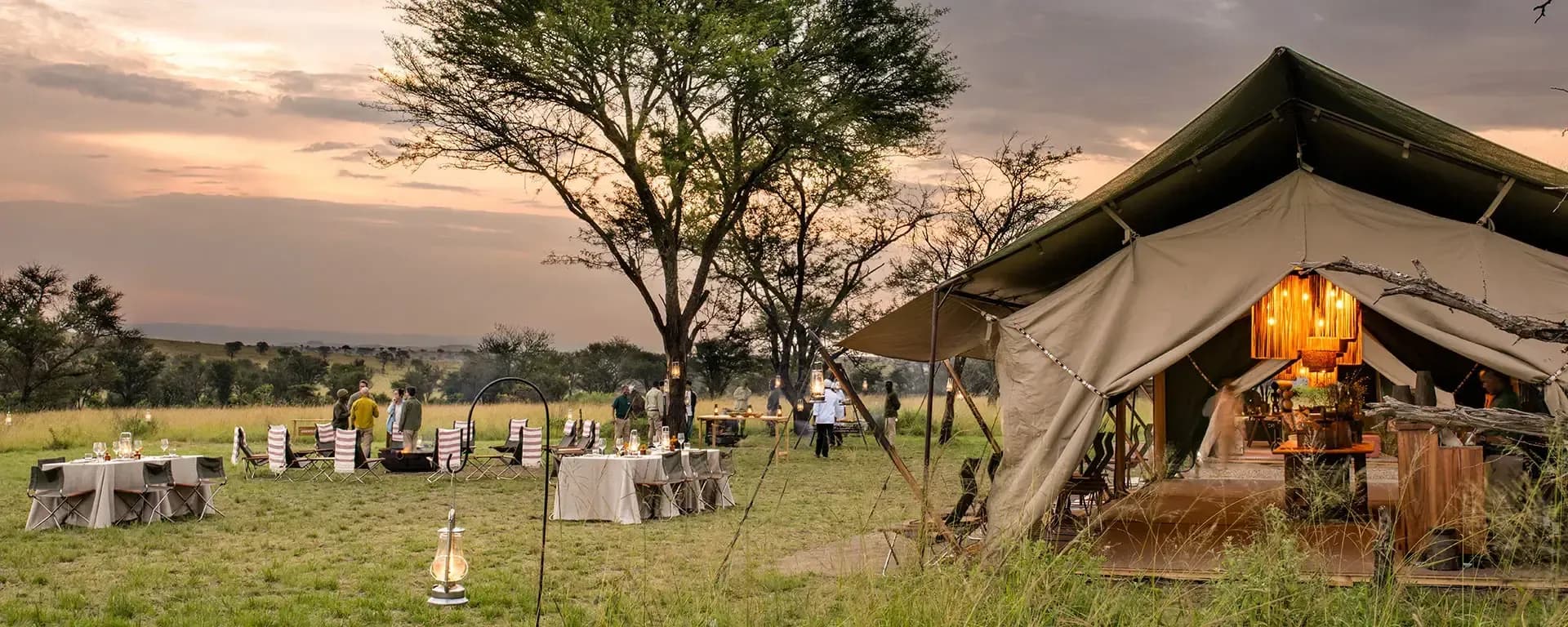
Lamai Serengeti, Sayari Camp and TAASA Lodge.
The Mara River in the dry months, few roads and fewer camps. A few camps here offer guided walks, which is rare inside the park.
Where we stay
 Photo: Peter Jackson
Mwiba, Sasakwa and Faru Faru.
Night drives and off-road driving, which the national park does not permit, and usually fewer vehicles at a sighting.
Where we stay
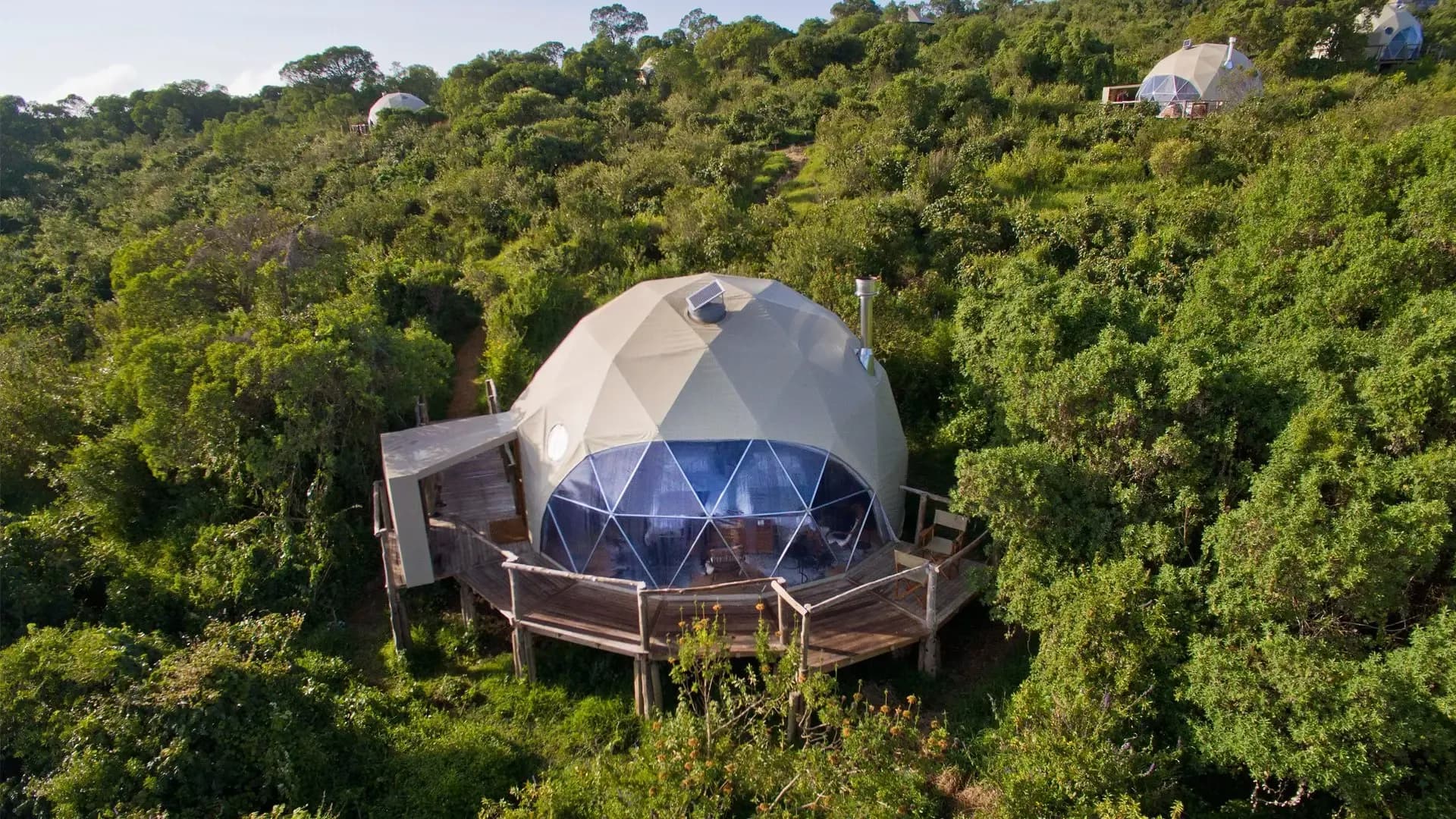
The Highlands, on the rim.
Cold, high and often above the cloud at dawn. One morning in the crater, then a quiet evening on the rim.
Where we stay
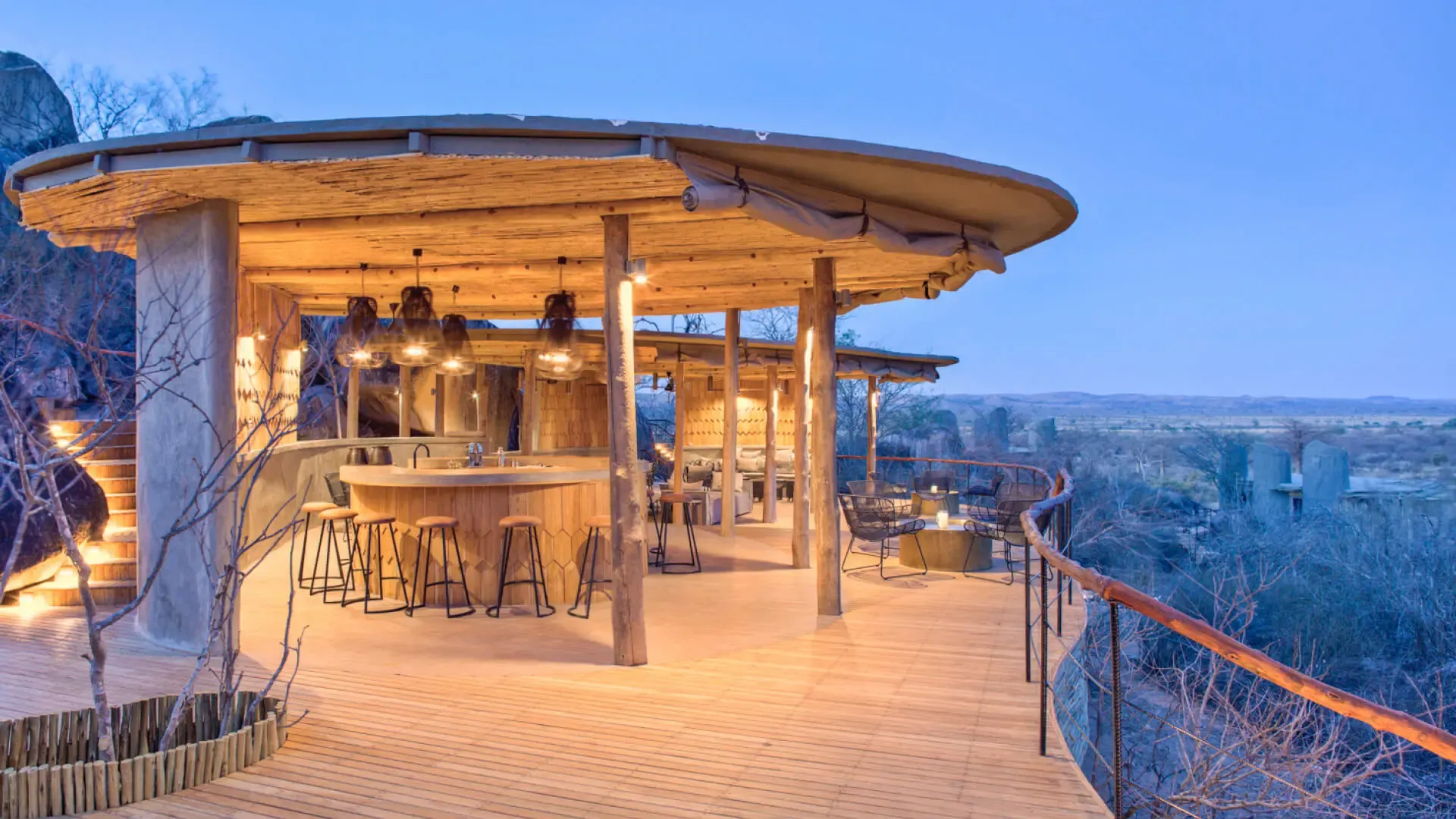
Jabali Ridge and its neighbours.
Baobabs, granite and sand rivers, and far more animals than vehicles. Jabali Ridge sits on a granite kopje beside the Mwagusi River.
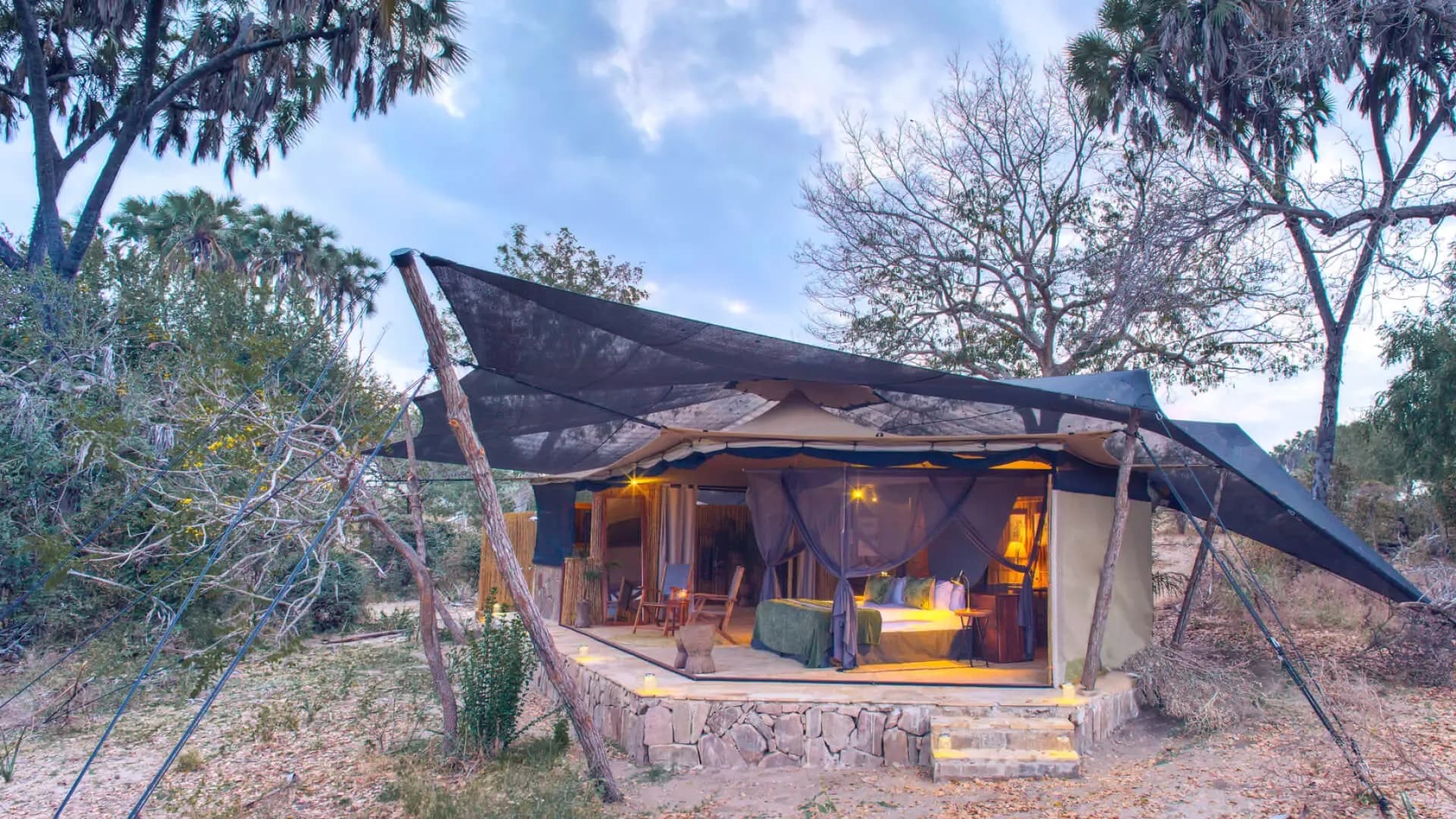
Roho ya Selous and its neighbours.
Lakes and the Rufiji River, with boats and walks. Roho ya Selous has eight tents on a peninsula above Lake Nzerakera.
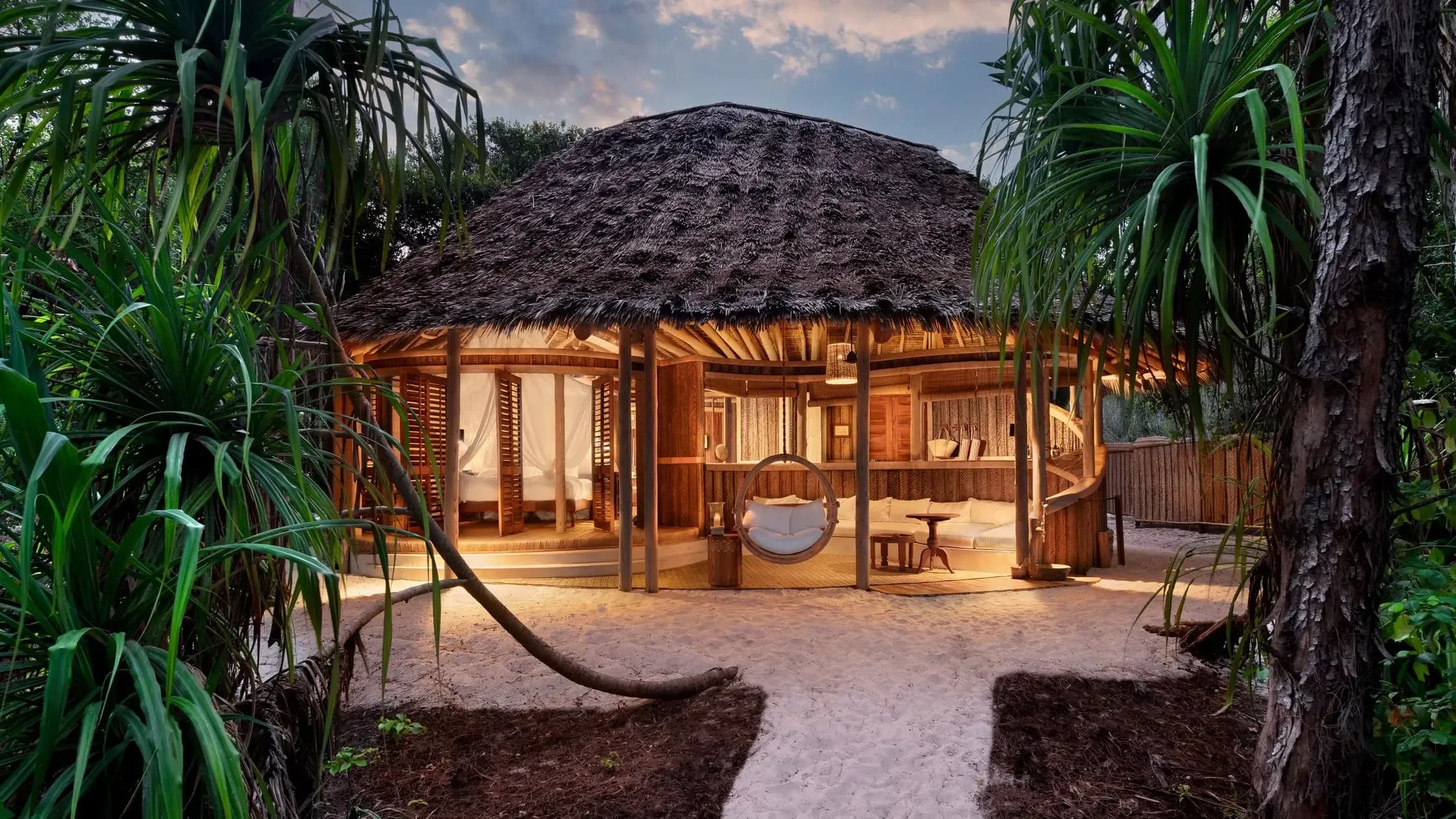
Mnemba, Pemba and beyond.
Twelve bandas on coral sand at Mnemba, a lagoon on Pemba, and a room beneath the surface at The Manta.
Where we stay
Your days
A few things you can add, and one that we build in whether you ask or not.
Flights lift off before sunrise from sites that include Seronera, last about an hour, and end with breakfast in the bush. Weather decides whether it flies.
Guided walks with an armed ranger, where the camp or the reserve allows them. They are common in the south, at Ruaha and Nyerere, and limited to a few wilderness areas inside the Serengeti.
Boat safaris on the lakes and the Rufiji River at Nyerere, usually two or three hours, with hippo, crocodile and elephant on the banks.
Night drives, in private reserves only. They are not allowed inside the national park.
A night or two away from camp, offered by some camps in the south. A guide, a fire and very little else.
At least one morning with nothing planned. Stay on the deck. The animals will carry on without you.
No guide can promise a particular animal. We plan for the right place at the right hour, and we leave room for whatever the day gives.
Sample routes
These are starting points, not packages. Every one changes once we know your dates.
 Honeymoon
 Honeymoon
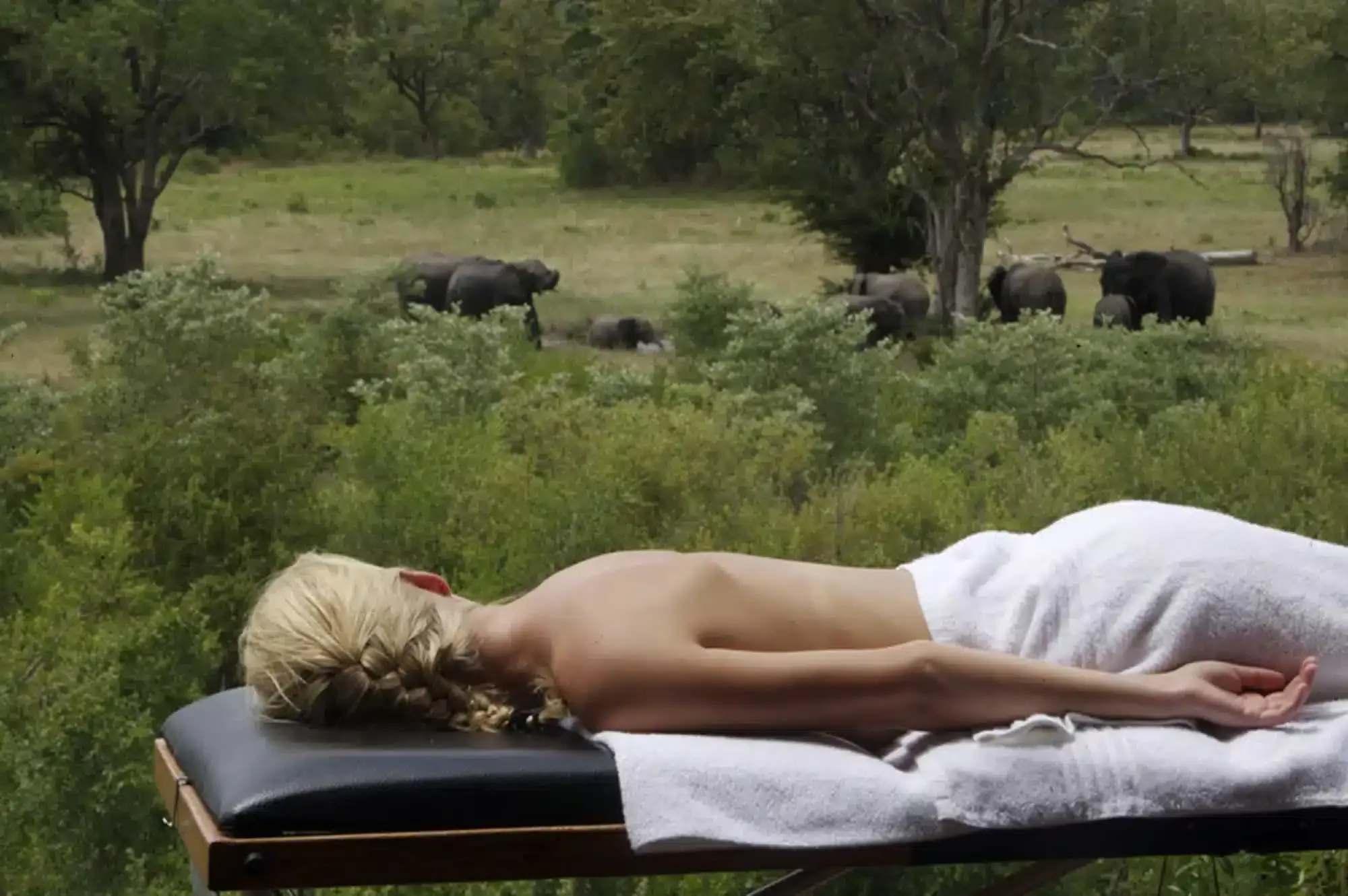 Honeymoon
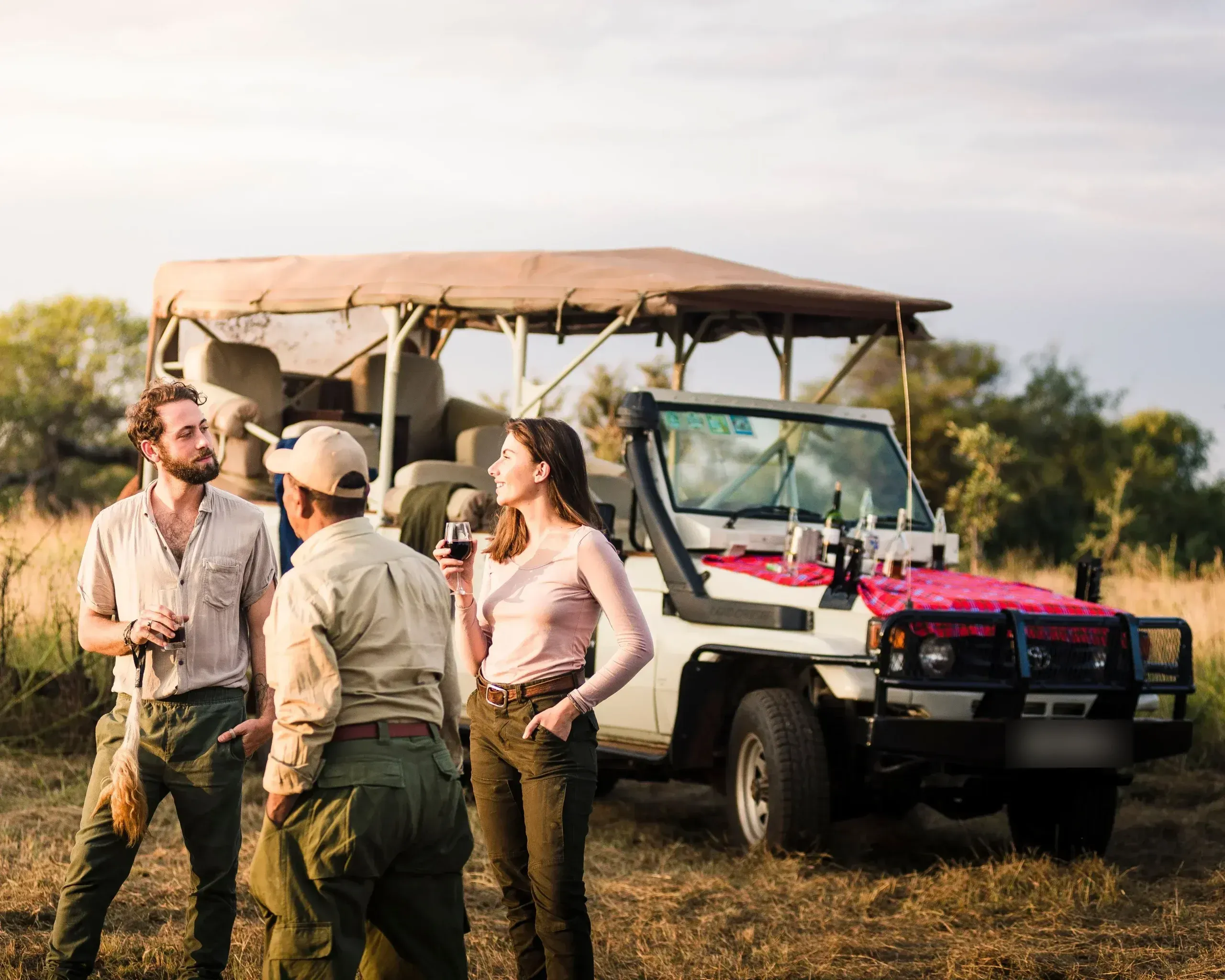
Yes, if the trip is designed around the two of you rather than around the animals. That means one drive a day on some days instead of two, camps that are worth being in, a private vehicle so you can leave a sighting whenever you like, and as long on the coast as you want. Tell us who is who in your first message and we will plan accordingly.
We think so. With your own vehicle and guide you decide when to leave a sighting and when to stay, and nobody else’s pace sets yours.
Three nights in a camp is where a place starts to make sense. Two can work when it is a stop on the way, such as the crater rim or Tarangire. In the Serengeti we suggest three or four nights in each zone, and no more than two zones.
There is no bad month, only a right place for it. The two classic choices are July to October, when the herds are in the northern Serengeti and the weather is dry, and January to March, when the calving is on the southern plains. April and May are green and quiet, and some camps close. Tell us your dates and we will choose the place.
All three are very good, and we would rather you chose well than chose us. Kenya’s Masai Mara conservancies are known for low vehicle numbers and river crossings. Botswana’s Okavango Delta is water, small camps and a different pace. Tanzania gives you the widest range: the Serengeti, the crater, private reserves and an island to finish, in one country and one plan.
The north is the classic: the Serengeti, the crater and Tarangire. The south, Ruaha and Nyerere (the Selous), is quieter, fly-in, and suits couples who would rather be on a boat or on foot than in a vehicle. It also pairs very easily with the coast. The south is a dry-season choice, because most camps close for the long rains. Tell us how much you want the herds and how much you want space, and we will choose with you.
For July to October, nine to twelve months ahead gives you the widest choice, because the best small camps fill first. We also plan last-minute honeymoons. The choice of camps is narrower, so tell us your dates as early as you can, and we will tell you exactly what is open and what we would do with it.
On the north coast, around Nungwi and Kendwa, you can swim at any tide. On the east coast the sea goes out a very long way at low tide, so the day follows the tide table, and from June to October a steady south-east wind blows in from the sea, which kite-surfers love and swimmers like less. April is the wettest month. We choose the coast and the month together.
Not if we can help it. For honeymoons we choose the less crowded camps, with tents set well apart, and we warn you if a particular camp or month is likely to be busy.
How we plan it
You do not need to know the camps or the roads. You only need to know roughly when, and who is going. Leaving it late? We plan last-minute honeymoons too.
Who plans it
East Africa Safari Guides is a Tanzanian company. Our office is in Arusha, our team lives here, and the person who answers your questions knows the camps, the roads and the seasons first hand.
A Tanzanian company based in Arusha since December 2021.
Ninety per cent of our team is Tanzanian.
We fund school places for ten girls every year.
What it costs
There is no single price, because two honeymoons at the same camp can cost very different amounts. Five things move it most: the season (the dry months and the calving weeks cost the most), the camps, how you move between them (flights add cost), how many nights you add on the coast, and whether you choose a private reserve or the national park.
We do not sell fixed honeymoon packages, and we do not publish a price list. We ask what you are comfortable spending, then show you what that buys, including what you would give up to get there and what a step up would add. A bigger budget does not always buy a better honeymoon, and we will say so.
When we send a route, we list what is included and what is not, so that you can set it beside any other quote and compare like with like.
When to go
The herds follow rain, not dates, so read every window as a range that can move by weeks.
| Months | On safari | On the coast | Worth knowing |
|---|---|---|---|
| January to March | Calving on the southern plains, usually peaking in February. Green and warm, with some showers. | Hot and mostly dry. The north-east wind brings seaweed to some east-coast beaches. | A good choice if the calving matters to you and you want a warm sea. |
| April and May | The long rains. Green and quiet, and some camps close. | The wettest months, April most of all. Many east-coast hotels close. | Better for a flexible plan than a fixed one. |
| June to October | The dry season. The herds reach the northern Serengeti from July. The busiest time. | The most settled weather, with a steady south-east wind on the east coast. | Nine to twelve months ahead gives the widest choice for July to October. Shorter notice is possible. |
| November and December | The short rains. The herds begin to move south. | Warm and humid, and busy over the festive weeks. | A quieter safari, then a busy coast at Christmas. |
September pairs the northern Serengeti with some of Zanzibar’s most settled weather. See where the herds are month by month →.
A rough idea is enough: a month, who is going, and whether the beach matters more than the animals. We will take it from there.
Begin the conversation+255 753 744 283 · hello@easguides.travel