Ease in
Arusha and Tarangire · Two to three nights
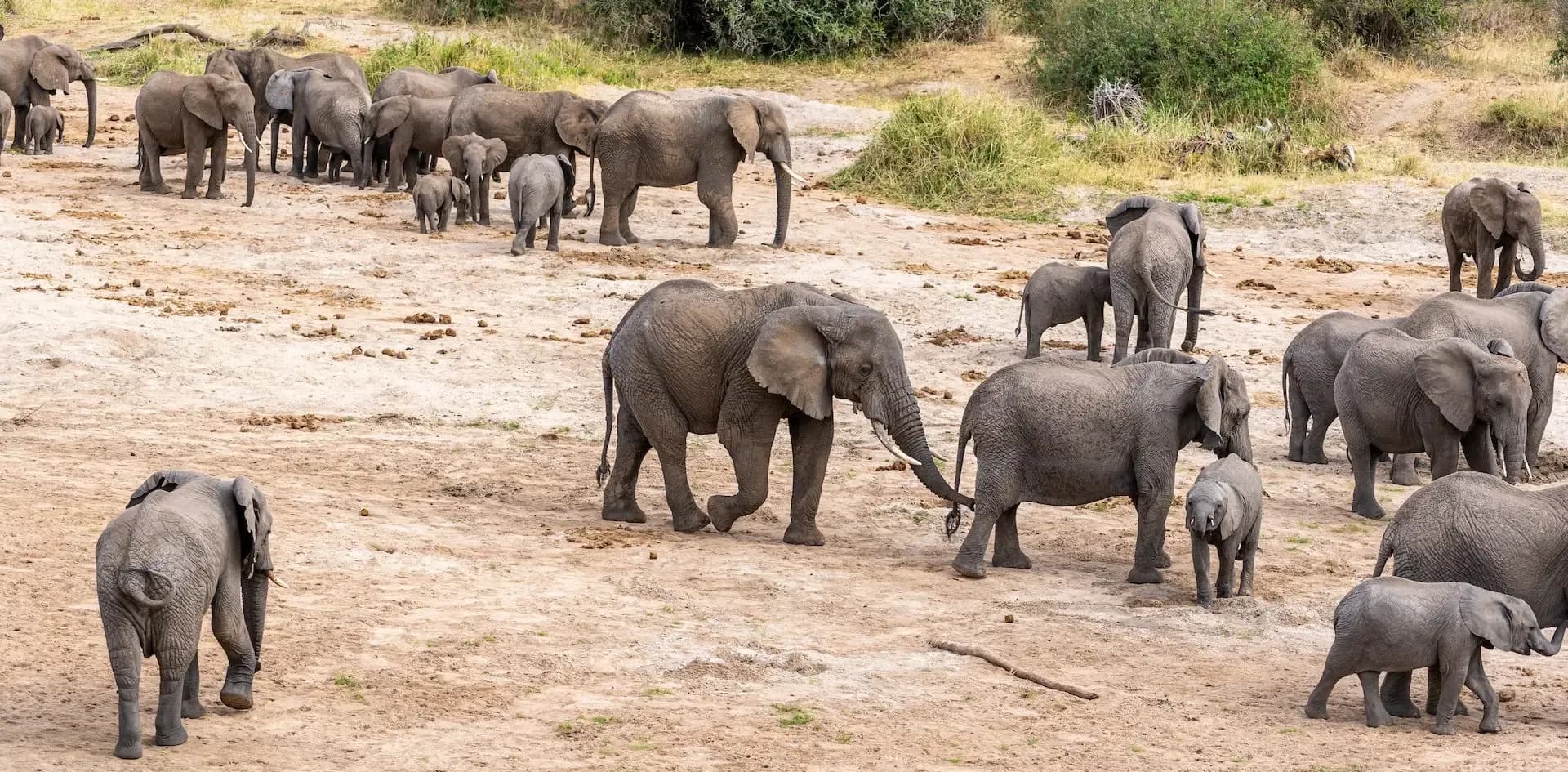
Short drives and elephants close to the road. Tarangire is about two hours from Arusha, which suits tired children after a long flight.

Your Experiences
Nothing added yet — experiences you add from any page will appear here.
Someone in the family has to organise this. We would like to help.
A private safari with your own guide and vehicle, camps that are glad to have children, and a pace that suits the youngest and the eldest.
Start here
You are juggling school dates, passports, naps, a grandparent who walks slowly and a teenager with opinions. Every camp has its own rules about children. Every itinerary seems to assume a different kind of family. And nobody tells you which questions matter.
Four things decide whether a family safari works. Take them in this order, and we will show you what each one means for your time and your money.
Why Tanzania
A first safari with a three-year-old. A trip for three generations. A milestone birthday with grown children and their partners. They are very different trips, and the same principle runs through all of them: plan around the youngest and the eldest, and everyone in between is looked after.
Tanzania helps, because it has range. Tarangire is about two hours from Arusha and gentle on small travellers. The Serengeti is big country for when everyone is ready for it. Arusha National Park lets you walk among giraffe with a ranger. And the coast, Zanzibar or Pemba, is there at the end for children who have been very good in a vehicle.
In Tarangire, in the dry season, you can watch a family of elephants come down to the river. The oldest female leads, because she remembers where the water is. Her sisters and daughters help look after the calves, and when the herd is on the move the calves are often kept in the middle of it, where the older ones can see them. Nobody is rushed, and nobody is left behind. It is a good model for a family trip, and you will probably watch them for longer than you meant to.
The shape of it
Most family routes share one rhythm, stretched or shortened to suit the ages in your group. A common shape: two or three nights near Tarangire, three or four in the Serengeti and three or four on the coast, seven to ten days in all.
Arusha and Tarangire · Two to three nights
Short drives and elephants close to the road. Tarangire is about two hours from Arusha, which suits tired children after a long flight.
The Serengeti · Three to four nights
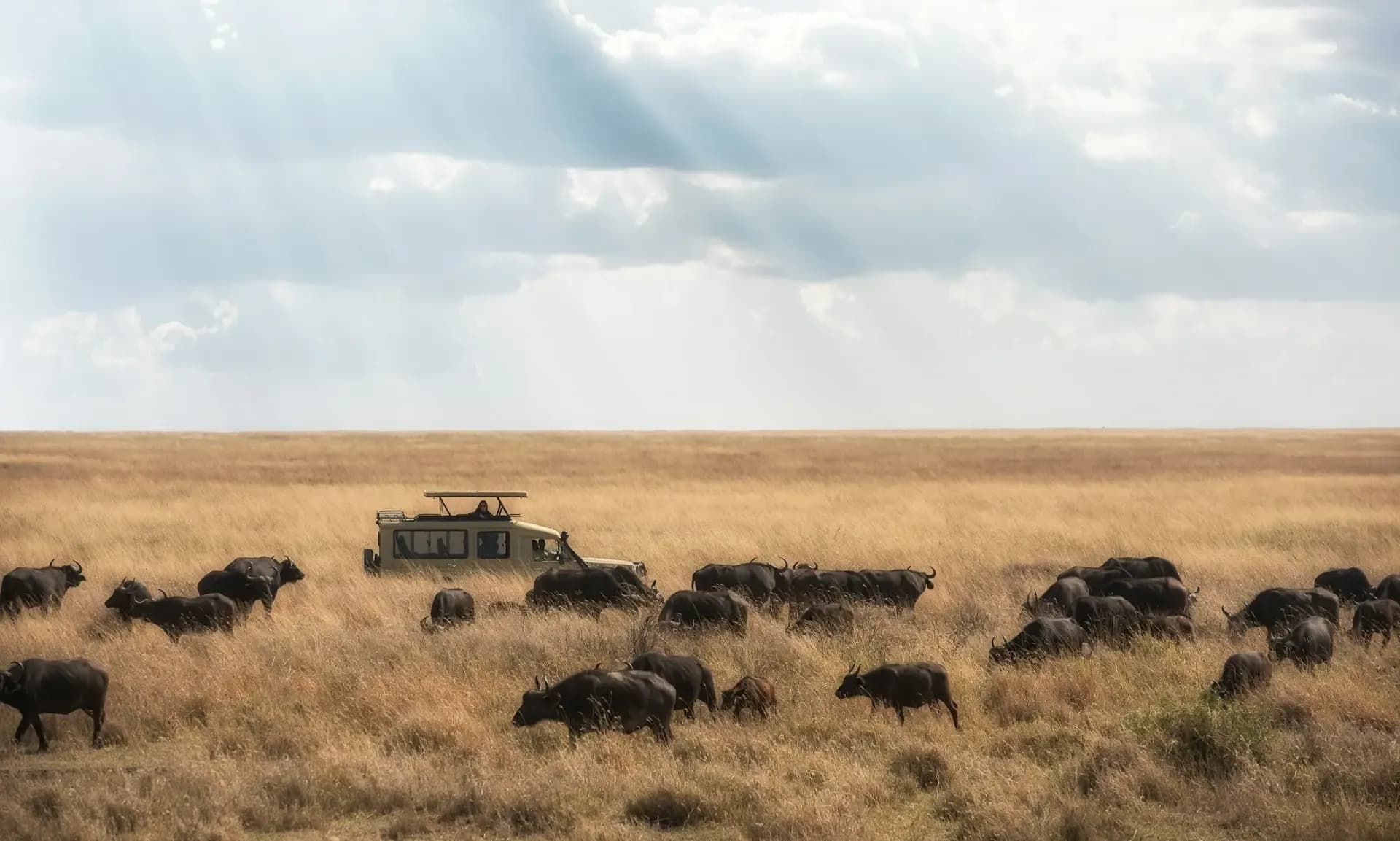
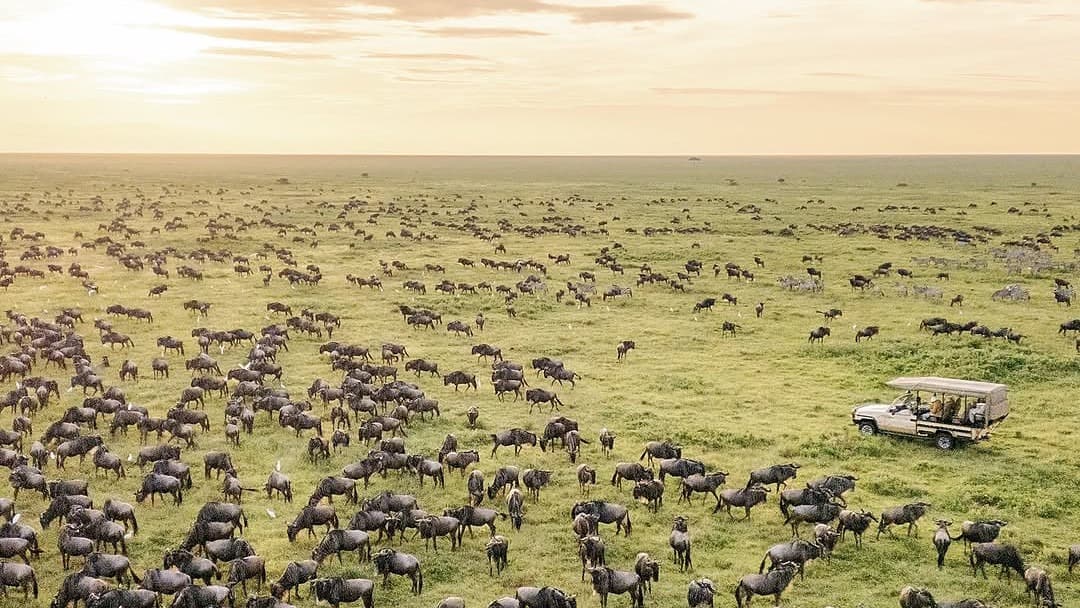
A bigger landscape, and the place where the month decides the place. Shorter drives, a proper rest at midday and a second drive when the light softens. Leaving at first light and staying out all day is not our standard pace. It happens only if your family asks for it.
Zanzibar or Pemba · Three to four nights
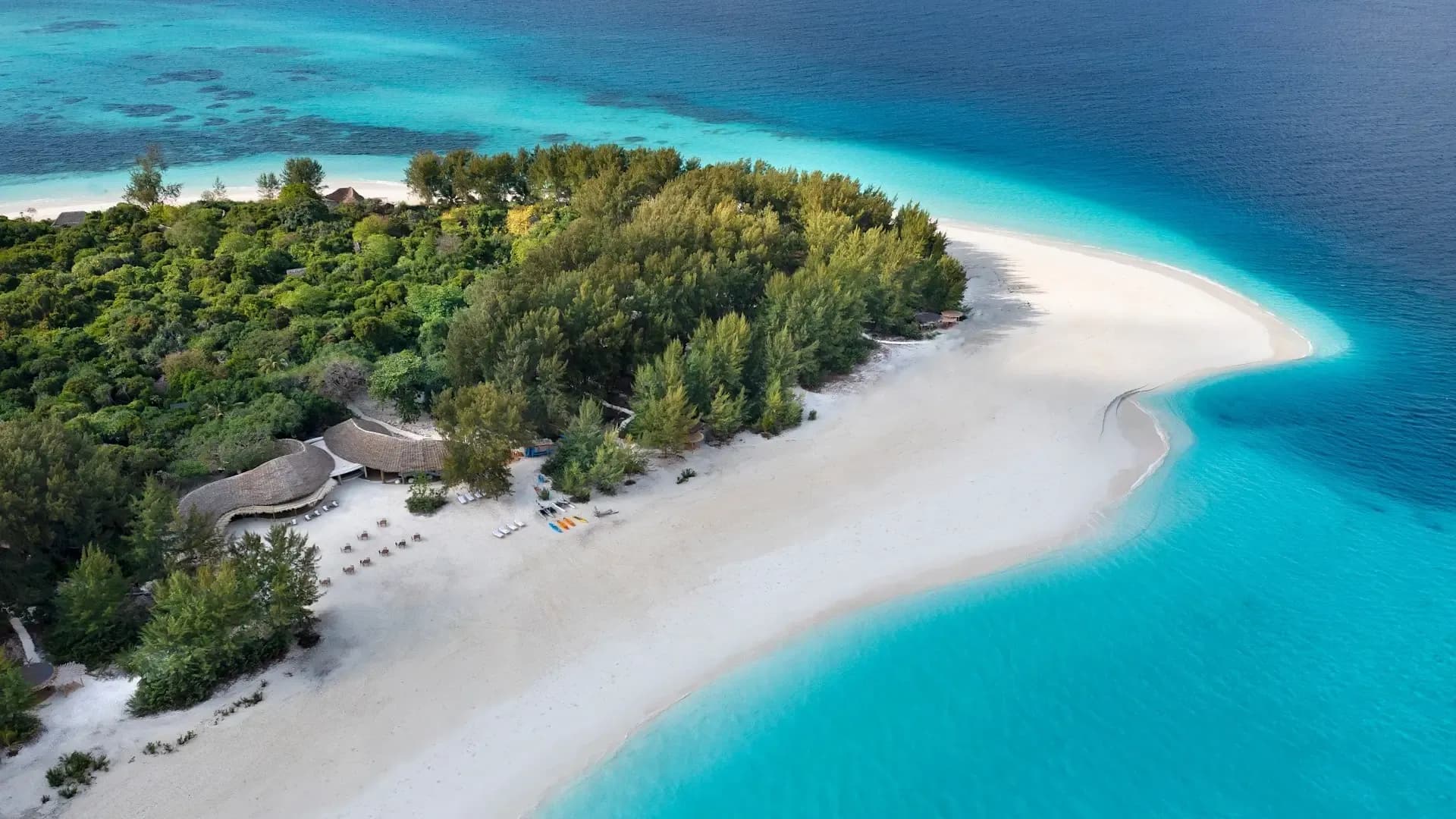
Sand, swimming and no schedule. We choose the coast and the month together, because the beaches change so much from one to the next.
A day, usually
Every family has its own rhythm, and we plan around it. This is a shape that works.
A proper breakfast at camp, and nobody dragged out in the dark. If your family wants a dawn start, tell your guide.
A drive of a few hours, with stops for snacks and for anything a child wants to look at for twenty minutes.
Home to camp for lunch, the pool or the deck, and a long rest. The animals rest too.
A shorter second drive, when the light is soft and the animals start moving again.
An early dinner, a fire, and children in bed before the night noises begin.
Getting about
Long roads are hard on small children and on some older relatives. Short flights are hard on luggage. Here is how they compare.
| Factor | Fly in, by light aircraft | By road, in your own vehicle |
|---|---|---|
| Time | About an hour by air from Arusha to the Serengeti. A short flight can save a long road day. | Often eight hours or more on the road to the central Serengeti, which is a long day for small children. |
| Little travellers | Small aircraft and warm air. Some children love it and some feel sick. Tell us if yours get motion sickness. | Dust, rough tracks and carsickness for some. The road to Tarangire and the crater is short. |
| Luggage | Most light aircraft allow around 15 kg a person, in soft bags, with hand luggage counted. Children’s gear counts too, so we help you pack light. A few airlines are more generous. | More room. Soft bags are still easiest. |
| Stops and snacks | The schedule is fixed, so snacks and naps happen around it. | You can stop whenever someone needs to. |
| The view | The land from the air, then a short drive from the airstrip. | The countryside between the parks, with wildlife on the way. |
| Suits | Longer trips, older children, and relatives who find long roads hard. | The short first leg, younger children on a short route, and families who like to see the country. |
Plenty of families split it: they drive the short first leg, then fly into the Serengeti and on to the coast. If a grandparent finds long roads hard, or a child gets carsick, say so, and we will lean towards the air.
Where you sleep
Not every camp wants a four-year-old, and not every camp is right for one. Some camps welcome children and some are quieter. We tell you which is which before you choose.
We welcome children from one year old and above. Babies and toddlers change a safari, so the route changes with them: fewer moves, shorter drives, and camps picked for how they look after small people. We suggest those camps at booking, once we know the ages and the dates, and we explain why we chose each one.
We do not hand you a list of camps. When you book, we suggest the ones that look after children well and tell you what each is like for a child of your child’s age. Rules differ by camp and by season, so we confirm them for your dates.
Open ground and water do not mix with toddlers. We ask how each camp keeps children safe, from the layout of the tents to how guests are escorted after dark, and we tell you what we find.
We look for beds with mosquito nets, and we tell you how to avoid bites at dusk and dawn: long sleeves, repellent, and a net over the cot. Ask your doctor or a travel clinic about malaria prevention well before you go. We cannot give medical advice, but we do tell you how far each camp is from medical help.
Children eat early and often. We ask each camp about children’s menus and early suppers, and what the kitchen can do for babies and toddlers, such as warming bottles, preparing simple food and handling allergies.
Some camps can arrange a nanny or child-minder, so you can have a drive or a dinner to yourselves. It is usually charged separately and depends on who is on duty, so we ask when you book, not when you arrive.
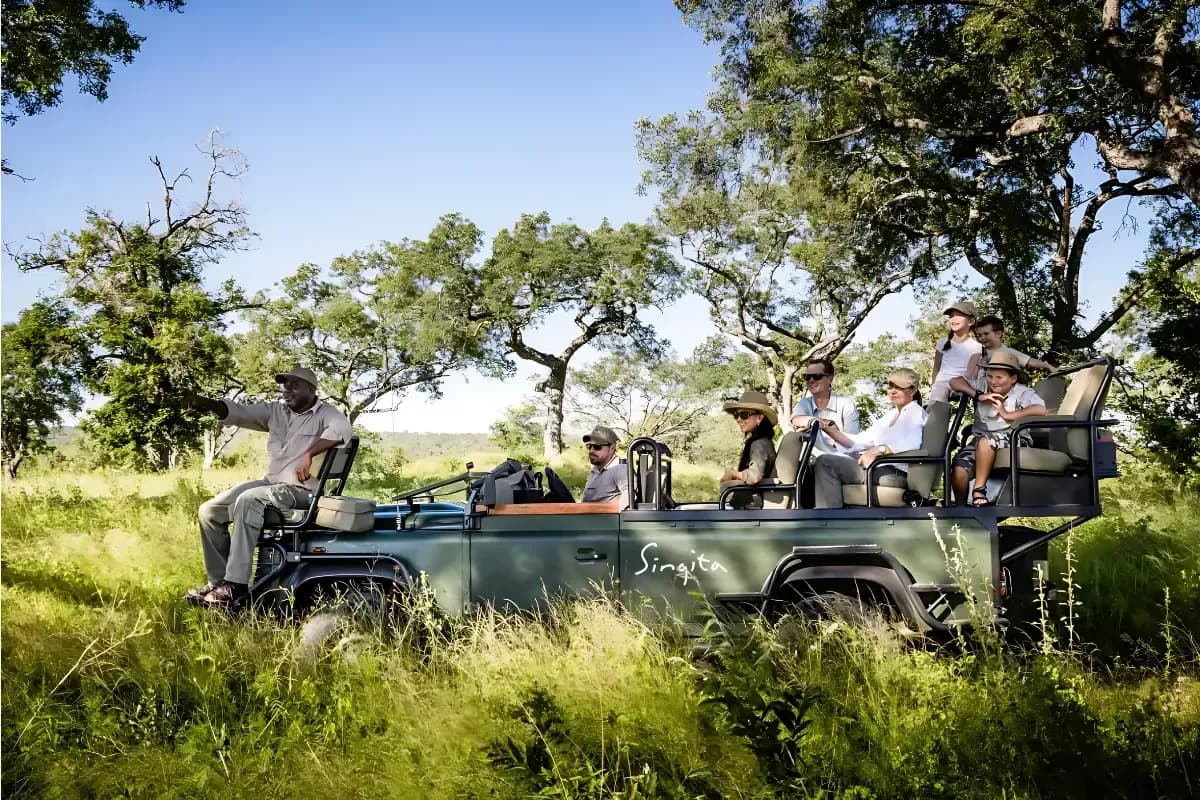
Cots or extra beds, rooms or tents that sit together, and a long rest at midday. Drives are shorter, snacks come along, and for young children we usually suggest the closed 4x4 with a pop-up roof.
Camp rules change with the season and the room, so we confirm every one before you book. If your child is younger than one, talk to us before you decide.
Your days
For teenagers, the balloon flight, a walk with a ranger and a night drive in a private reserve tend to go down best.
Flights leave at dawn from sites such as Seronera and last about an hour. The minimum age is generally seven, and weather decides whether it flies.
Few large predators live there, which is why walking with an armed ranger is part of a normal visit. A gentle first afternoon after the flight.
At Nyerere, a boat trip of two or three hours takes you past hippo, crocodile and elephant. Some camps set age limits, so we check.
Warm, shallow water on the coast, and snorkelling where the age rules and conditions allow.
In private reserves only, and many camps set a minimum age. We tell you before you plan around one.
Every day has a proper break in the middle: the pool, the deck, a book. The animals rest at midday too.
Animals keep their own timetable. We choose the right place and the right hour, and leave room for whatever the day brings.
A starting point
One route to begin with. It will change once we know the ages and the dates.
Children are welcome from one year old and above. Camps and activities set their own limits: some camps ask for a higher minimum age, the dawn balloon flight is generally from seven, and walks at most camps are from twelve. We check each one before we suggest it, and we choose camps that suit your child’s age.
Yes, with a plan. Some camps set minimum ages, so for a three-year-old we suggest only the ones that welcome young children. Shorter drives, plenty of snacks, a proper rest at midday and a vehicle where small hands stay inside all help. We use both a closed 4x4 with a pop-up roof and an open-sided vehicle, and for young children we usually suggest the closed one. A full day out from first light is not our standard pace either. It happens only if the family asks for it.
Yes, for most families. The pace is yours, you can pull over the moment someone needs to, and no stranger’s wishes get a vote. A vehicle seats six, but we usually suggest four or five of you, so everyone has space and a clear view from the roof.
A vehicle seats six, so a group of eight travels in two, each with its own guide. The two can go to the same sightings together, or split up when tastes differ. For larger groups we also check that the camp can offer rooms close together.
Yes. Plan around the youngest and the eldest, with fewer camps, longer stays and shorter drives, and fly where long road days would be hard. Tell us who walks slowly and who tires early, and we will plan for it.
Aim for nine to twelve months ahead for July to October, especially if you need several rooms together. Six to eight months works for many dates, and short-notice trips are possible too, with fewer camps on offer. Send us your dates and we will tell you what is open.
The dry season, June to October, gives the clearest game viewing and the biggest crowds. January to March is calving season, when the southern plains fill with young animals. April and May turn green and quiet, with some camps closed. Late June to August coincides with many northern-hemisphere school holidays, so book early if those are your dates.
That depends on how long your days are and how well your children travel. A flight saves a long road day but comes with tight luggage limits, usually 15 kg a person in soft bags. A drive gives you more room and the freedom to stop. A common compromise is to drive the short first leg and fly after that.
Every guest needs premium travel insurance before travelling. For malaria and vaccinations, see your doctor or a travel clinic well ahead of the trip. We cannot give medical advice, but we will tell you how far each camp is from medical help.
All three can work. What decides it is the ages of your children, the months you can travel and how many vehicles you want around you. Tanzania gives you the widest range in one country, from Tarangire and Arusha National Park for younger children to the Serengeti, the Southern Circuit and the coast for older ones.
The process
You do not need to know the camps, the roads or the age rules. Start with who is coming and roughly when. Short on time? We can plan at short notice too, with fewer camps to choose from.
The team
East Africa Safari Guides is Tanzanian through and through. The office is in Arusha and the team lives here, so the answers you get come from people who know these camps, roads and seasons.
A Tanzanian company, working from Arusha since December 2021.
Nine in ten of our team are Tanzanian.
Every year we fund ten girls through school.
What it costs
There is no single price, because two families at the same camp can pay very different amounts. Six things move it most: how many people are travelling, how many vehicles that needs (a group of eight needs two), whether you take a family tent or two rooms, the season, how you move between camps (flights add cost for each person), and how long you stay on the coast. Many camps charge less for children, and the rates vary by camp and by age.
Fixed family packages rarely fit, because no two families are alike, so we do not sell them or publish a price list. Tell us the budget you have in mind and we build the route to it, name the trade-offs, and show where an extra night or a better room would make a real difference for the children. More spending does not guarantee an easier trip with children, and sometimes the simplest route is the best one.
Each quote spells out what it covers and what it leaves out, so you can lay it next to any other.
When to go
Rain moves the herds, not the calendar, so treat each window as a guide that can shift by a few weeks.
| Months | On safari | On the coast | With children |
|---|---|---|---|
| January to March | Calving season on the southern plains, usually at its height in February. Green, warm and showery. | Hot and mostly dry, though the north-east wind can wash seaweed onto some east-coast beaches. | A good time for young animals, and the plains are full of them. |
| April and May | The long rains: green, quiet, and with some camps shut. | The wettest months, with April the worst. Many east-coast hotels shut. | Works best if your plans can flex. |
| June to October | The dry season, and the busiest. The herds reach the northern Serengeti from July, and late June to August overlaps with many northern-hemisphere school holidays. | The most settled weather, though the east coast gets a steady south-east wind. | Booking nine to twelve months ahead gives most choice for July to October. Shorter notice can work. |
| November and December | Short rains arrive, and the herds start to drift south. | Warm, humid and busy over the festive weeks. | Fewer visitors on safari, then a crowded coast at Christmas. |
Follow the herds through the year →.
Ages, a rough month, and whether the beach matters more than the animals: that is plenty to start with.
Begin the conversation+255 753 744 283 · hello@easguides.travel