+255 753 744 283 | Mon–Fri 8:30AM–5PM · Sat 9AM–4PM EAT
EAST AFRICA · EST. 2021

Your Experiences

Nothing added yet — experiences you add from any page will appear here.

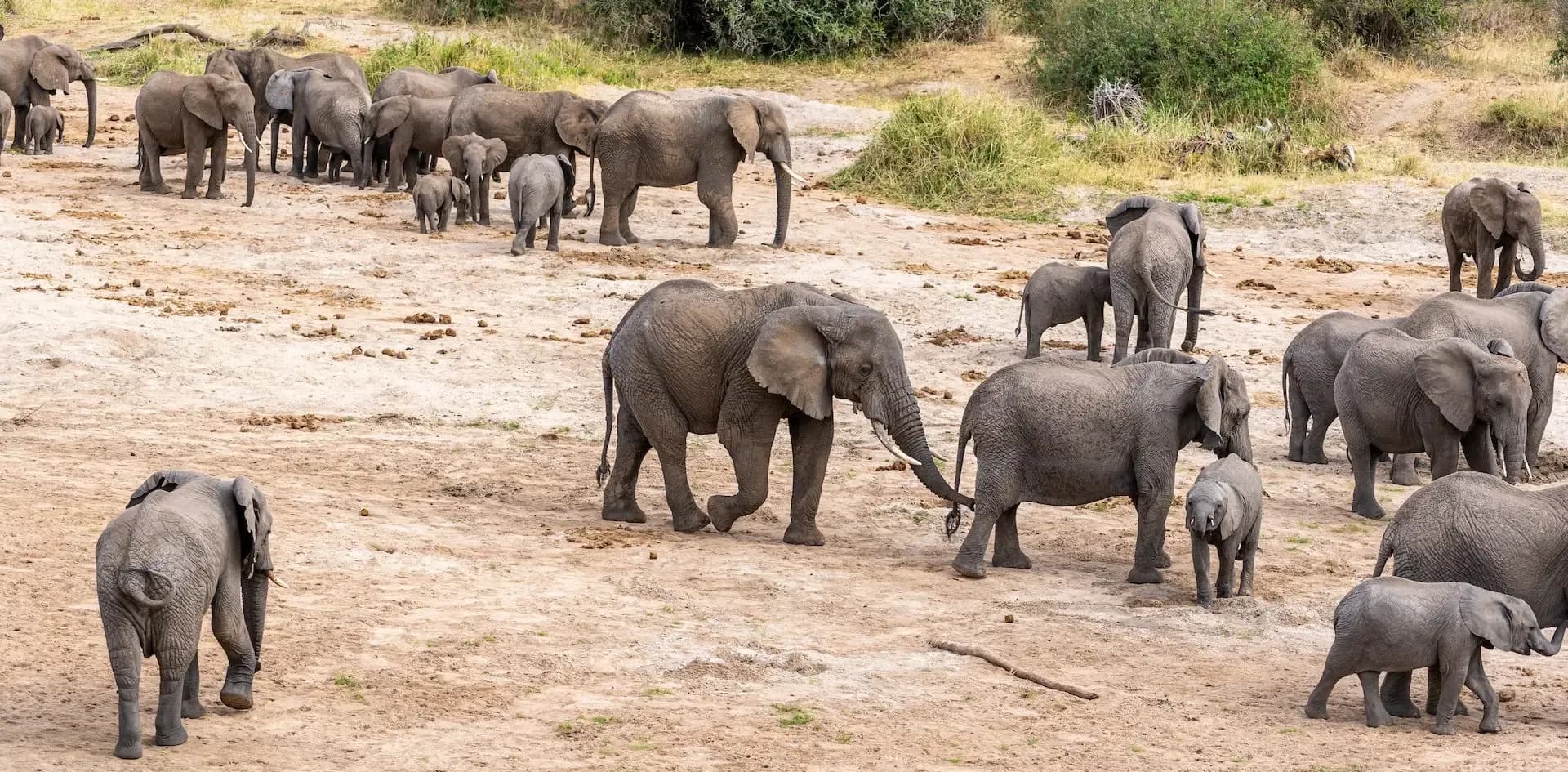
A herd of elephants with calves walking across a dry sandy riverbed

Tarangire National Park

Elephants, baobabs, and a river that decides everything.

Why Tarangire

A park shaped by one river

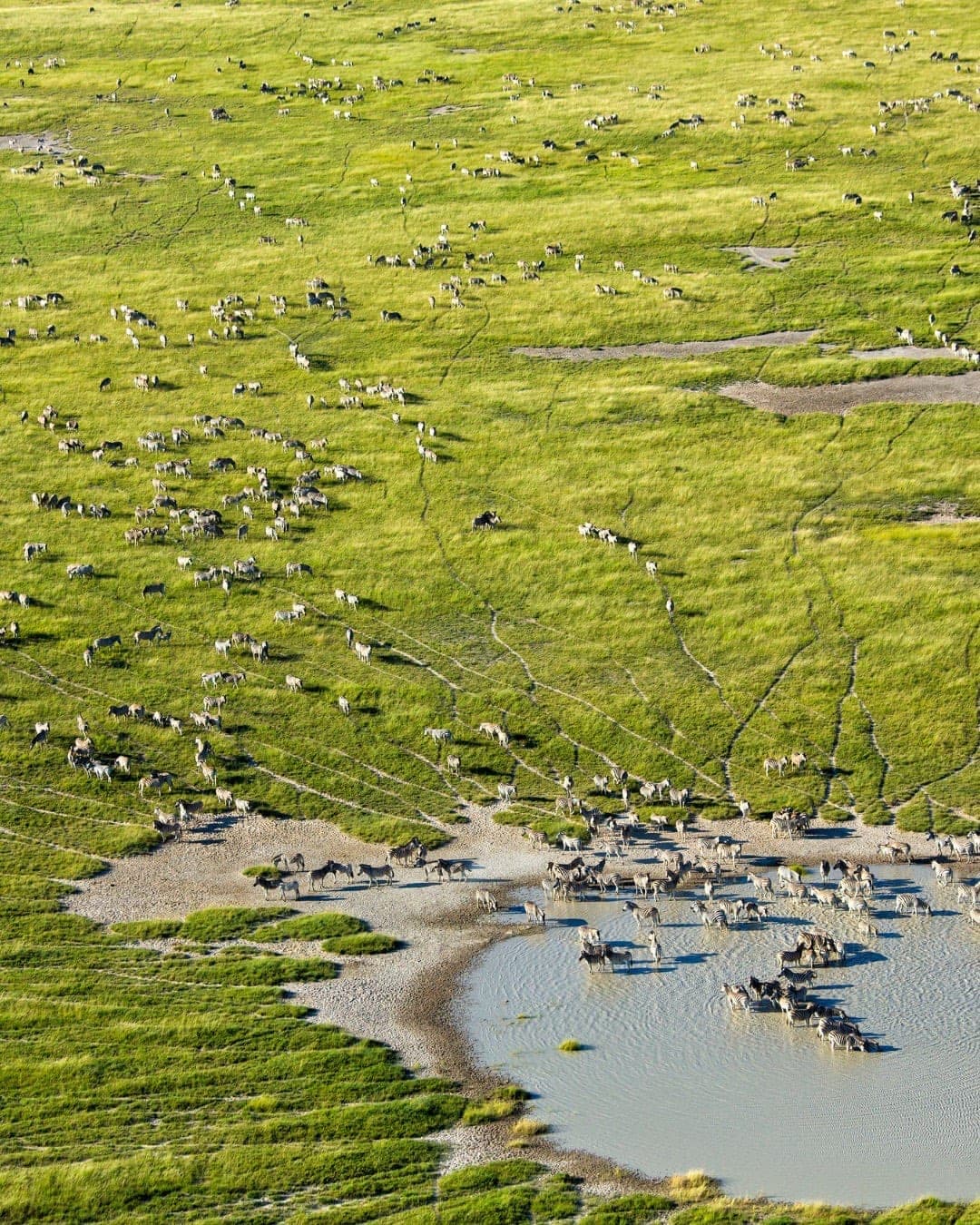
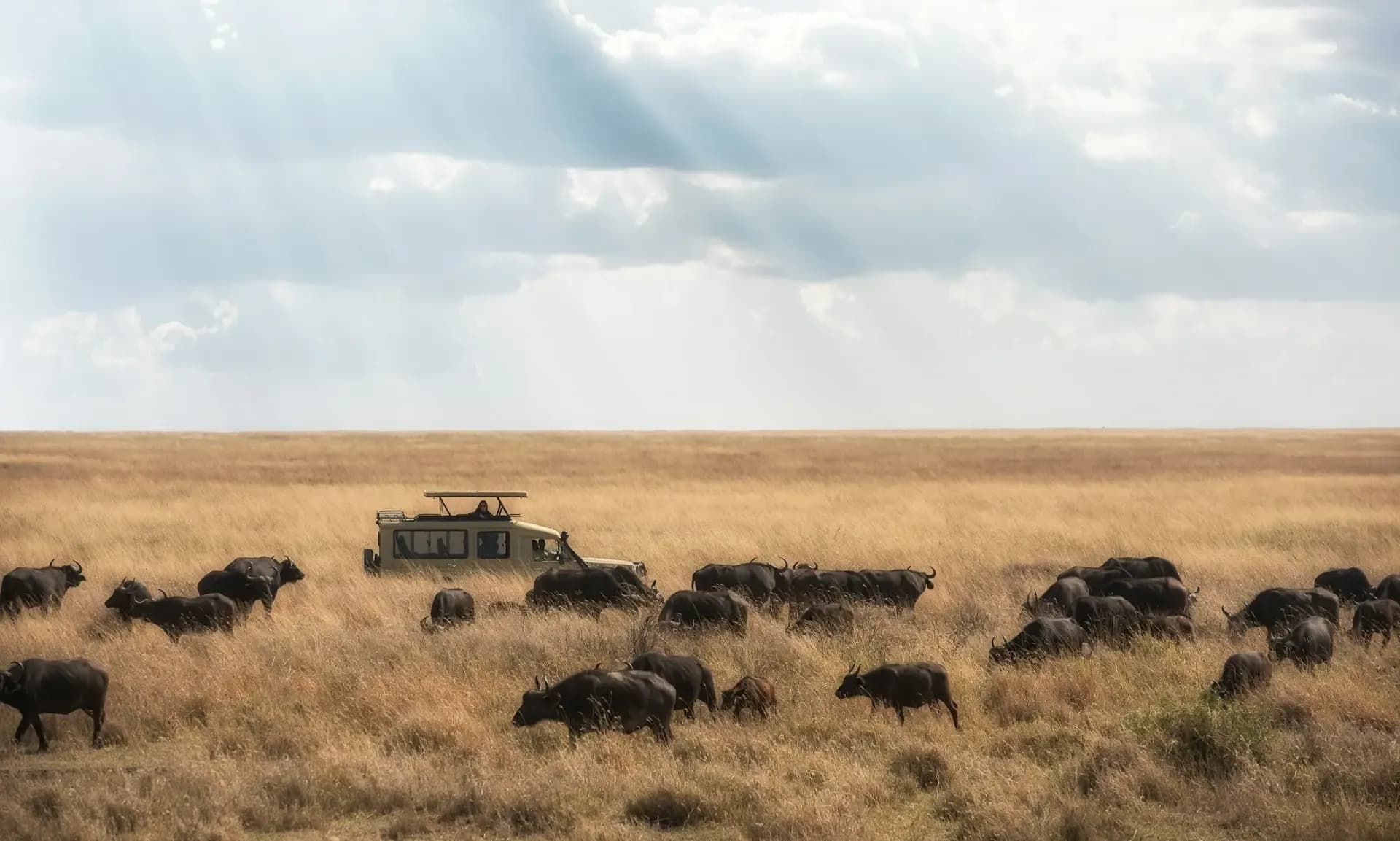
In the dry months the Tarangire River is the only dependable water for a very long way, and the whole park rearranges itself around it. Elephants arrive in family herds, often in the dozens and sometimes more. Zebra, wildebeest, buffalo and eland follow, and the predators follow them. By September the riverbed is a stage, and the baobabs stand around it like an audience.

The park covers about 2,850 square kilometres, some 120 kilometres south of Arusha, which makes it the gentlest start to the Northern Circuit. It is also easy to underrate, and it rewards more time than the usual single night.

Continue readingShow less

Not only elephants

More than 550 bird species have been recorded here. The Silale Swamp holds hippo, buffalo and waterbirds, tree-climbing pythons are sometimes found resting in the branches, and the drier country holds dry-country species such as fringe-eared oryx and gerenuk.

How we plan it

Stay at least two nights, ideally three. Tarangire is a place where the second day is better than the first, because you learn which loops the elephants use, where the lions rest, and when the light on the baobabs turns gold. Walks and night drives are offered from camps on the park’s edges, where they are allowed.

Best months
June to October, when the river draws the herds in. November to May is green, quieter and good for birds.
Getting there
About two hours by road from Arusha, which makes it the easiest first stop on the circuit.
How long
Two nights at the least. Three if you would like walks and a night drive.
Pairs well with
Lake Manyara next door, Ngorongoro and the Serengeti beyond, or a Kilimanjaro climb beforehand.

When to go

The year, usually

Northern Tanzania has two rainy seasons and a long dry one. At Tarangire the difference between them is dramatic.

January and February

Hot and green. Animals spread over a much wider area, so sightings are thinner. Migrant birds are in.

March to May

The long rains. The swamp fills, tracks turn soft and some camps close. Quiet and very green, and the hardest time for game.

June to October

The dry season, and the reason people come. The river draws elephants and other herds. It is also the busiest time, and usually best from July.

November and December

The short rains. Showers return, the grass greens up, and the herds begin to leave the river.

Inside the park

Three ways into Tarangire

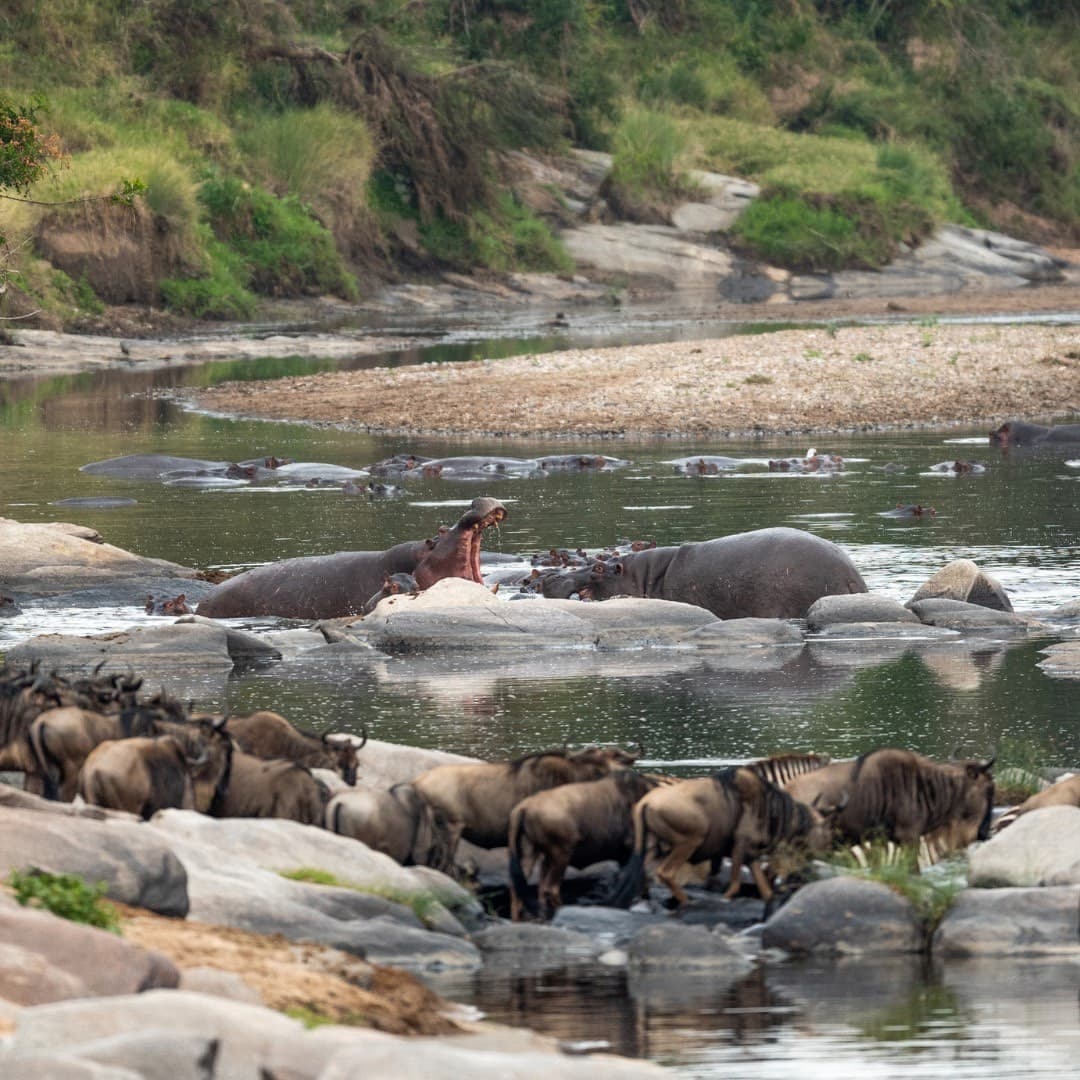
Hippos in a rocky river, with wildebeest crowded together at the edge of the water and green banks behind

Tarangire River · Best June to October

The river and the baobab country

The river loops are the classic morning: elephants coming down to drink, giraffe waiting their turn, and old baobabs standing over everything. Many of the baobabs are hollowed and scarred by generations of tusks, and some may be over a thousand years old.

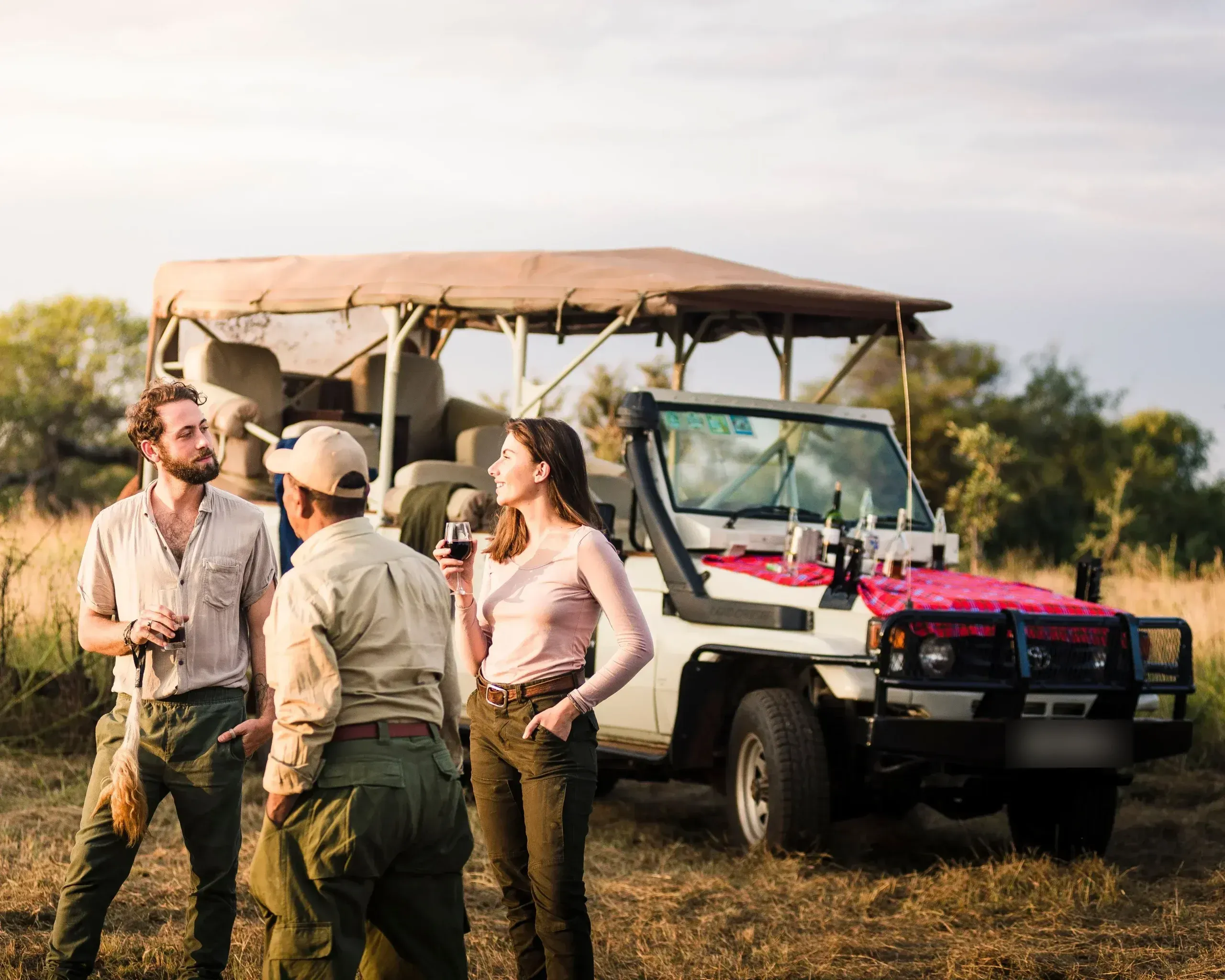
Take a picnic, stay by the water through the middle of the morning, and head back before the heat peaks. Then go out again late, when the light turns the grass gold.

Be ready for

In the dry season there is dust, and the heat builds by midday. Tsetse flies live in some of the wooded areas. Mornings give the best light and the best game.
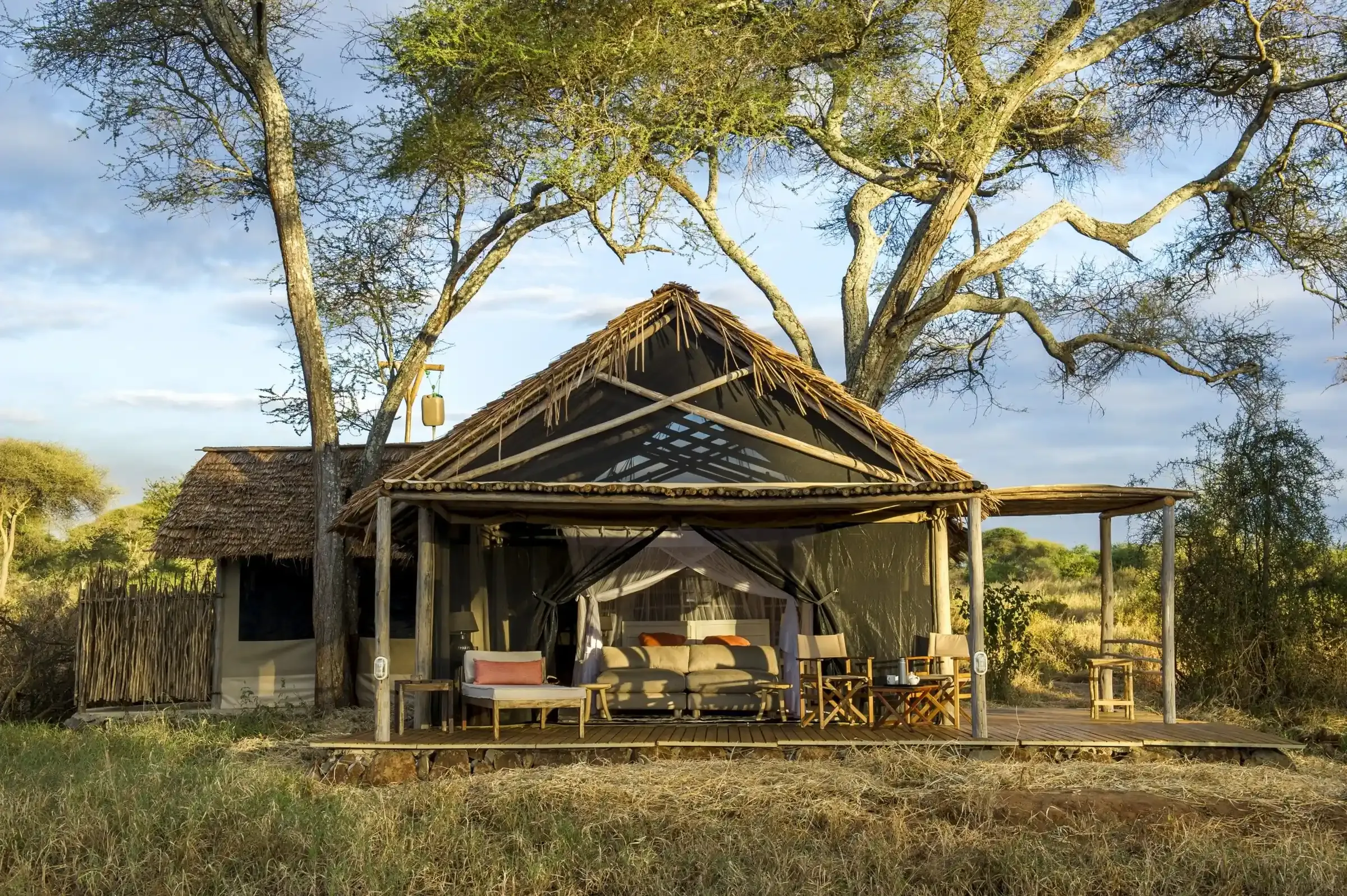
A thatched safari tent with a timber deck and lounge, lit by evening sun beneath acacia trees

Silale · Good all year

Silale Swamp and the south

In the south, the Silale Swamp soaks up the rains and releases them slowly. Hippo, buffalo and a long list of waterbirds live here, and the lions know exactly where the buffalo come to drink. Tree-climbing pythons are sometimes seen along its edges.

It feels less visited than the river, and it takes longer to reach. That is part of its charm.

Allow for this

Silale is a long drive from most camps, and in the rains the tracks to it can be impassable. We check conditions before committing a day to it.

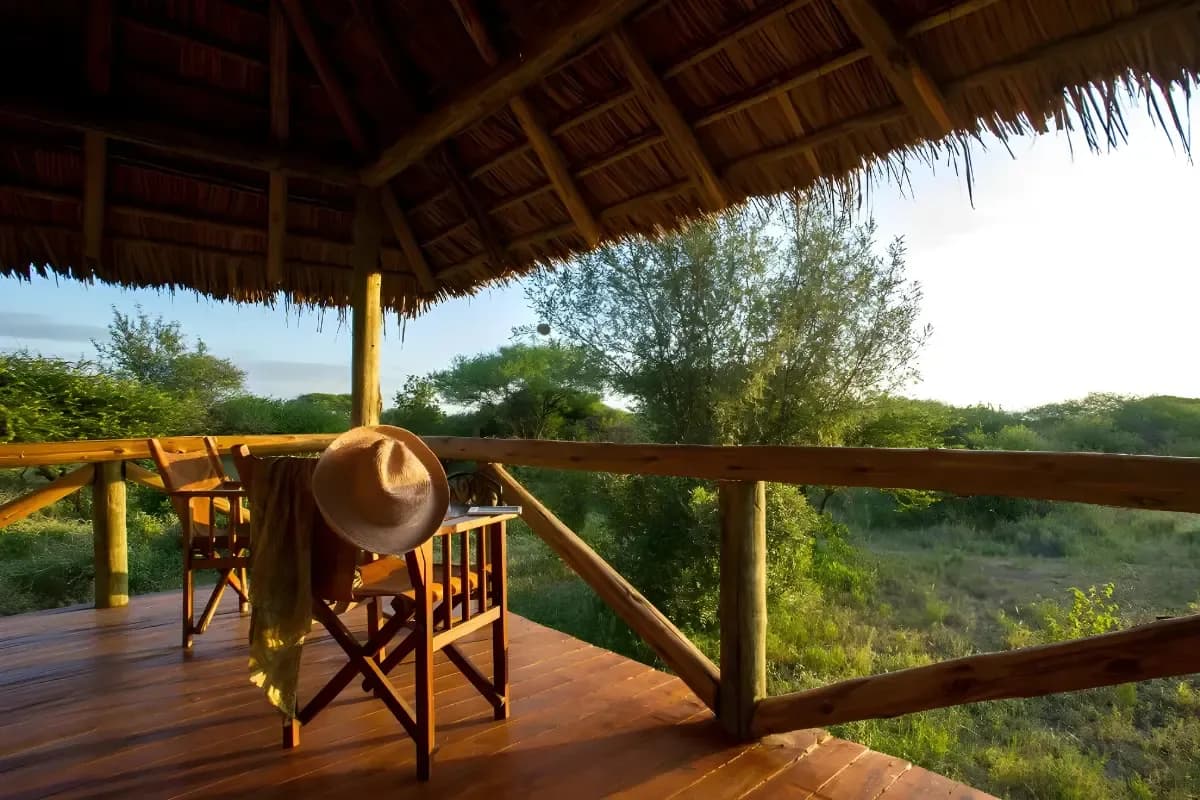
A timber deck under a thatched roof with folding chairs, looking out over green bush in evening light

Wildlife management areas · Good all year

The park’s edges: Burunge and Randilen

Land just outside the park boundary is managed by local communities as wildlife management areas, such as Burunge and Randilen. Animals cross the boundary freely, but the rules differ. Guided walks, night drives and cultural visits are often possible from camps on this land.

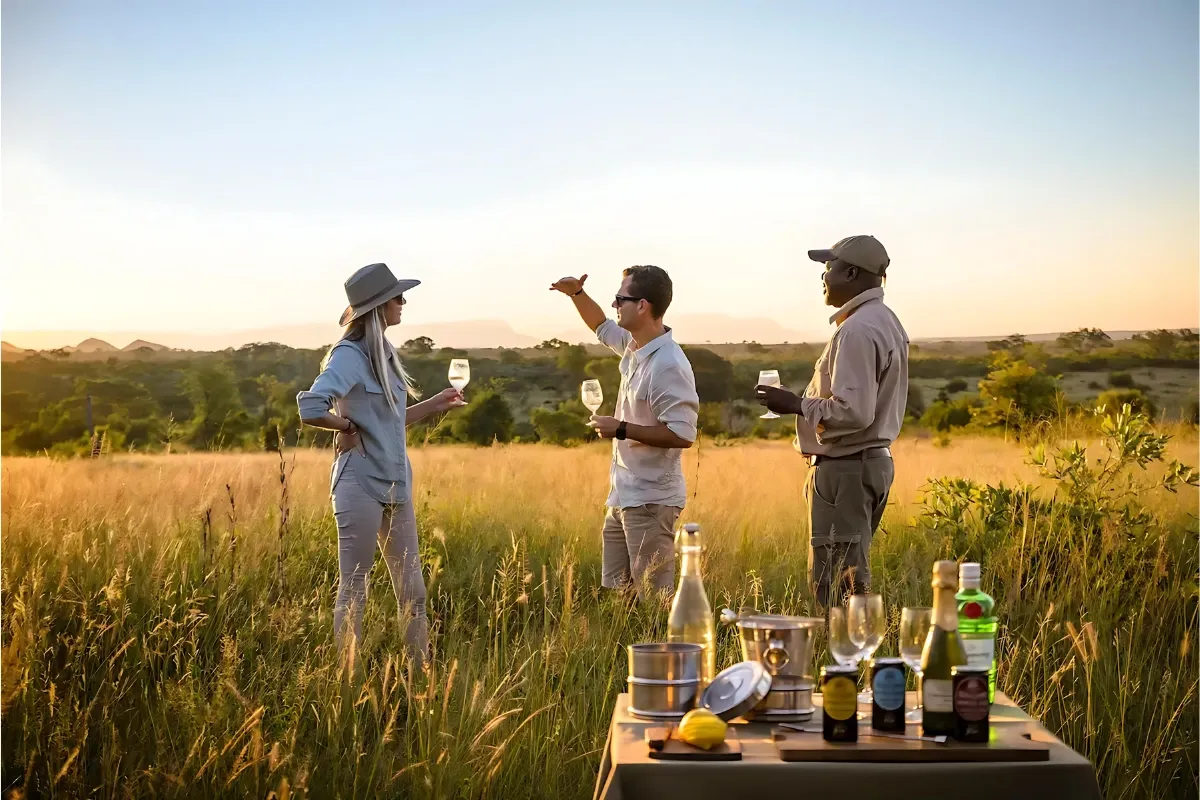
A stay on the edge, with a day or two inside the park, gives you both the freedom to walk and the density of animals along the river.

Something to weigh

Camps on the edge are a short drive from the park gate, so a full day inside means an early start and a packed lunch.

Where we stay

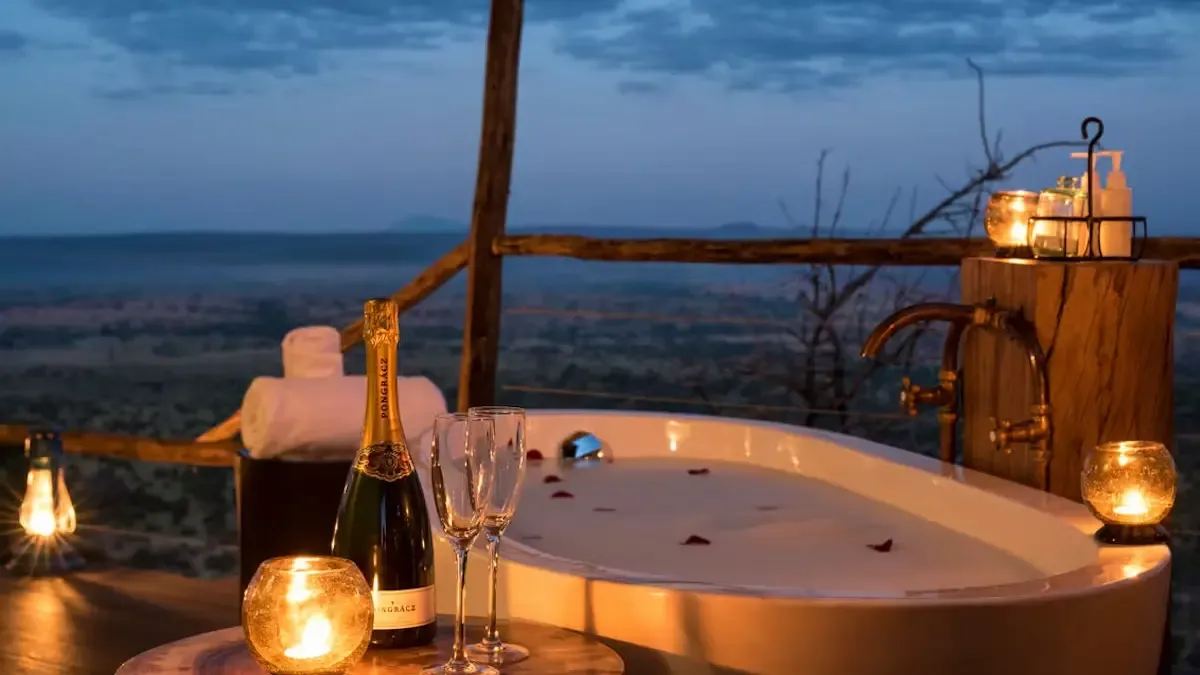
We choose by what you want from Tarangire: walks and night drives from the edge of the park, or a base close to the river.

Explore more of our camps

What you will do

Beyond the river drive

Game drives

Half or full days with a picnic by the river. Mornings and late afternoons are best. The middle of the day is for rest.

Walks

Guided walks with an armed ranger from camps on the park’s edges and from a few camps inside. It depends on the camp, so tell us what you would like.

Night drives

Offered by selected camps, mostly outside the park boundary. The only way to see the nocturnal side: genet, civet, porcupine and, sometimes, a leopard.

Birdwatching

More than 550 recorded species. A guide who loves birds turns a drive into a different kind of safari, especially from November to April.

A typical day

A day at Tarangire, usually

The park runs to the river’s timetable. This is the shape most days take.

  1. Before dawnCoffee on the deck while the valley wakes up.
  2. First lightDown to the river, with elephants coming in to drink.
  3. Mid-morningBreakfast in the bush, under a baobab if you are lucky.
  4. MiddayRest. The heat sends the animals into the shade, and it sends you there too.
  5. Late afternoonA second drive on a different stretch of the river, or out to the swamp.
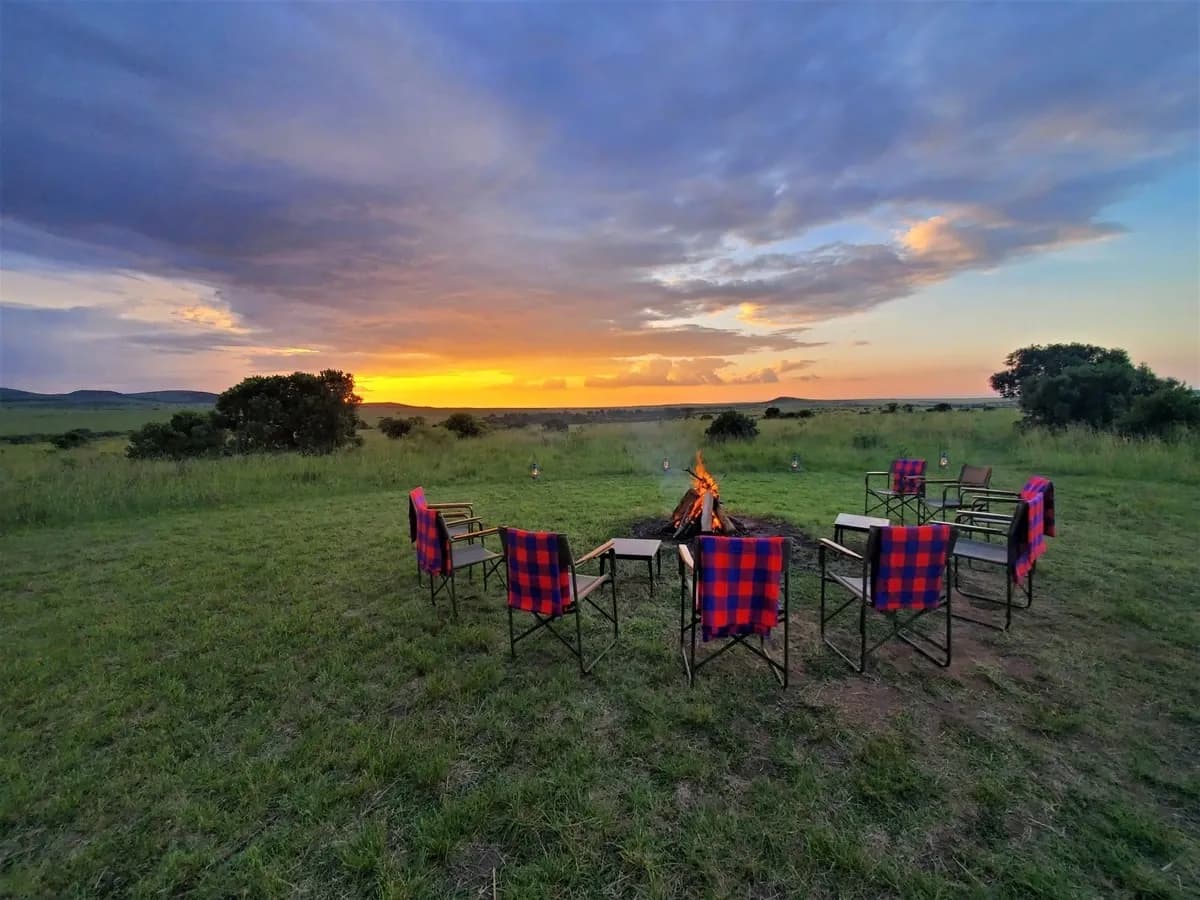
  6. EveningA fire, dinner, and the sounds of the park at night.

Good to know

Heat and dust

The dry months are dusty, and midday is hot. Plan the long rests into the day, not around it.

Tsetse flies

Found in some wooded areas. Their bite is sharp, and dark blue and black clothing seems to attract them. Light, neutral colours are better.

Distances

The river loops are close to the gates, but the south is a long drive. We pick one end of the park for each day.

Who it suits

Who it suits

Honeymoon

A quieter start before the bigger parks. Choose a camp on the edge for walks and a night drive, and give yourselves a day on the river.

Honeymoon safaris →

Family

A good first safari for children. The distances from Arusha are short, and in the dry season the animals are easy to find along the river.

Family safaris →

Friends

A lively first stop that is easy to share. A full vehicle, a picnic by the river and a night drive for those who want one.

Friends safaris →

Routes through Tarangire

Tarangire: what people ask us first

When is the best time to visit Tarangire?

June to October, when the river draws the herds. July to October is usually the best. The green months, November to May, are quieter and good for birds.

How many nights do we need?

Two at the least, three if you would like walks and a night drive.

Can we do walking safaris and night drives?

Mostly from camps on the park’s edges and in neighbouring wildlife management areas, and from a few camps inside. It depends on the camp, so tell us what you would like and we will place you accordingly.

Is Tarangire as good as the Serengeti?

It is different. The Serengeti has scale and the migration. Tarangire has elephants, baobabs and quiet in the dry season, and it is much closer to Arusha. Most guests do both.

Are there many tsetse flies?

In some wooded areas, yes. The bite is sharp, so we advise light, neutral clothing, and your guide will pick routes with that in mind.

Tell us your month. We will tell you where the elephants usually are.

Send us your dates and who is coming. Goodluck will come back with a route, and the reasons behind every camp on it.

Begin the conversation

+255 753 744 283 · hello@easguides.travel

Your trip shortlist is empty